How Land You Already Own Can Become Your Down Payment in Florida
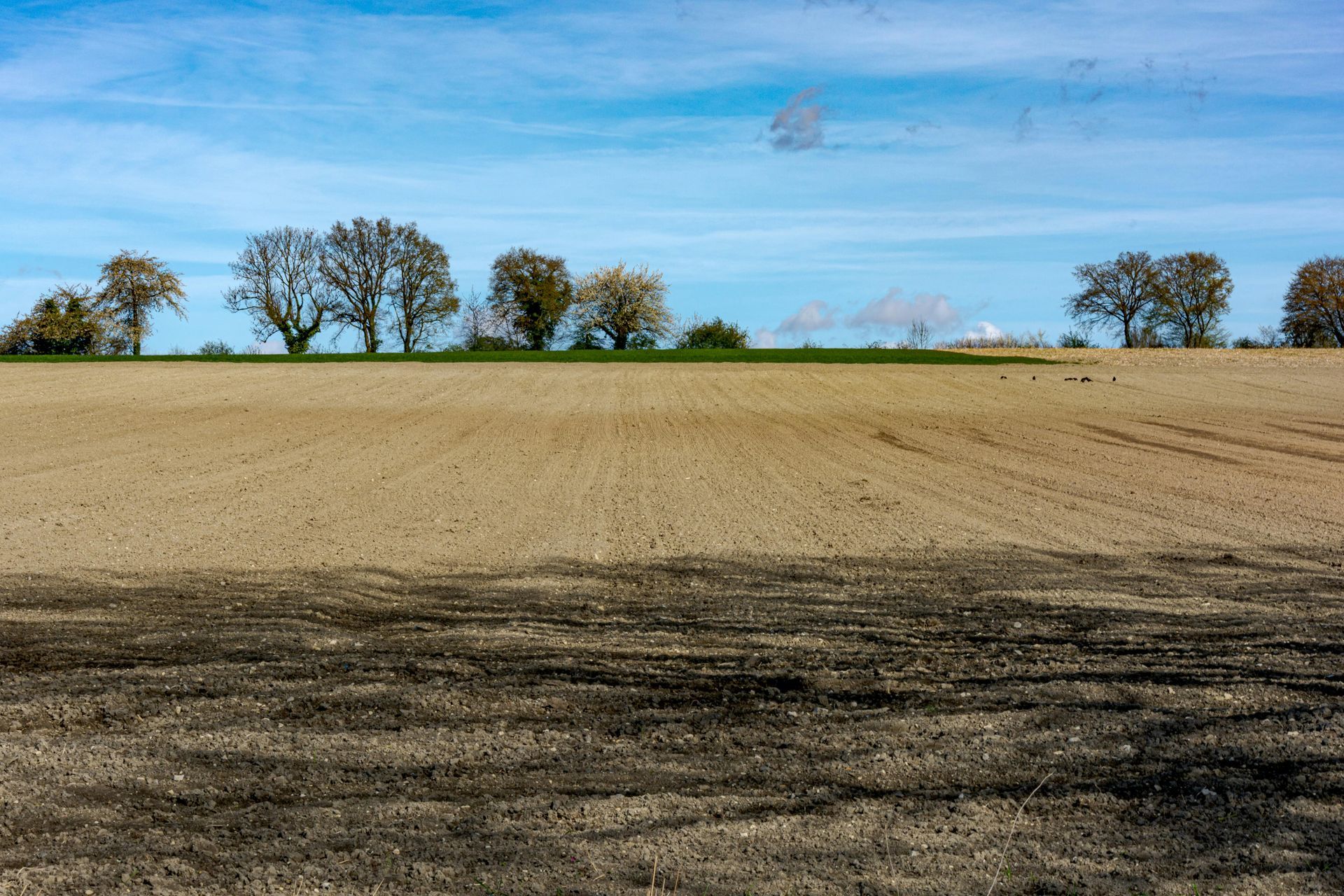
If you already own a piece of land in Florida, you may be sitting on more financial opportunity than you realize. Many people assume that building a home requires a hefty cash down payment saved up separately from everything else. But if you purchased land outright, or you're still paying it off and have built up equity, that land can often be used as your down payment on a construction loan. Bob Fabian, a mortgage originator who works with borrowers across Florida, helps clients understand exactly how this process works and whether it makes sense for their situation.
What It Means to Use Land as a Down Payment
Using land as a down payment simply means that the value of the land you own is applied toward the equity requirement of your new construction loan, rather than requiring a separate cash payment out of pocket. Lenders look at the current appraised value of the land, compare it against the total loan amount needed for the home construction project, and determine how much of that value can be counted as your contribution to the deal.
For example, if your land has a market value of $80,000 and you own it outright, that equity may cover a significant chunk, or even all, of the down payment requirement most lenders expect. Bob Fabian often walks borrowers through this exact scenario, showing them how land equity changes the math on what they need to bring to the table in cash.
Land Equity vs. Land Ownership
There's an important distinction between owning land outright and having equity in land you're still financing. If you own the land free and clear, its full appraised value can typically be used toward your down payment. If you still owe money on the land, only the difference between the appraised value and what you owe, your equity, counts toward the loan.
This is one of the first things Bob Fabian clarifies with clients, because it directly affects how much they'll need to qualify for financing and what their total loan amount will look like once the construction phase begins.
How Appraised Value Plays Into the Process
The appraised value of your land is central to this entire process. Lenders won't simply take your word, or the purchase price you paid years ago, as the current worth of the property. Instead, they order a fresh appraisal to establish the land's current appraised value based on today's market conditions.
This appraisal becomes the foundation for calculating how much equity you can use. If land values in your area have gone up since you purchased it, that's good news, since your equity may be higher than expected. Bob Fabian recommends borrowers get an appraisal early in the process so there are no surprises about how much of the down payment their land will actually cover.
Single-Close Construction Loans and Why They Matter
One of the most efficient ways to finance a build using land equity is through a single-close construction loan, sometimes called a one-time close construction loan. Instead of financing the land purchase, the construction project, and the final mortgage as three separate transactions, everything is rolled into one loan with one closing.
This matters because multiple closings mean multiple sets of closing costs, multiple sets of documents, and more opportunities for something to go wrong between phases. With a single-close option, borrowers move from breaking ground to a finished home without having to requalify or pay closing costs twice. Bob Fabian frequently recommends this structure to Florida clients building on land they already own, since it simplifies the entire process from start to finish.
What Lenders Look at Beyond the Land
While land equity can cover part or all of your down payment, most lenders still evaluate the full financial picture before approving a construction loan. This includes your income, your debt-to-income ratio, your credit profile, and the overall cost of the construction project itself.
Land equity reduces how much cash you need upfront, but it doesn't replace the other qualification requirements. Borrowers still need to show they can afford the mortgage loan payments once the home is finished, and lenders want confidence that the project itself, including the contractor and construction plans, is realistic and properly budgeted. Bob Fabian helps clients put together the full package lenders want to see, so the land equity advantage isn't undermined by gaps elsewhere in the application.
Land as Collateral, Not Just a Discount
It's worth understanding that land isn't just a discount applied to your loan, it also often serves as collateral for the construction loan itself. This gives the lender security throughout the construction phase, since the land and the eventual finished home back the loan amount.
Because the land functions as collateral, its condition and marketability matter too. Land that's difficult to build on, lacks utilities, or sits in a flood zone may affect how much value a lender is willing to assign to it, even if the appraised value on paper looks solid. This is another area where working with an experienced originator pays off, since Bob Fabian can flag potential issues with a piece of property before they become obstacles later in underwriting.
Common Scenarios Florida Borrowers Run Into
Every borrower's situation looks a little different, but a few scenarios come up often. Some people bought land years ago as an investment and are only now ready to build their dream home. Others inherited land and are exploring what it's worth toward a construction project. Still others are already making payments on a land loan and want to know how much equity they've built so far.
In each case, the answer starts with a current appraisal and a conversation about goals, budget, and timeline. Bob Fabian works through these scenarios regularly with Florida borrowers, helping them see the full picture of what their land is worth today and how that translates into buying power for a new home.

Risks to Understand Before Moving Forward
Using land equity as a down payment isn't without risk. If the construction project runs over budget, or if the appraised value of the finished home comes in lower than projected, borrowers can end up owing more than expected relative to the property's true value. There's also the reality that construction loans sometimes carry higher interest rates than a standard mortgage on an existing home, at least during the construction phase, before converting to permanent financing.
Borrowers should also understand that if something goes wrong during the build, and the loan isn't structured carefully, they could risk losing some of the equity they built into the deal by purchasing the land in the first place. This is why having a knowledgeable mortgage originator involved from the beginning matters. Bob Fabian helps borrowers weigh these risks honestly, rather than only focusing on the benefits, so there are no surprises once construction is underway.
Steps to Get Started
If you own land in Florida and are considering using it toward a new build, the first step is gathering your documents, proof of ownership, any existing loan balance, and information about the property itself. From there, a lender can order an appraisal to establish current market value and walk you through how much of that value applies toward your down payment.
Bob Fabian typically starts with a conversation about your goals for the property, whether that's a primary residence, a second home, or an investment build, before diving into numbers. This helps determine the right loan structure, whether that's a single-close construction loan or another financing path suited to your situation.
Final Thoughts
Land you already own can be one of the most valuable tools available when financing a new construction project in Florida. Rather than saving up a separate cash down payment, your land's equity can do much of that work for you, provided the numbers, the appraisal, and the loan structure all line up correctly. Working with a mortgage originator who understands construction financing makes a real difference in how smoothly that process goes. Bob Fabian has helped numerous Florida borrowers turn land they already own into the foundation, literally and financially, for the home they've been dreaming of.