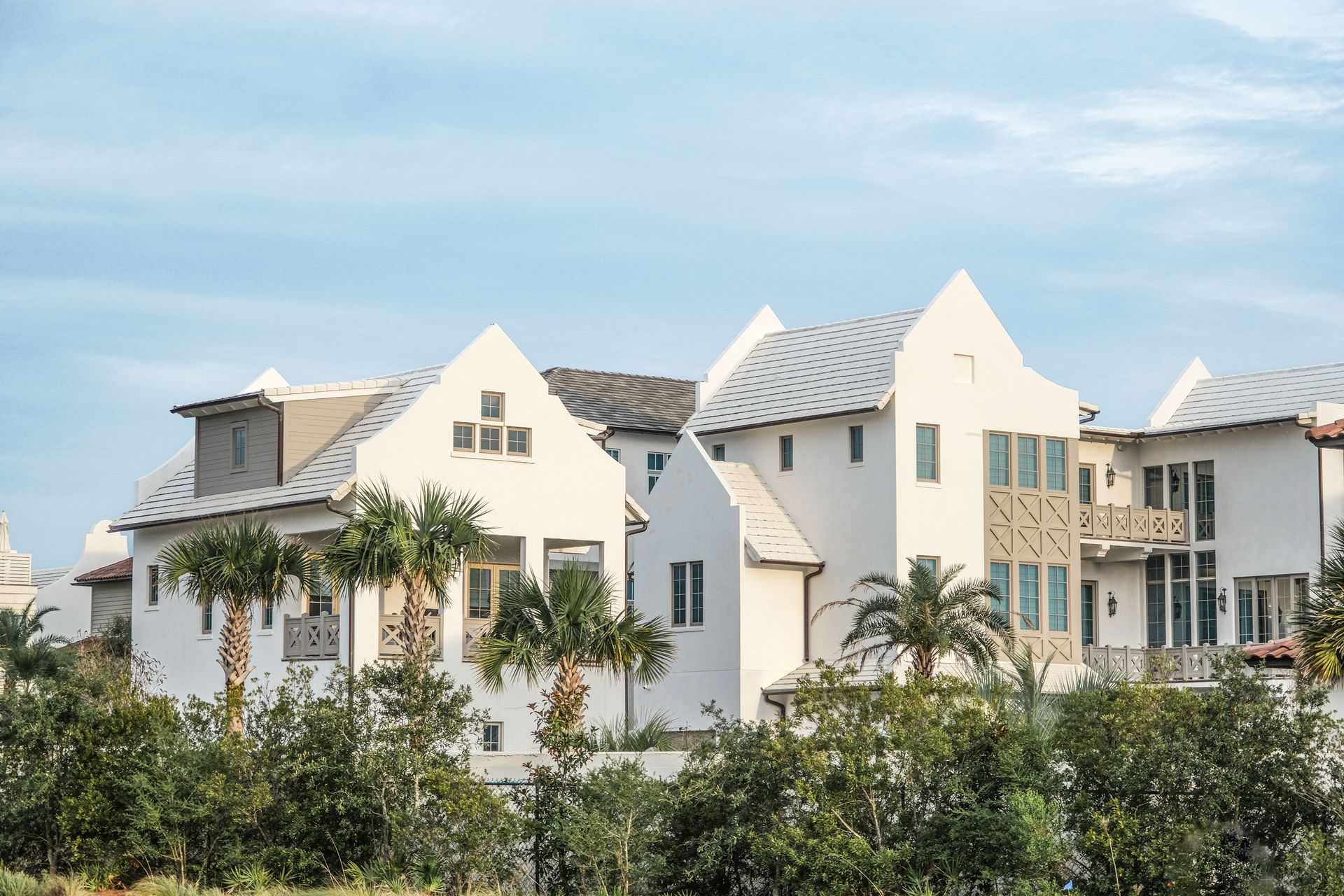
The Single-Close Construction Loan Myths Costing South Carolina Buyers Money
I've seen deals fall apart over smaller gaps than this.
Every week I talk to someone who wants to build in South Carolina — a barndominium, a manufactured home on land they already own, a fully custom home on a lot they've been sitting on for years — and every week I hear the same wrong information about how construction loans actually work.
Most of it isn't malicious. It's just outdated, or it came from someone who closed one construction loan five years ago and assumed the process never changes. But acting on bad information is how buyers lose time, lose money, or walk away from a build they were fully capable of doing.
Let's clear these up one at a time.
Myth 1: You Need Two Separate Closings
This is the biggest one, and it's the one that scares people off before they even call a lender.
The old way of doing construction financing did involve two separate loans and two separate closings — a construction-only loan to build, then a second closing into a traditional mortgage once the house was done. Two sets of closing costs. Two credit pulls. Two chances for something to go wrong between phase one and phase two.
A single-close construction loan — also called construction-to-permanent — does it in one closing. You close once, before construction begins, and the loan converts automatically into your permanent mortgage when the home is finished. No second application. No second underwriting process. No second set of closing costs.
That's the whole point of "single close." One closing instead of two.
Myth 2: Construction Loans Are Only for Builders or Developers
I hear this one from regular buyers who assume they need to be in the industry to qualify. Not true.
These loans exist for the person buying land and building their primary residence just as much as they exist for professional builders and developers running construction projects for a living. If you're a South Carolina buyer who found the land and picked a builder, you're exactly who this financing was built for.

Myth 3: You Need a Massive Down Payment
Construction loans typically require a 10-20% down payment — not the 30-40% a lot of buyers assume going in. And here's the part most people don't know: land equity can sometimes count toward that down payment.
If you already own the land, or you've built up equity in an existing property, some lenders will let that equity work in your favor instead of requiring all cash out of pocket. Down payment requirements do vary based on your financial profile, your credit scores, and the specifics of the project — but "massive" is not the standard.
Myth 4: You're Paying Two Mortgages During Construction
This is the myth that causes the most unnecessary panic, and I get why. It sounds logical — you're paying for the land, and now you're paying to build on it, so surely that's two payments stacking on top of each other for months.
It's not how it works. During the construction phase, you generally make interest-only payments on the amount that's actually been drawn so far — not the full loan amount, and not a second mortgage payment on top of it. You are not carrying two full mortgage payments at once.
Myth 5: Your Rate Isn't Locked Until the Home Is Finished
Some buyers assume they're floating exposed to mortgage rates for the entire build and will just find out what they owe when it's over. That's backwards from why a lot of people choose to build in the first place.
With a single-close construction loan, many programs let you lock in your mortgage rate before construction even starts, and that rate carries through into your permanent mortgage loan once the loan converts. You're not gambling on where rates land the day your home is complete — you know your number going in.
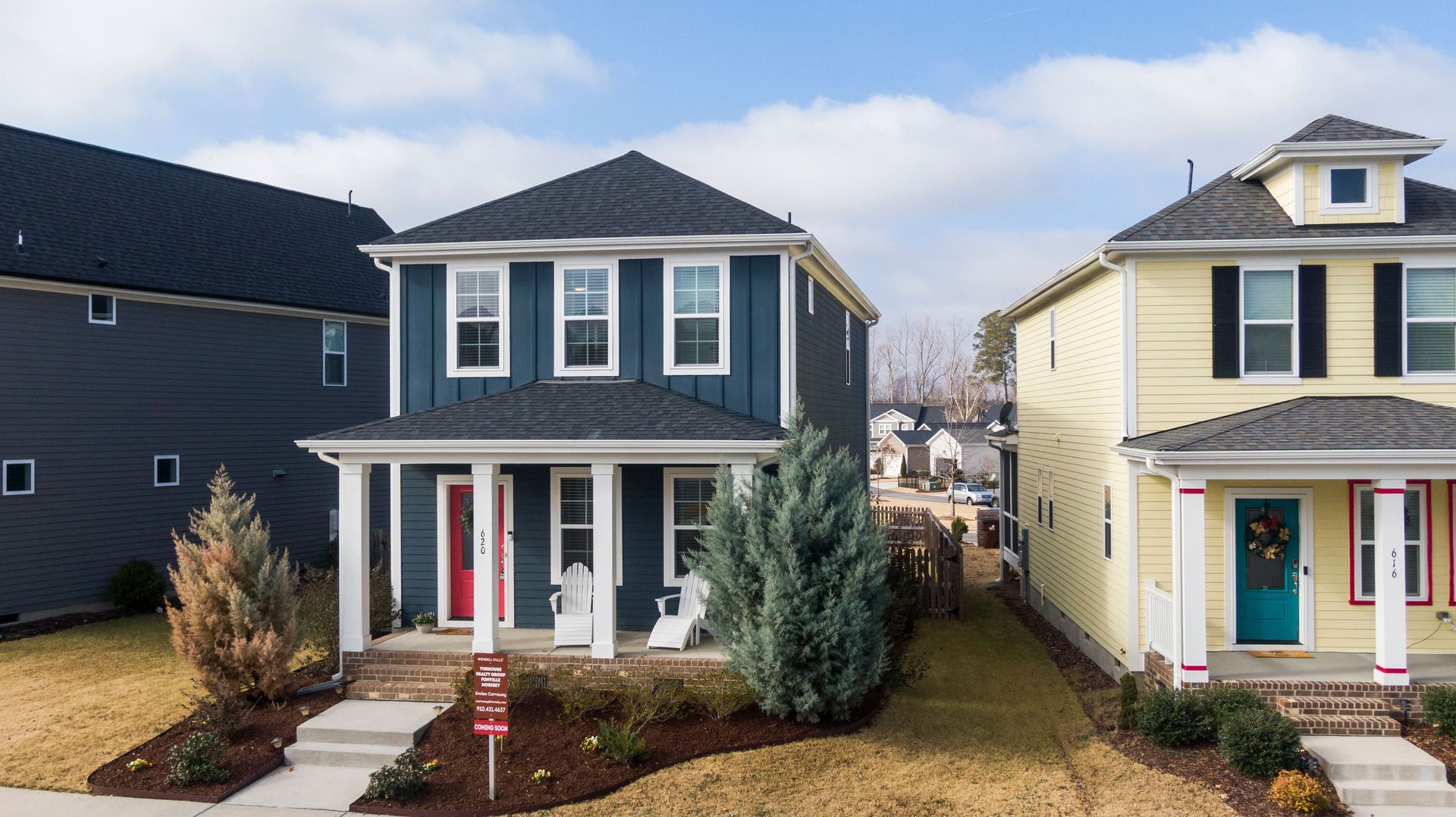
Myth 6: Closing Takes Months
I've had buyers assume they need to plan for a 60 or 90-day closing timeline before they can even break ground. Approval timelines can range anywhere from 15 to 90 days depending on the lender, the project, and how prepared the file is — but some construction loans can close in as little as 15 days when the documentation is clean and the builder has a track record.
The range exists. The myth is that it's always the long end of that range.
Myth 7: Land Equity Doesn't Count for Anything
I brought this up under down payments, but it deserves its own section because so many South Carolina buyers sit on land for years assuming it's just... land. Not usable. Not leverage.
If you own the property free and clear, or you've paid down enough that there's real equity there, that value can often be applied toward your down payment requirement on the construction loan. That's money you don't have to pull from savings, and it's one of the most underused strategies I see in the Palmetto State — buyers who already have the hardest part solved and don't realize it.
Myth 8: Qualifying Is Exactly Like a Traditional Mortgage
This isn't really a myth so much as a misunderstanding — and it goes the other direction from most of the ones above. Qualification standards for single-close construction loans can actually be stricter than a standard mortgage loan approval.
Lenders aren't just looking at your credit report, your income, and your debt. They're also looking at the builder — their experience, their track record, and whether the construction plans and draw schedules make sense. Approval typically requires both your financial documentation and the construction details to hold up. That's not a red flag. It's the lender protecting the same investment you're making.
So, Is a Single-Close Loan Right for You?
Here's what I want you to take from this. Construction financing in South Carolina is more accessible, more streamlined, and less risky than most of what circulates online or gets passed around at the dinner table. One closing instead of two. Interest-only payments during the build. A rate you can lock in before the first shovel hits dirt. Land equity that can actually do something for you.
None of that means every project qualifies, or every lender structures it the same way. It means the myths keeping people on the sidelines usually aren't the real obstacle — the right lender and the right builder are what actually determine whether this works for you.
If you own land, or you've found a builder and you're trying to figure out what's fact and what's noise, let's talk it through. Reply and I'll walk you through what your numbers would actually look like.