The Best Time to Start Building Your Home Isn’t Spring. It’s Right Now.
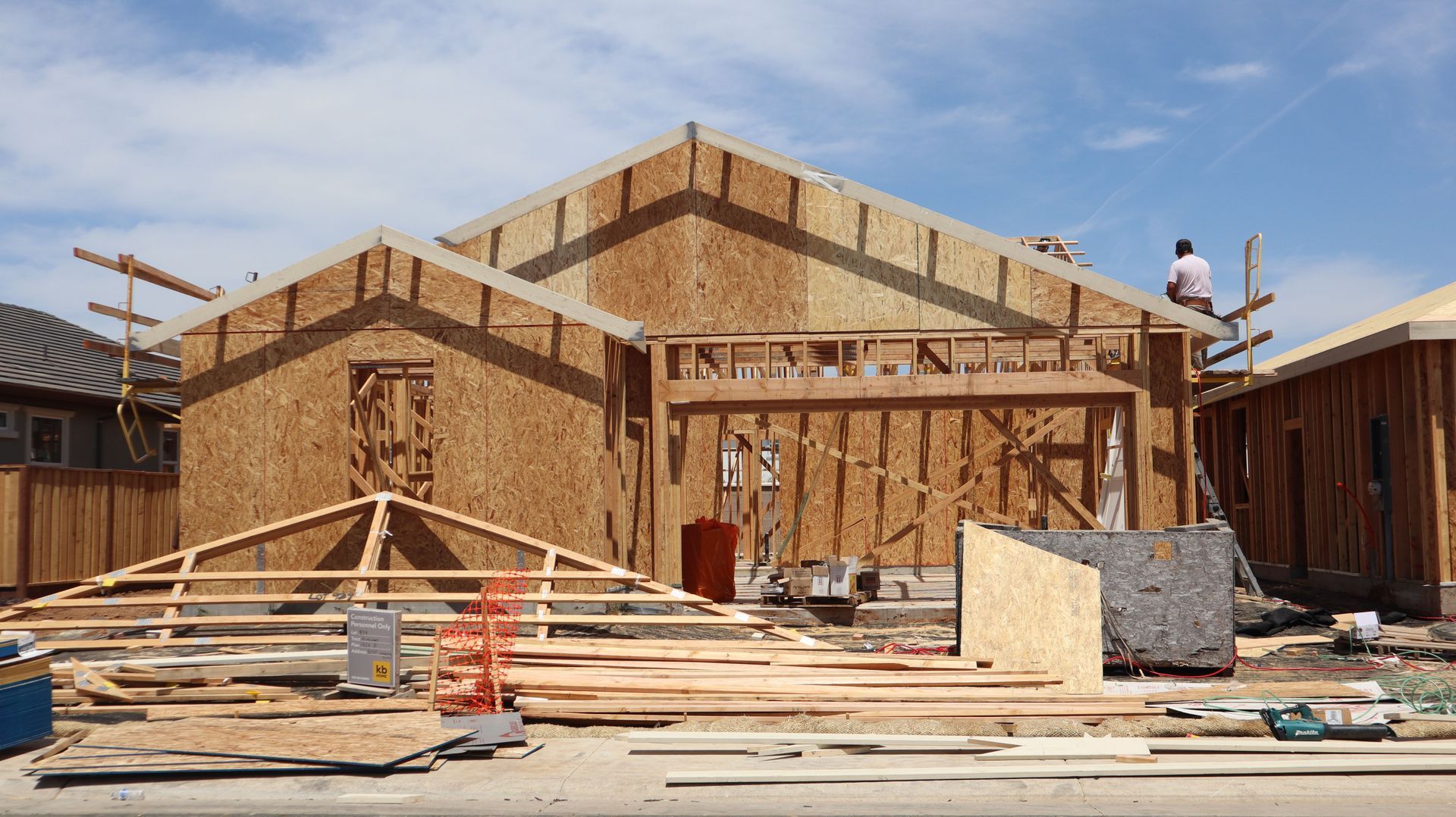
Most people picture building a home as a spring project. Warm weather, fresh dirt, a foundation going in.
They’re half right. Spring is when the building starts. But the buyers who break ground in spring didn’t start in spring. They started in the fall.
Bob Fabian, a mortgage originator with Sistar Mortgage who specializes in construction financing, sees the same pattern every year. The people who plan ahead in October and November are moving dirt while everyone else is just making their first phone calls.
If building a home is on your list for next year, this is the season that decides whether it actually happens.
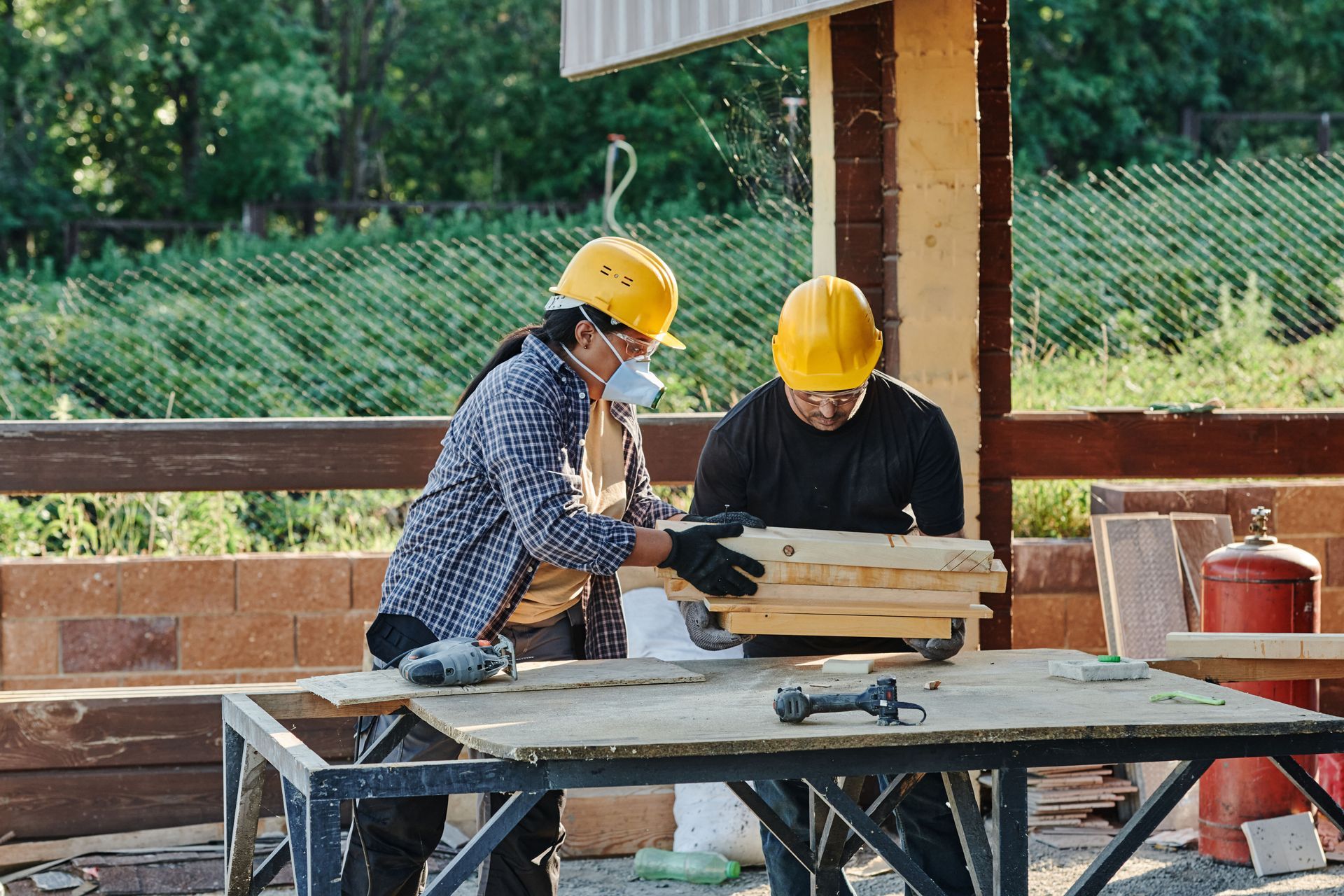
Spring Is When You Build. Fall Is When You Get Ready.
Building a home isn’t one decision. It’s a series of them, and most of them have to be made before a single shovel hits the ground.
You need land. You need a builder. You need plans that fit your budget. You need financing approved and ready to go. Depending on where you’re building, you may also need surveys, permits, and approvals. None of that requires good weather. All of it takes time.
That’s why the off season matters. When you use the fall and winter to get every piece in place, you’re ready to go the moment conditions allow. When you wait until spring to start, you spend the best building months doing paperwork.
What Has to Happen Before You Break Ground
Here’s what a typical pre construction runway looks like.
First, get clear on your budget. Not a guess. A real number based on what you qualify for and what you’re comfortable paying.
Second, secure your land, or confirm the land you already own works for what you want to build.
Third, choose your builder and finalize your plans and specs.
Fourth, get your construction financing in place so your builder can start on schedule.
Bob Fabian’s advice is to start with step one, because everything else depends on it. Plans drawn without a firm budget tend to get redrawn. That costs time, and sometimes money.

Why Construction Financing Comes First
A construction loan isn’t the same as a regular mortgage. The lender is financing a home that doesn’t exist yet, so the process looks different.
The appraisal is typically based on your plans and specifications rather than a finished house. Your builder usually needs to be reviewed and approved. Funds are generally released in stages as construction progresses instead of all at once at closing.
That’s exactly why you want a lender involved early. When Bob Fabian and the team at Sistar Mortgage know your numbers up front, you walk into builder conversations knowing exactly what you can spend. No surprises. No falling in love with a floor plan you can’t finance.
Getting pre-approved in the fall also gives you time to clean up anything that needs attention, like documentation, credit questions, or down payment planning, without the pressure of a builder waiting on you.
The Off-Season Advantage
Planning in the fall and winter has some real perks. Builders are typically less rushed. You get more time in meetings, more attention to detail, and fewer decisions made on the fly.
Material pricing also tends to follow the seasons. Fall usually brings a seasonal slowdown in lumber buying along with some price softness. Nobody can promise where prices go next. But a calm market is a good environment for planning, and it’s a lot better than scrambling during the spring rush.
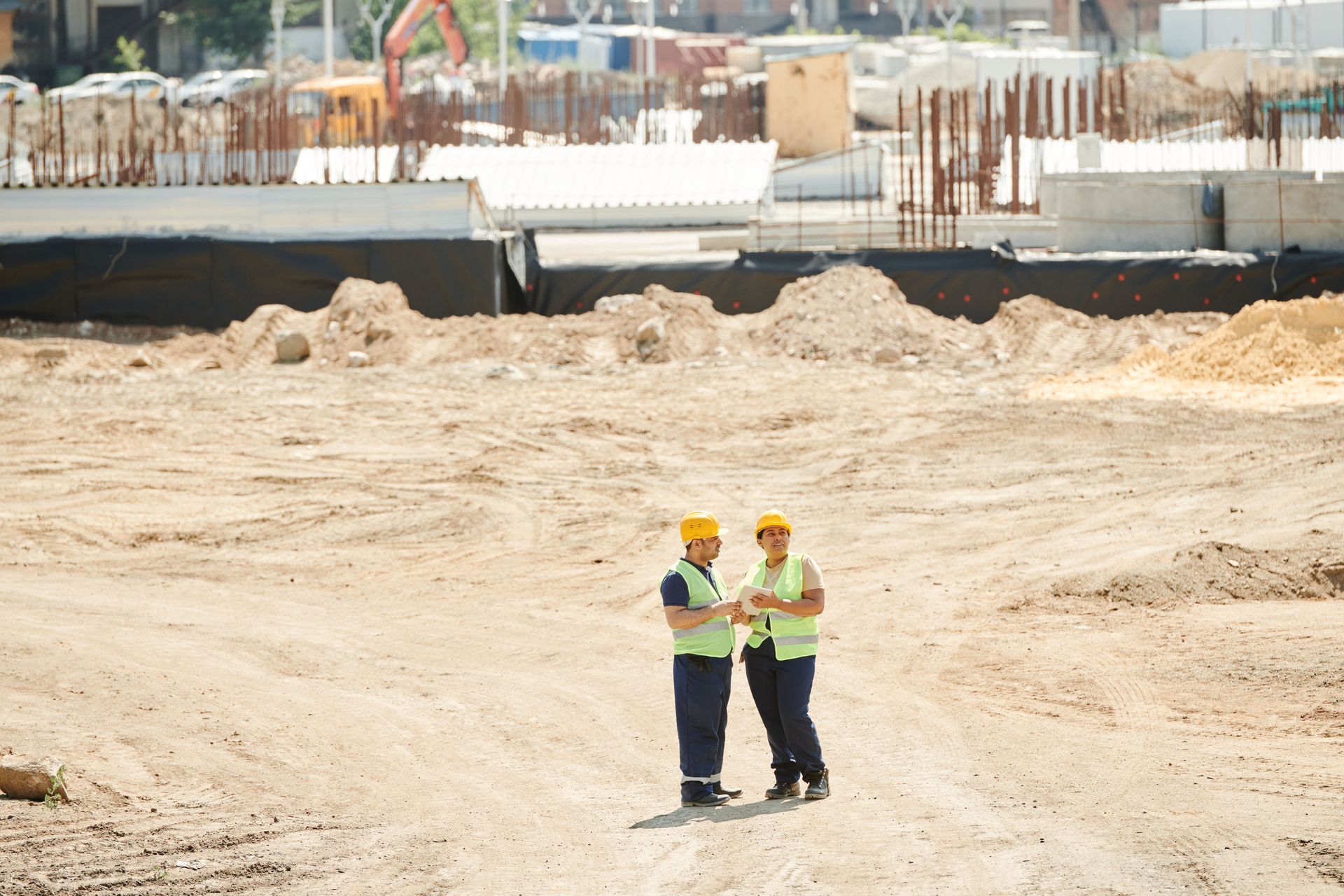
Already Own Land? You May Be Further Along Than You Think
If you already own your lot, you may have a head start on more than location. Lenders may allow the equity in your land to count toward your required down payment. Equity is the portion of the property you truly own after subtracting any remaining loan balances or liens. For many buyers, that means less cash needed upfront and more money left for savings, upgrades, or unexpected costs during the build.
Every lender has its own guidelines. Most will want a current appraisal, clear title, and documentation that supports the land’s value. Bob Fabian can walk you through how your land fits into the financing picture, and fall is a great time to find out.
Traditional Home, or Manufactured Home on Land
Building doesn’t have to mean one specific kind of house. Sistar Mortgage offers financing options for traditional site built homes, and manufactured homes on land. Each one has its own considerations, so it pays to know which direction you’re heading before you finalize plans.
If you’re still deciding, the off season is the perfect time to compare options side by side, without a deadline breathing down your neck.

Your Winter Game Plan
If you want to break ground in spring, here’s the simple version. This fall, talk to Bob Fabian and get your budget defined. Confirm your land situation, whether that’s buying a lot or using land you already own.
Over the winter, choose your builder, finalize plans, and line up your financing. By early spring, you’re ready to go. While other buyers are just starting to ask questions, your builder is ordering materials.
Start the Conversation Now
The perfect house isn’t always on the market. Sometimes you have to build it. And the people who build it next year are the ones who start planning this year.
Bob Fabian is a mortgage originator with Sistar Mortgage, a nationwide lender specializing in construction financing. He doesn’t build the home. He helps you finance it and guides you through the process from start to finish.
You find the land. You choose the builder. Bob helps take care of the rest. If building is on your list for next year, now is the time to talk. Reach out to Bob Fabian at and get your plan started.