Advantages of Building Versus Buying in WI: What Every Homebuyer Should Know

Wisconsin is a state that genuinely rewards patience and intentionality. From the lakeside communities around Oconomowoc and Pewaukee to the quiet neighborhoods spreading out from Green Bay, Appleton, and Madison, the local market here offers paths both well-worn and newly paved. For anyone wrestling with whether to build or buy, Bob Fabian has guided countless Wisconsin families through exactly this decision and the answer is rarely simple.
So let's break it down honestly: what are the real advantages of building versus buying in WI, and how do you know which path fits your situation?
Wisconsin's Housing Market Context
Before comparing options, it helps to understand where Wisconsin stands right now. Low inventory has kept pressure on the housing market for several years, and many buyers face competitive bidding in desirable suburbs and cities. The median sales price in metro areas like Milwaukee, Madison, and the Fox Cities has climbed steadily, and high demand continues driving prices upward in established neighborhoods close to employment corridors.
That dynamic matters because it shapes how you evaluate both options. In a traditional buyer's market, the scales tip one way. In Wisconsin's current environment, they tilt another.
What You're Actually Comparing
When weighing the advantages of building versus buying in WI, you're not just comparing sticker price to construction costs. You're comparing total cost, timeline, control, risk, and lifestyle fit. A move in ready existing home and a custom build each come with real tradeoffs and understanding both honestly is the only way to make a sound decision.
The Case for Buying an Existing Home
Established Neighborhoods and Mature Landscaping
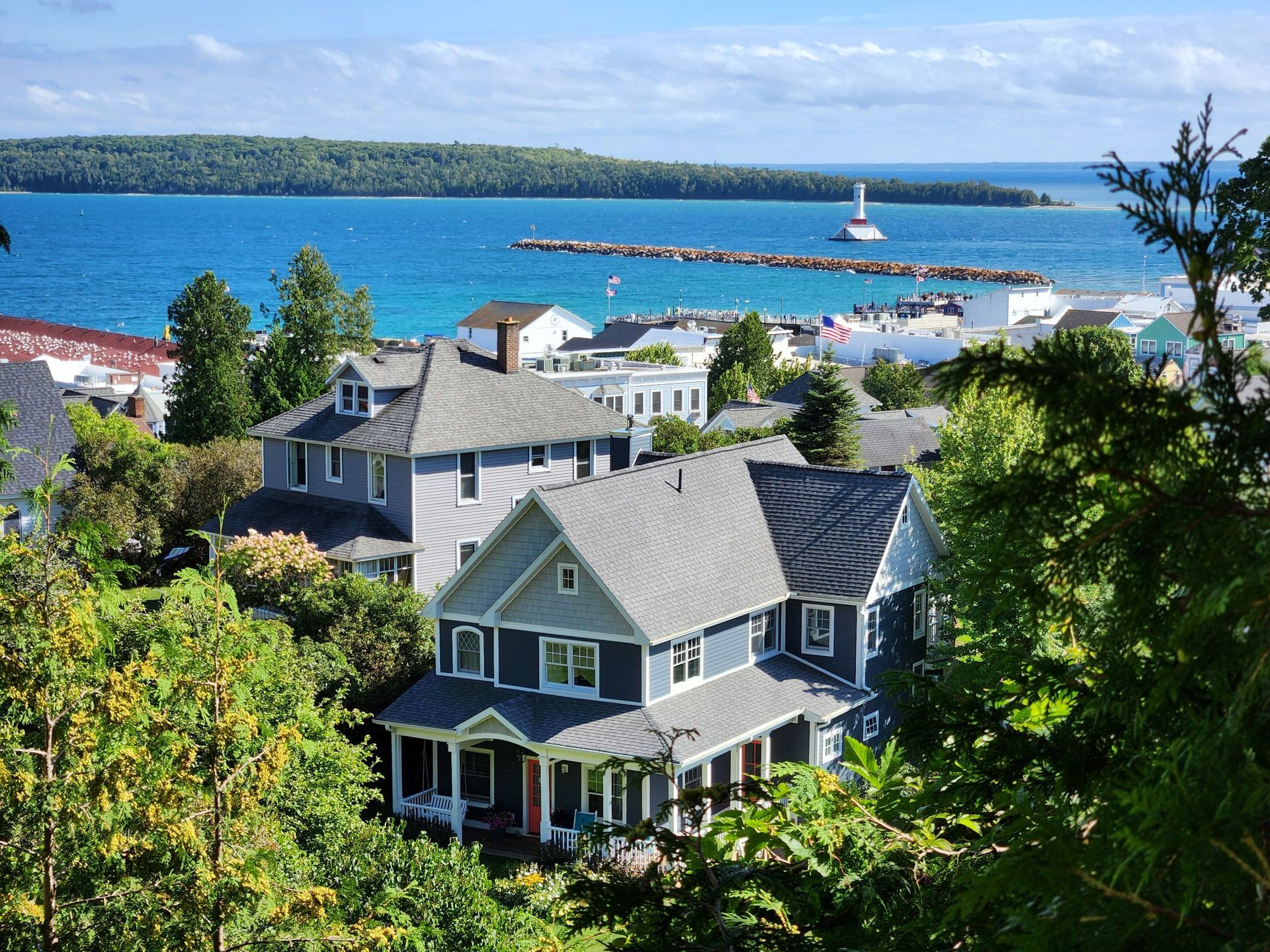
One of the most underrated aspects of buying an existing home is what surrounds it. Mature trees, mature landscaping, and decades of community character don't appear overnight. Established neighborhoods in places like Delafield, Brookfield, Whitefish Bay, or Oshkosh carry a sense of place that new developments are still earning.
For families prioritizing school districts, walkability, or proximity to lakes and parks, an existing home often puts you exactly where you want to be without waiting for new construction to catch up.
Move-In Ready Appeal
There's something to be said for a house where the work is largely done. Move in ready homes eliminate the construction process entirely. No waiting on material availability, no delays tied to labor costs or site prep. You close, you move, you live.
For buyers with firm timelines job relocations, lease expirations, school enrollment deadlines this matters enormously. A standard mortgage on an existing home also tends to move faster and with fewer complications than a construction loan, which requires a different approval structure and often a larger down payment.
Purchase Price Predictability
With an existing home, the purchase price is the number you negotiate and lock in. Renovation costs may surface later, but they're often manageable and incremental. The financial picture, from closing costs to your monthly payment, is easier to forecast.
That said, Bob Fabian consistently advises buyers to look past the median price and evaluate what they're actually getting per square foot because older homes can carry hidden costs that show up after the sale.
Hidden Costs of Older Homes to Watch For
Buying an existing home isn't without risk. Older homes particularly those built before 1978 may contain lead based paint or lead paint in surfaces that require professional remediation. Electrical systems, roofing, HVAC, and major systems in general can carry deferred maintenance that quickly escalates into tens of thousands in unexpected expenses.
Potential renovation expenses can erode the apparent value of a lower purchase price. When evaluating an older property, Bob Fabian recommends factoring in realistic renovation costs before comparing it to a new construction alternative. The initial cost advantage sometimes disappears on closer inspection.
The Case for Building a House in Wisconsin
Customization Options and Control
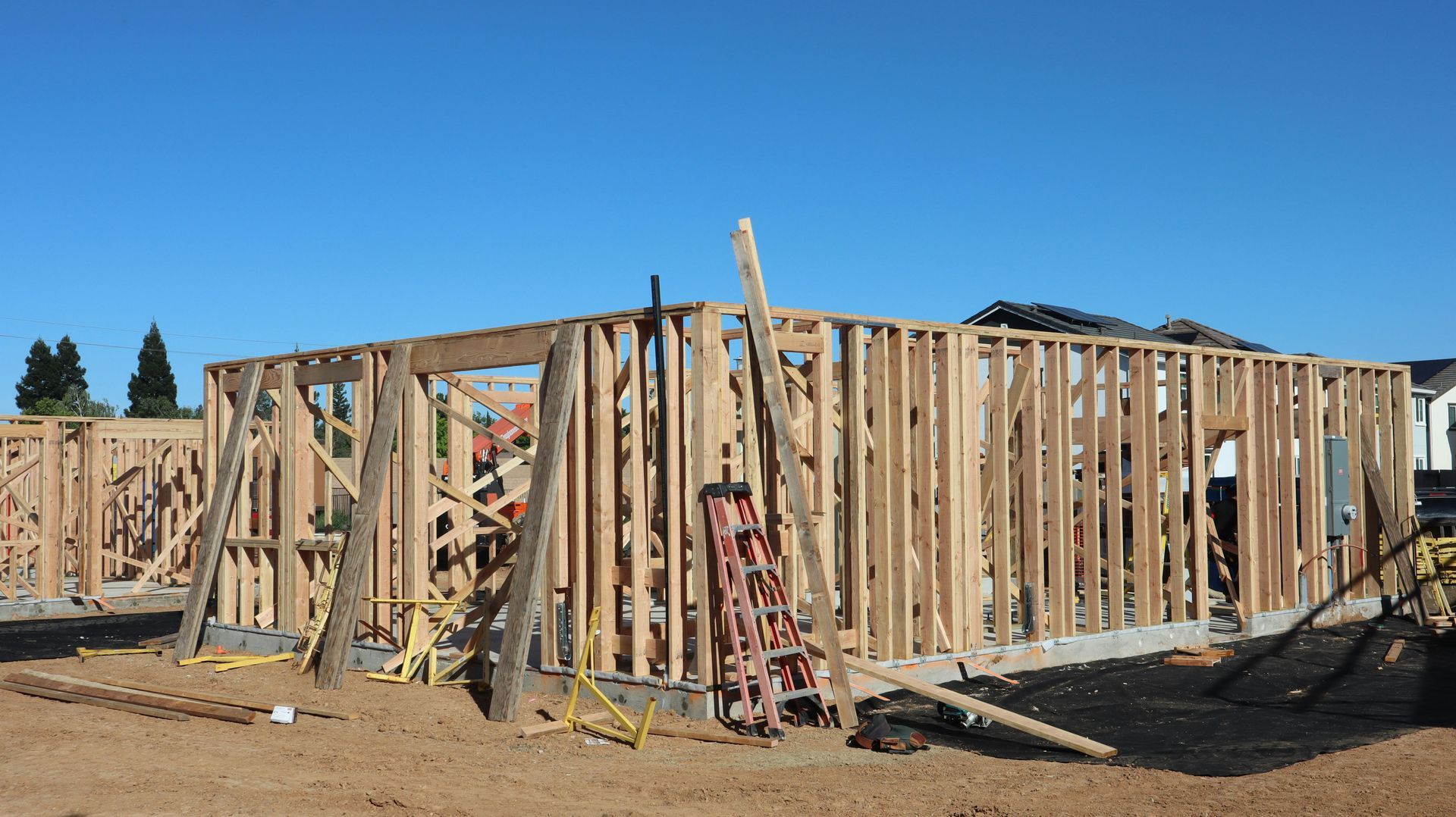
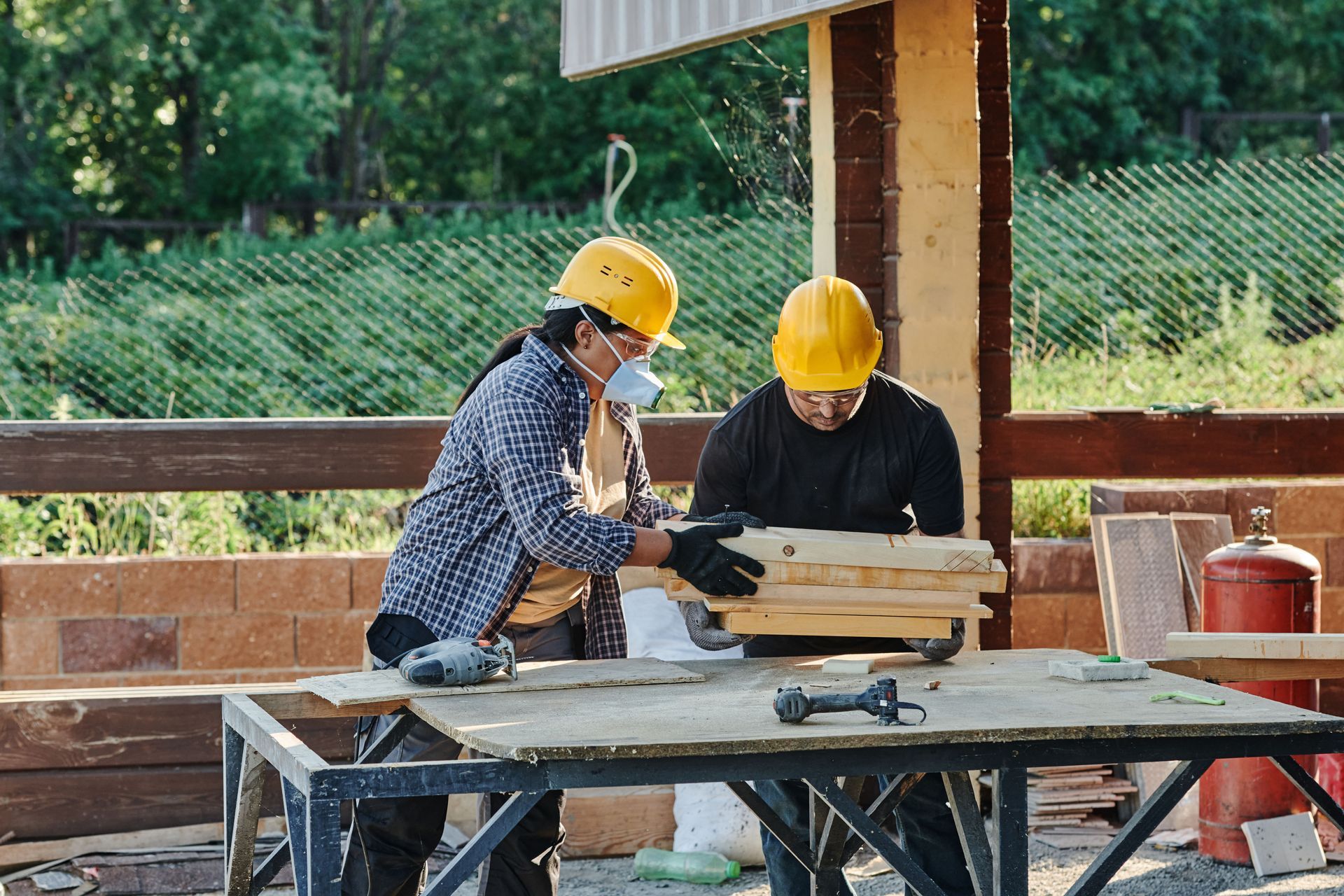
Building a house gives you more control than any other path. From floor plan design to fixture selections, from high performance windows to air sealing specifications, every decision reflects your priorities rather than a previous owner's. If you've spent years imagining a specific layout open kitchen, main floor primary suite, mudroom off the garage a custom build makes that possible in a way no existing home can match.
For Bob Fabian, this is often the factor that tips the scales for the right buyer. People who know exactly what they want, and who are willing to engage with the construction process to get it, tend to be deeply satisfied with a custom home outcome.
Energy Efficiency and Lower Utility Bills
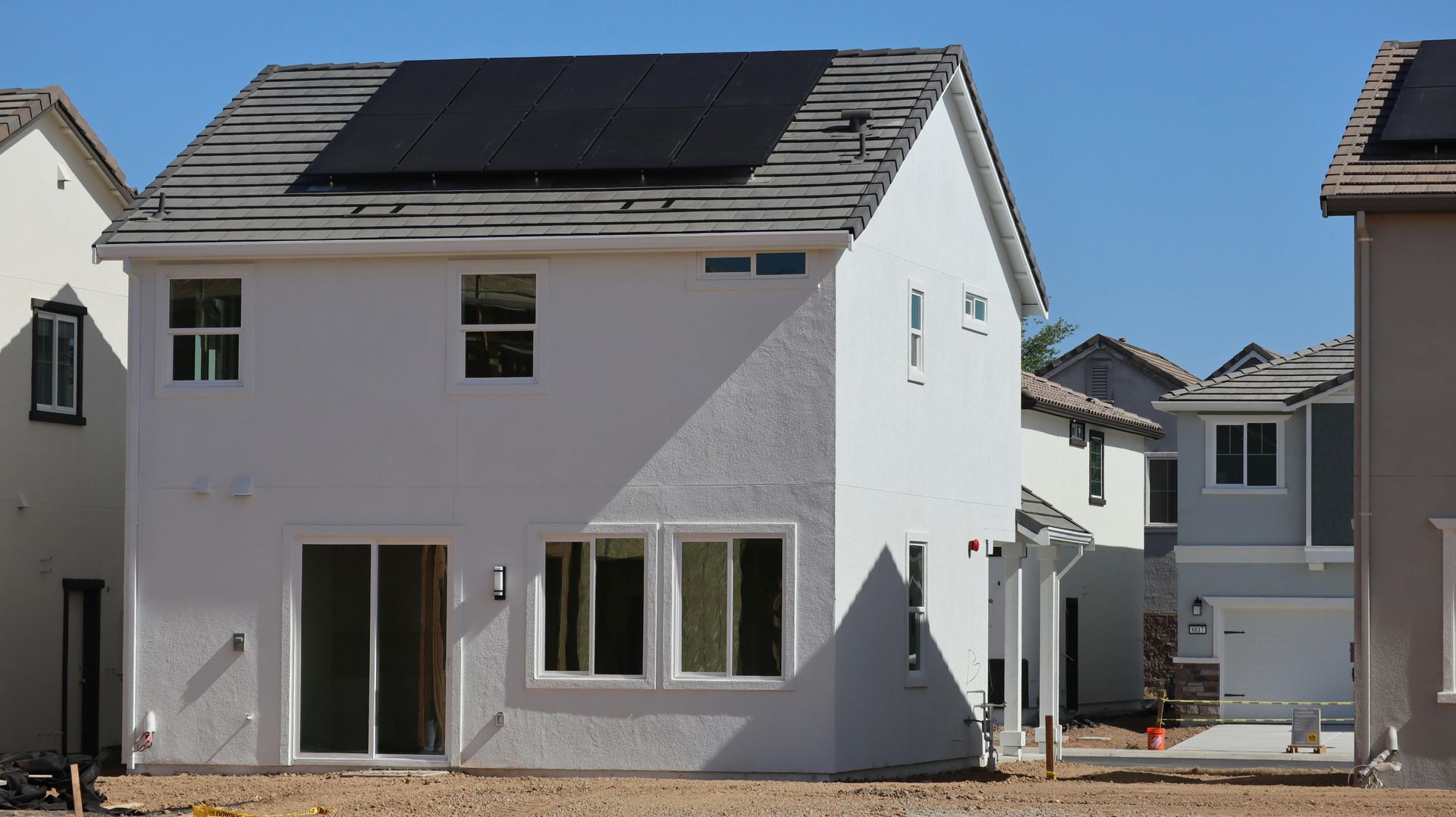
New construction built to modern code standards performs dramatically better than most older homes on energy efficiency. Modern insulation values, energy efficient construction techniques, high performance windows, and precise air sealing combine to reduce energy bills significantly over time.
The difference in utility bills between an energy efficient new house and a 1970s-era home of similar size can reach hundreds of dollars annually. Over ten years, that gap becomes a meaningful financial variable. When evaluating building versus buying, energy efficient features in new construction deserve weight in the total cost calculation not just the upfront numbers.
Builder Warranties and Modern Appliances
New construction typically comes with builder warranties covering structural elements, mechanical systems, and workmanship for defined periods. Modern appliances included in new builds are under manufacturer warranty and operating at peak efficiency. The combination means fewer surprise expenses in the first few years of ownership a meaningful contrast to the uncertainty that can follow buying an older home.
Understanding the Real Costs of Building
Construction Loan vs. Traditional Mortgages
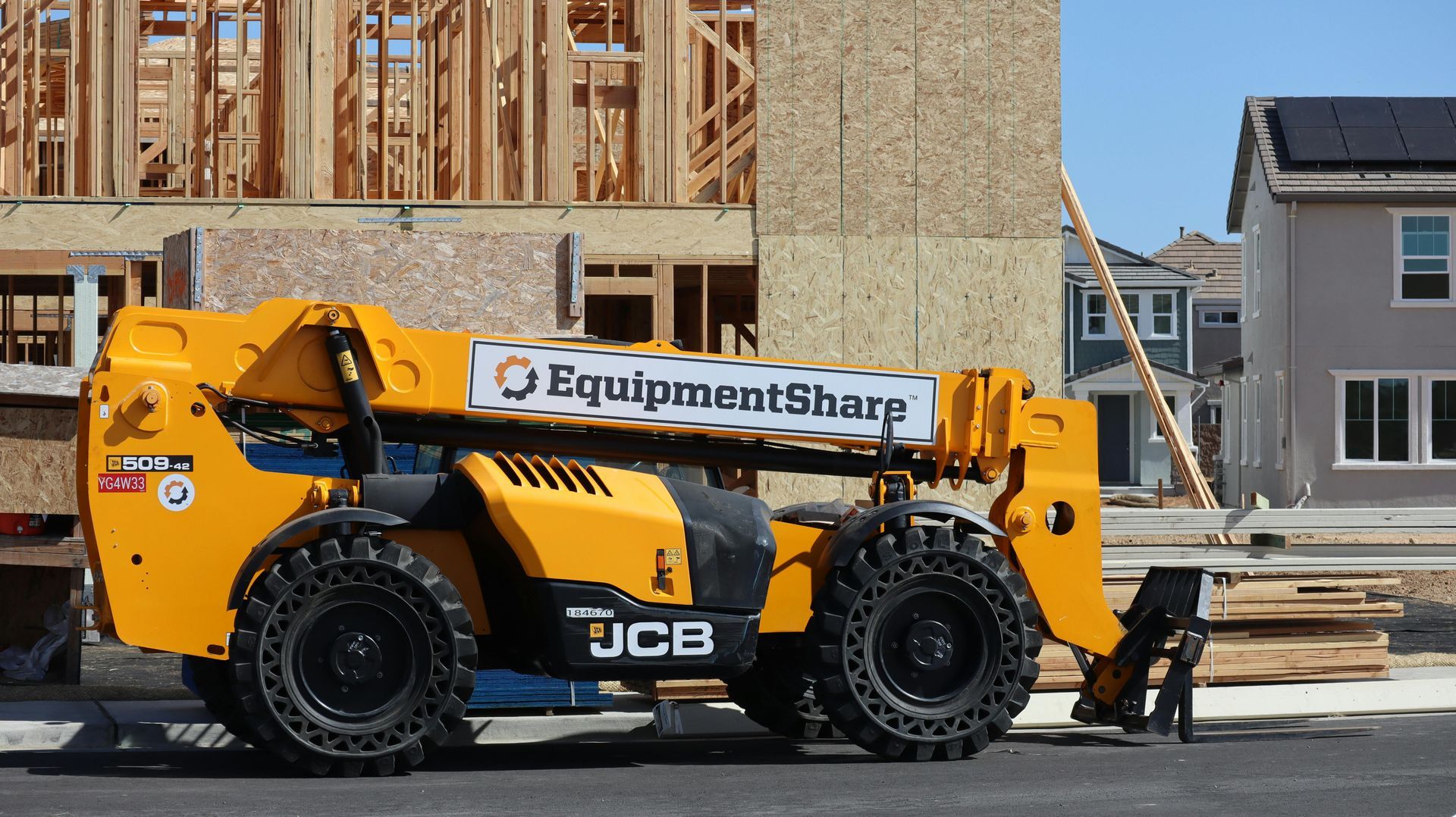
Financing a new build works differently than a standard mortgage. A construction loan funds the project in phases as work is completed, then typically converts to a permanent mortgage at completion. Interest rates on construction loans may vary, and the process involves more documentation and active management than traditional mortgages. Buyers need to understand this before committing, as cash flow during the construction process is more complex.
Key Factors to Weigh Before You Decide
No single answer fits every buyer. A few key factors consistently shape which path makes more sense:
Your timeline matters. If you need to move in within a few months, building a house isn't realistic. If you have twelve to eighteen months of flexibility, home construction opens up. The construction process in Wisconsin can also be affected by seasonal realities winter weather affects site prep, concrete pours, and framing schedules, so starting and completion dates should account for that honestly.
Your priorities matter. If location in a specific established neighborhood is non-negotiable, buying an existing home is often the only path. If the floor plan and energy performance of the home matter more than the specific block, building gives you options. Many buyers find they've been compromising on floor plan for years in existing homes and don't realize how much a purpose-built layout would change their daily life.
Your financial picture matters. Construction costs, a construction loan structure, and the land acquisition process require a different financial posture than a conventional purchase. Understanding your down payment capacity and cash flow tolerance is essential. Interest rates and their effect on monthly carrying costs apply equally to both paths, but the timing exposure during a construction loan is longer which means rate movement during the build matters too.
Your appetite for the process matters. Home building is rewarding but demands active engagement. A custom build requires decisions, patience, and a willingness to navigate the construction process alongside your builder. Buyers who stay engaged, communicate clearly, and review contracts at each stage are far more likely to feel the project stays on track and on budget. Those who hand it off entirely and check back at completion tend to encounter more friction.
This is paragraph text. Click it or hit the Manage Text button to change the font, color, size, format, and more. To set up site-wide paragraph and title styles, go to Site Theme.
The Bottom Line
The advantages of building versus buying in WI are real but so are the tradeoffs on both sides. New construction delivers energy efficiency, modern systems, customization options, and builder warranties that an existing home simply can't match. At the same time, established neighborhoods, mature landscaping, move-in readiness, and purchase price predictability make buying an existing home the right answer for many Wisconsin families.
What makes the difference is working with someone who knows how to evaluate your specific situation against the local market. Bob Fabian brings that combination of market knowledge and honest counsel to every client conversation helping Wisconsin buyers and builders make the decision that actually fits their life, not just the one that looks right on paper.
If you're weighing your options in Wisconsin's current market, reach out to Bob Fabian directly. The right answer starts with the right conversation.