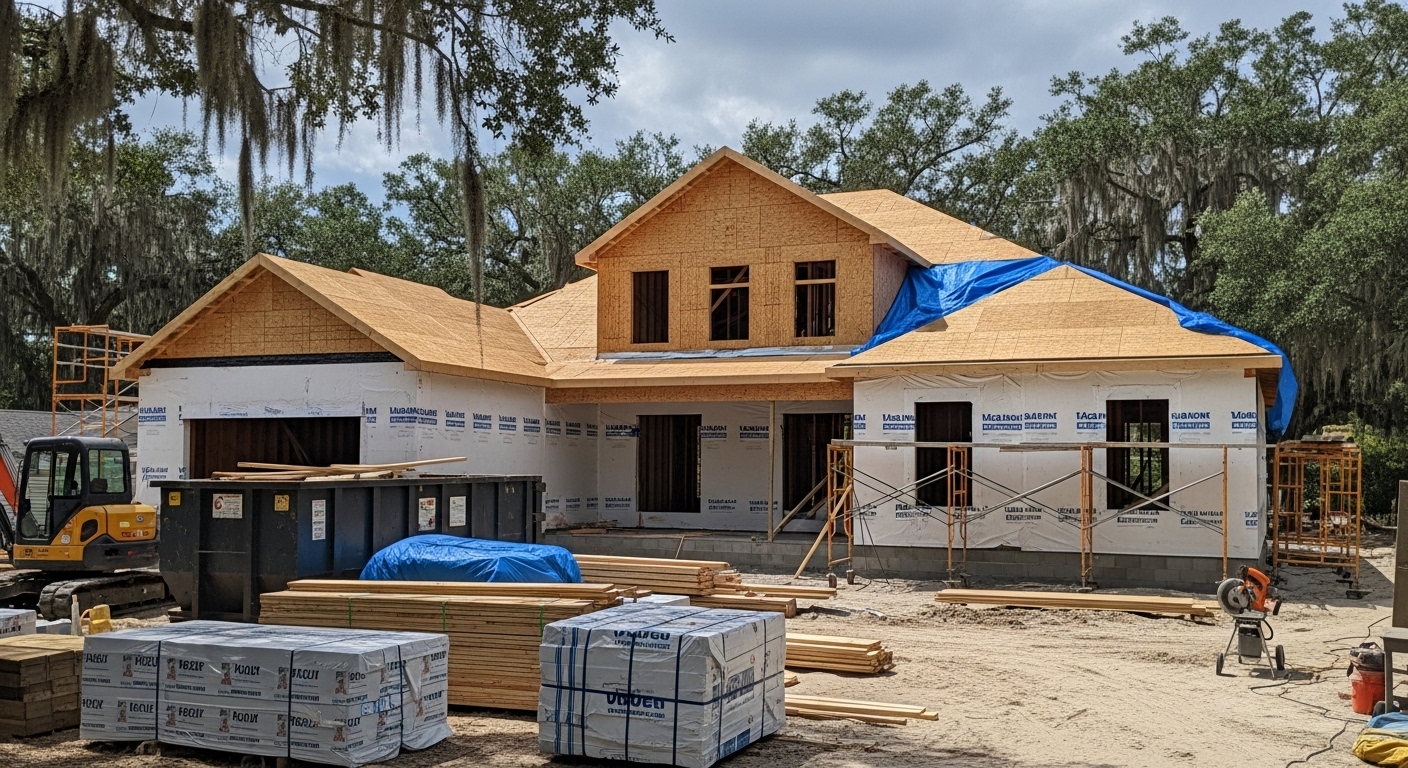
Buying a Second Home or Investment Property in SC: What You Need to Know

South Carolina's real estate market continues to draw buyers looking to expand their portfolio beyond their primary residence. Whether you're dreaming of a coastal getaway near Myrtle Beach or Hilton Head, a lake house on Lake Murray or Lake Keowee, or considering a rental property in Charleston or Greenville to generate steady rental income, buying a second home or investment property in SC requires careful planning, the right financing, and a clear understanding of how these purchases differ from buying a primary home. Bob Fabian, a mortgage originator with years of experience helping South Carolina buyers navigate these exact decisions, walks through the key financial factors, loan programs, and tax implications you should understand before moving forward.
Second Home vs Investment Property: Why the Distinction Matters
One of the first things Bob Fabian explains to clients is that lenders and the IRS treat a second home vs an investment property very differently, and getting this classification right from the start can save you a lot of headaches down the road. A second home, sometimes called a vacation home or secondary residence, is a property you intend to use for personal enjoyment or seasonal living for at least part of the year. Think of a beach cottage along the Grand Strand where your family spends summers, or a mountain retreat in the Upstate you visit a few times a year.
An investment property, on the other hand, is purchased primarily to generate rental income rather than for personal use. This tax classification affects everything from your minimum down payment to your interest rate, which is why Bob Fabian always asks clients upfront how they intend to use the property before recommending a loan type. Most lenders require documentation supporting your stated intent, and misrepresenting a rental property as a second home can create serious problems later, including loan default clauses being triggered.

Financing Requirements for a Second Property
When it comes to home financing for a second property, most lenders require a higher down payment than what's needed for a primary residence. While primary home purchases sometimes allow down payments as low as 3-5%, second homes typically require at least 10-20% down, and investment properties often call for even larger down payments, sometimes 25% or more. Bob Fabian notes that this is because lenders view second properties as carrying increased risk compared to a primary home, since borrowers are statistically more likely to default on a second property if finances get tight.
Your debt to income ratio also plays a major role in qualifying for investment property financing. Lenders will look closely at your existing mortgage payments, other debts, and income to determine whether you can reasonably handle a second mortgage. If you're planning to rely on projected rental income to help qualify, most lenders will only count a percentage of that anticipated income (often 75%), and you'll typically need a lease history or market rent analysis to support the number, which matters a great deal in vacation rental hot spots along the South Carolina coast.
You should also expect higher interest rates on second homes and investment properties compared to primary residences. Interest rates increase because of the added risk lenders take on, and this is especially true for investment properties, which often carry the highest rates of all the property types Bob Fabian works with. If your loan amount exceeds conventional loan limits, you may need to explore jumbo loans, which come with their own stricter lending requirements and financial requirements, including higher credit scores and larger cash reserves, something that comes up often for buyers eyeing higher priced coastal properties.
Loan Programs and Options to Consider
Not all loan programs work the same way for a second property, so it's worth exploring your options with a knowledgeable mortgage lender. Conventional loans are the most common route for financing a second home, though qualification standards are generally stricter than what's needed for a primary home. Depending on your financial situation, Bob Fabian may also discuss a home equity line as an alternative, allowing you to tap into the equity built up in your primary residence to fund the down payment or even the full purchase of a second property.
Because financing requirements vary so much depending on whether you're purchasing a vacation home or a true investment property, working with Bob to compare rates and terms can be worthwhile. Bob Fabian frequently recommends that clients get pre-approved before shopping for a second house, since this clarifies your budget and shows sellers you're a serious, qualified buyer. This step is especially important in competitive South Carolina markets where desirable beachfront, lakefront, or downtown Charleston rental properties can move quickly.
Understanding Property Taxes, Insurance, and Ongoing Costs
Property taxes on a second home or investment property can vary significantly depending on location desirability and local county rates, so it's important to research this before making an offer. South Carolina counties differ widely in their tax treatment, and non-owner-occupied properties are generally taxed at a higher assessment ratio than a primary residence, which is something Bob Fabian walks clients through early in the process. Coastal areas may also require flood insurance and windstorm coverage, which adds another layer of ongoing home expenses to factor into your budget, particularly for properties near the Atlantic coastline.
Beyond property taxes and insurance, owners of rental properties need to budget for property management fees if they hire a property manager to handle tenant relations, maintenance, and rent collection. While self-managing can save money, many owners find that a professional property manager is worth the investment, especially if the rental property is located far from their primary residence or if they're managing multiple properties at once, which is common among out-of-state buyers purchasing vacation rentals in SC. These fees typically run between 8-12% of monthly rental income but can vary based on services provided, and can run higher for short-term vacation rental management along the coast.
Other ongoing costs to factor into your investment goals include routine maintenance, potential vacancies, and utilities if not covered by tenants. Bob Fabian encourages buyers to build a cushion into their budget for unexpected repairs, since consistent cash flow depends on more than just collecting rent each month, it also depends on properly maintaining the property to protect its long-term value, especially in humid, coastal, or high traffic vacation markets.

Tax Benefits and Tax Implications of Owning a Second Property
There are meaningful tax benefits associated with owning a second home or investment property, but the rules differ depending on how the property is classified. For a second home used primarily for personal use, you may be able to deduct mortgage interest on your primary home and second home combined, up to certain IRS limits. Property taxes may also be deductible, subject to current caps on state and local tax deductions.
For investment properties, the tax treatment shifts considerably. Rental income is taxable, but you can typically deduct a wide range of expenses including mortgage interest, property management fees, repairs, depreciation, and even property manager fees if you hire outside help. These deductions can significantly offset your rental income and improve your overall cash flow. Because tax implications can get complicated quickly, especially when a property is used for both personal and rental purposes throughout the year, Bob Fabian always recommends working closely with a tax professional or financial advisor who can walk you through the specific rules that apply to your situation and help you make informed decisions that align with your broader financial picture.
Evaluating Rental Income Potential and Market Demand
If your goal is to generate steady rental income, it's worth doing your homework on rental demand in the area you're considering. Working with a local real estate agent who understands the rental market in that specific South Carolina community can help you gauge realistic rent prices, vacancy rates, and the types of tenants typically drawn to that area, whether that's long term tenants seeking year-round housing in Greenville or Columbia, or seasonal renters looking for a short-term vacation stay near Myrtle Beach or Hilton Head Island.
Bob Fabian often points out that location plays a huge role in whether a rental property turns out to be a good investment. Properties near universities, hospitals, or growing employment centers such as Greenville, Charleston, or Columbia tend to attract long term tenants and maintain more consistent cash flow, while beachfront or resort-area properties may see stronger income during peak seasons but more variability throughout the year. Understanding projected rental income realistically, rather than optimistically, is one of the most important financial factors in deciding whether a property purchased for investment purposes will actually perform the way you expect.

Making the Decision: Is a Second Property Right for You
Ultimately, deciding whether to move forward with buying a second home comes down to weighing your investment goals against your financial requirements and comfort with risk. If personal enjoyment and having a family retreat is your main priority, a vacation home might make more sense even if it doesn't generate significant rental income. If building wealth through real estate and creating an additional income stream is your goal, an investment property with strong rental demand may better suit your needs.
Bob Fabian recommends starting the conversation early, well before you begin touring properties, so you understand your loan amount eligibility, your projected monthly payments, and how a second property will fit into your overall financial plan. Every buyer's situation is different, and the right loan type, down payment strategy, and property type depend on your unique goals and financial requirements.
Whether you're drawn to the idea of a peaceful mountain cabin in the Upstate or a beachfront rental that builds long-term wealth, South Carolina offers a wide variety of property types and locations to fit different lifestyles and investment goals. By understanding the financing requirements, tax treatment, and ongoing costs involved, you'll be better prepared to make a confident, informed decision. Reach out to Bob Fabian to discuss your specific goals and get a clearer picture of what buying a second home or investment property in SC could look like for you.