Why Waiting to Build Could Cost You More in NC
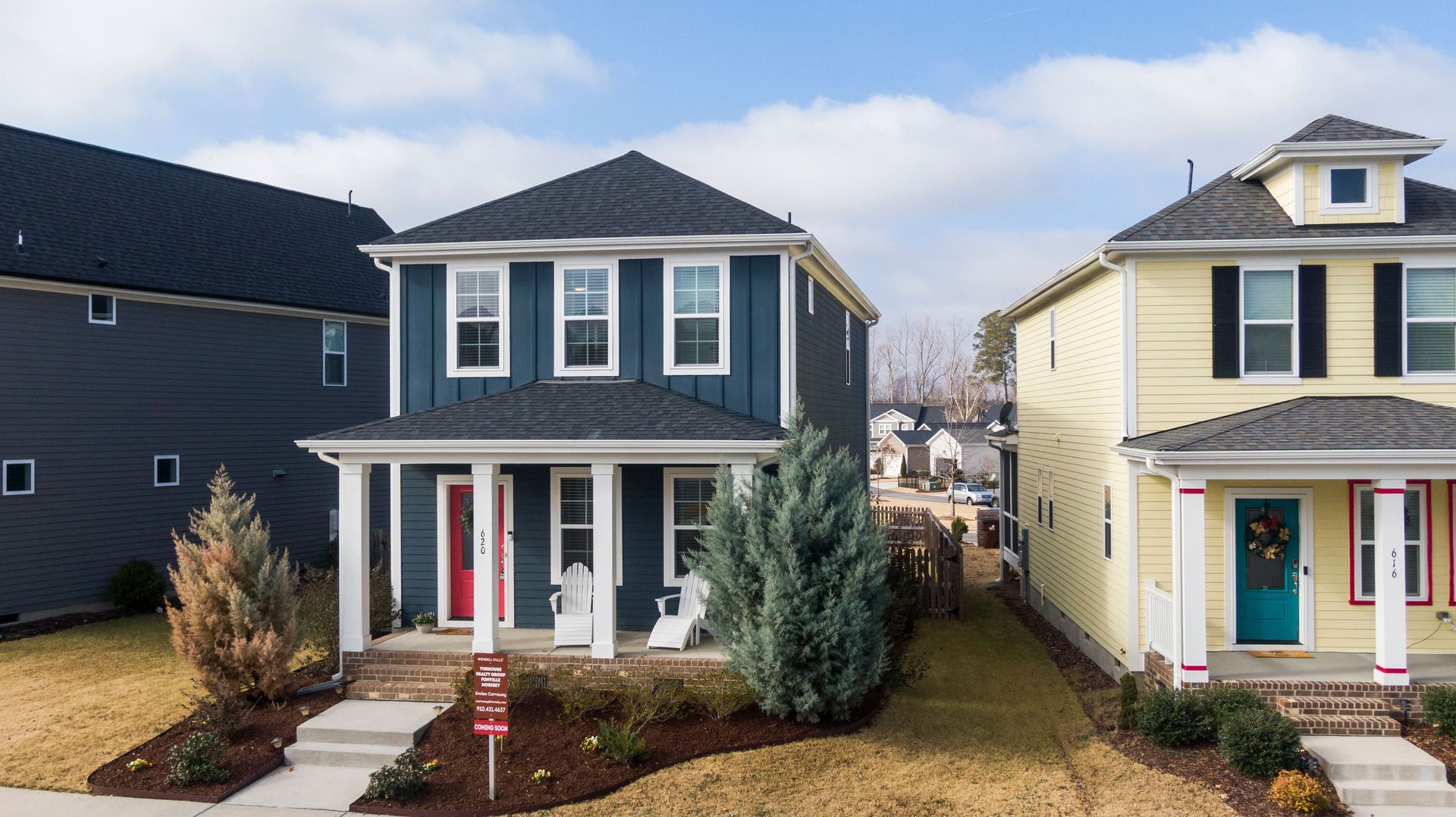
If you've been sitting on the fence about building a home in North Carolina, waiting for interest rates to drop or prices to settle, it might be time to rethink that strategy. Across the state, from the mountains to the coast, construction costs, land prices, and mortgage rates have all been moving in a direction that makes hesitation expensive. What looked like a reasonable "wait and see" approach a couple of years ago is starting to look like a costly delay, and the numbers back that up.
North Carolina has become one of the most in demand states for new construction over the past few years. Growth corridors around Raleigh, Charlotte, Wilmington, and the Triad have pulled in more buyers than the local housing market can comfortably absorb. That imbalance between supply and demand hasn't just pushed up prices for existing homes, it has also driven up construction costs, land availability, and the overall total project cost of building a custom home from the ground up.
For families who have been saving, planning, and waiting for the "right time" to build, understanding why waiting to build could cost you more in NC is essential before making a final decision. This isn't about creating urgency for the sake of it. It's about looking honestly at where the building process, material costs, and mortgage rates are headed, and what that means for your budget.
Why Construction Costs Keep Climbing
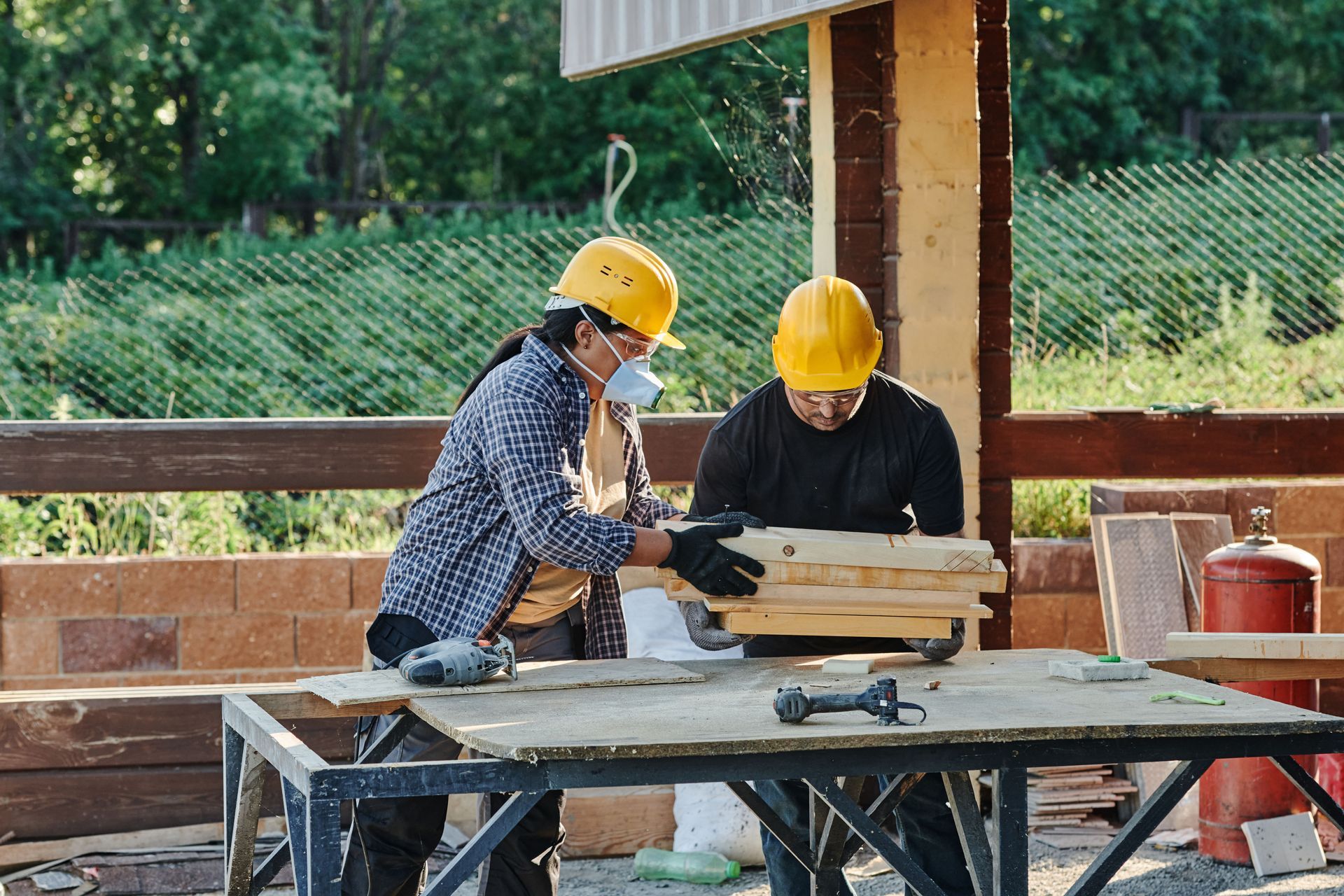
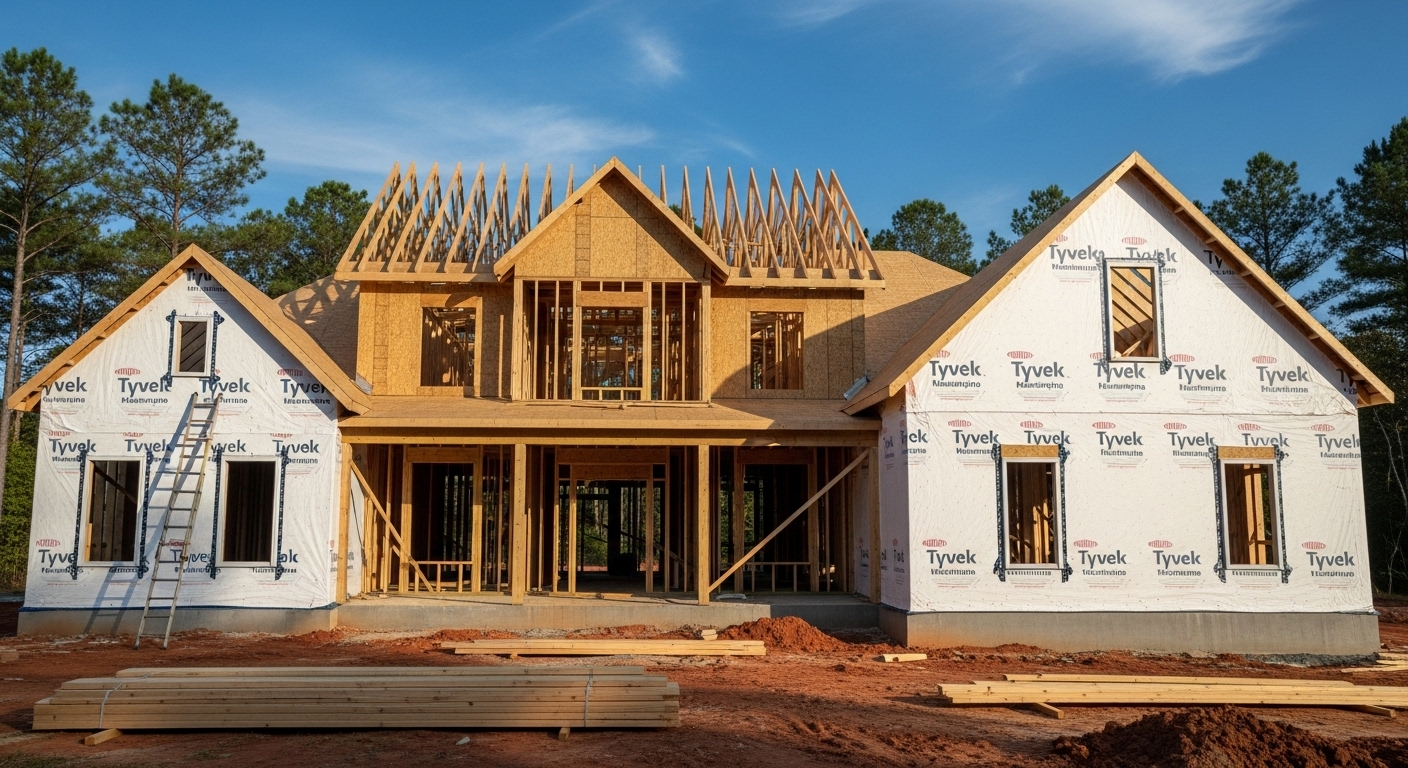
Construction costs in North Carolina haven't stabilized the way many buyers hoped they would. Material costs for lumber, roofing, concrete, and fixtures have remained elevated compared to pre pandemic levels, and labor costs have followed a similar trend. Skilled trade workers are in short supply across many parts of the state, and that scarcity shows up directly in what builder's charge per square foot.
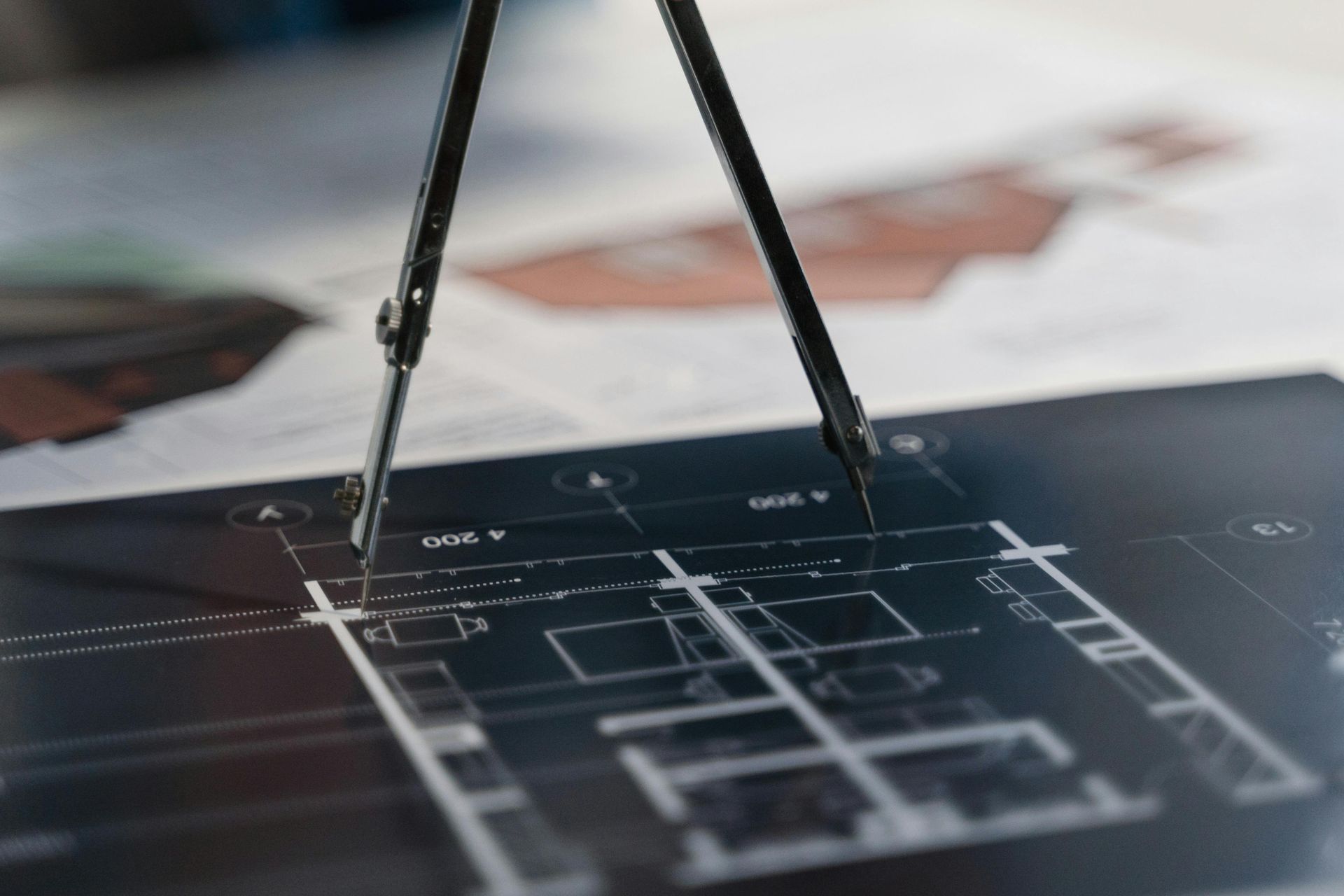
When you're pricing out a fully custom home, the per square foot cost isn't just about square footage and floor plan complexity anymore. It reflects the true cost of getting materials to the job site, paying qualified trade crews, and covering the soft costs that don't show up in a simple estimate, like permitting, engineering, and design fees. Roof trusses alone have seen notable price swings over the past few years, and something as basic as retaining walls or elevated foundations, both common in NC's varied terrain, can add tens of thousands of dollars depending on soil conditions and site prep needs.
This is where a mortgage originator like Bob Fabian becomes a valuable resource early in the process. Bob Fabian isn't the one pouring foundations or framing walls, but he understands how these construction costs translate into loan amounts, monthly payments, and long-term affordability. Buyers who loop in someone like Bob Fabian before they break ground tend to make more informed decisions about scope, size, and finishes because they understand the full financial picture from day one.
Land Prices and Availability Are Part of the Equation
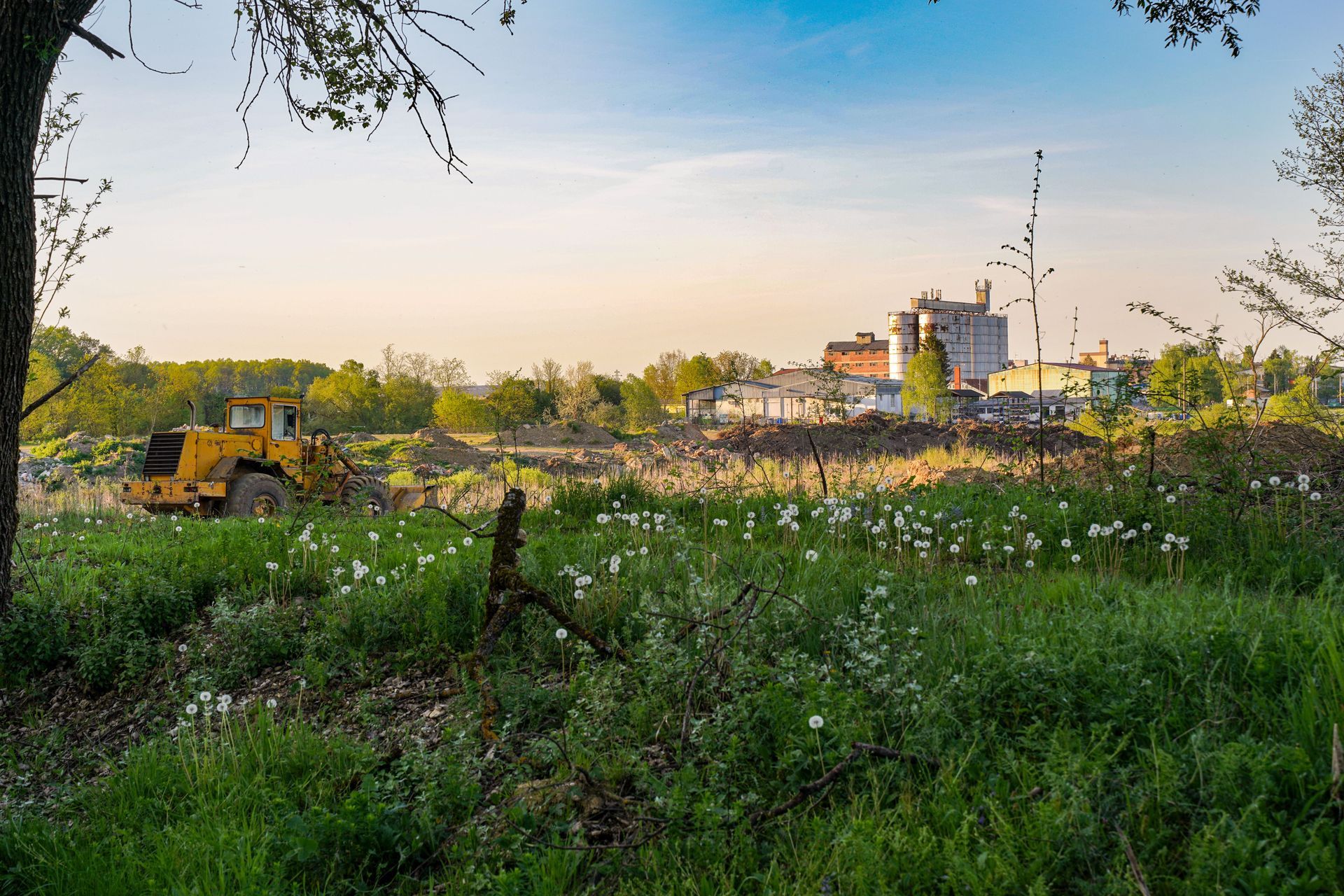
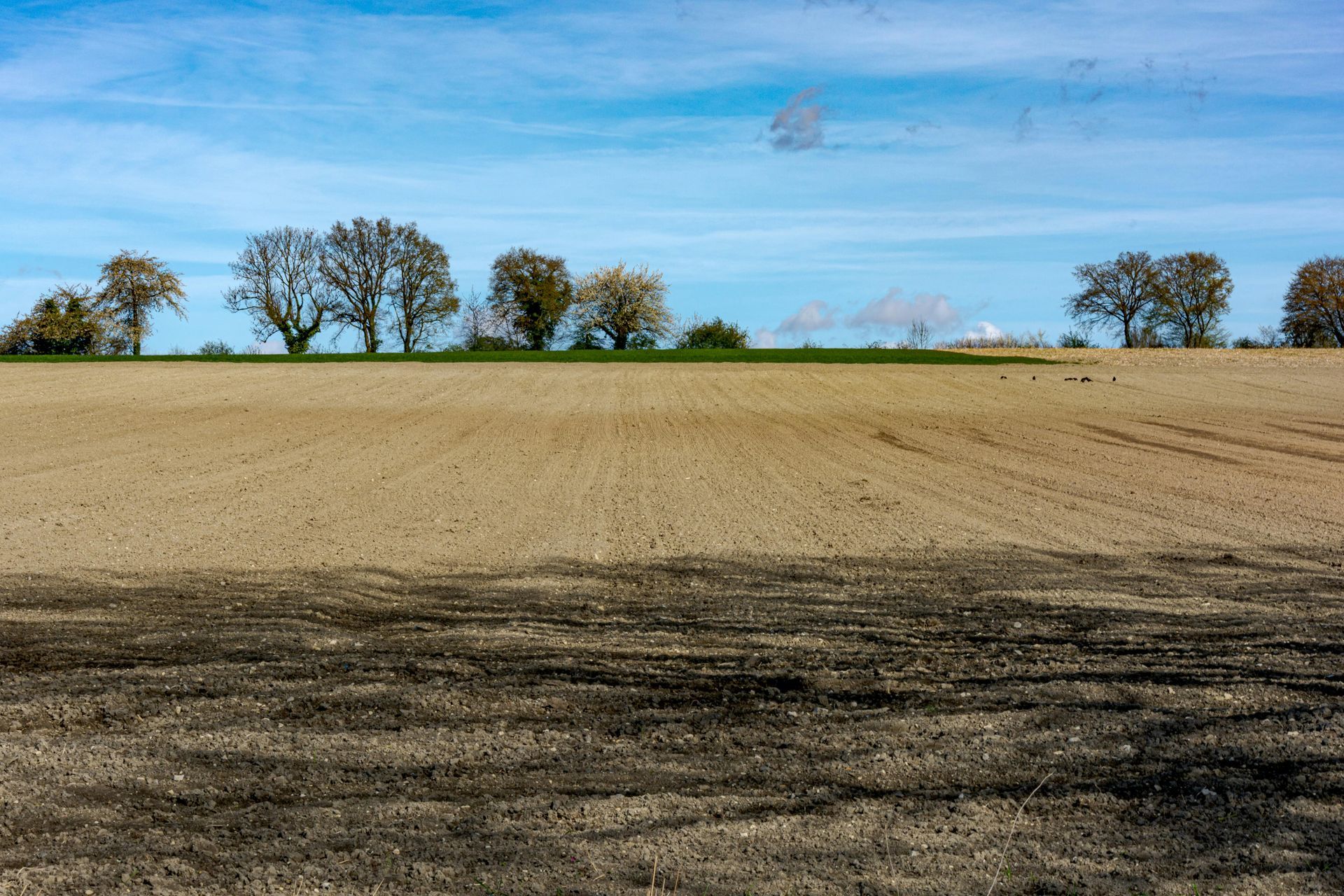
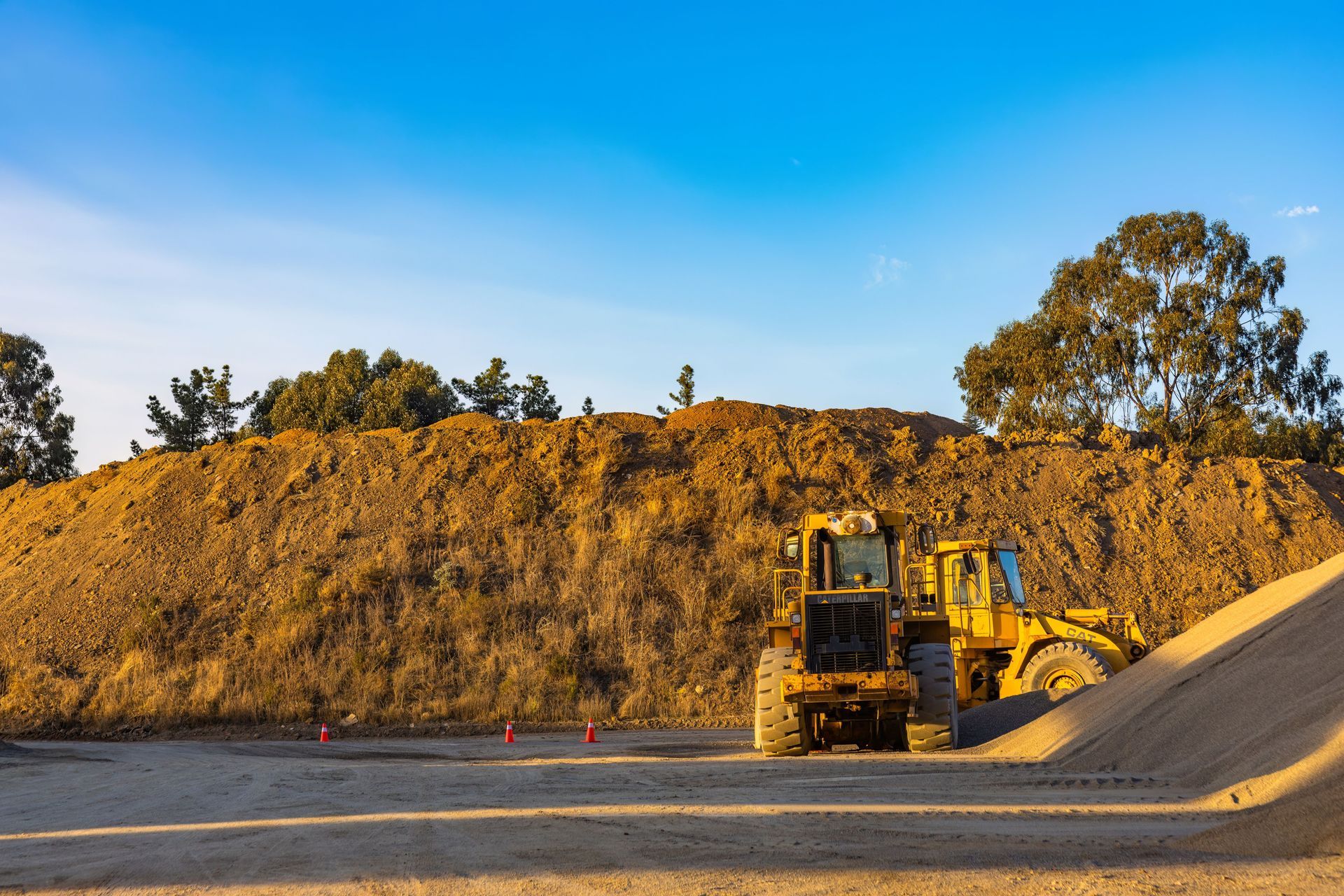
It's not just what happens above ground that's driving up total build cost. Land prices across North Carolina, particularly in growth corridors and desirable rural counties, have climbed substantially. Land availability in popular target areas has tightened as more buyers compete for the same limited inventory, and that competition has led to bidding wars on desirable lots, especially those with good soil conditions, mature trees, or proximity to water.
Perc testing, utility hookups, and land prep all factor into the total cost of a build before a single wall goes up. In rural counties where public utilities aren't already in place, buyers may need to budget for well and septic systems, which adds both cost and time to the build timeline. Impact fees, which vary by county and municipality, are another line item that catches many first time builders by surprise.
Waiting for land prices to come back down isn't a strategy that's paying off for most families. In growth corridors especially, land that was available and reasonably priced two years ago has often already been purchased, developed, or repriced significantly higher. Real estate professionals working in these markets consistently report that available lots move quickly, particularly ones with utilities already in place or minimal site prep required.
Construction Loan Rates vs. Traditional Mortgage Rates
One of the more misunderstood aspects of building a custom home is how construction loans actually work compared to a traditional mortgage. Standalone construction loans typically carry higher interest rates than a conventional mortgage, and many are structured as interest only payments during the build phase, converting to a permanent loan once the home is complete.
This is another area where working with someone like Bob Fabian pays off. Bob Fabian can walk buyers through the difference between a one-time close construction loan and a two-step process, and help them understand how construction loan rates are likely to behave relative to broader interest rates. Because higher interest rates have been a defining feature of the lending environment over the past couple of years, waiting to lock in financing doesn't automatically mean rates will improve. In some cases, buyers who delay end up facing both higher construction costs and higher interest rates, a combination that significantly increases the total cost of ownership.
Bob Fabian often points out to clients that trying to time the market on interest rates is a gamble, while understanding your own financial readiness is something you can control. That's a meaningful distinction for anyone trying to decide whether now is the smartest move to start the building process or whether waiting makes more sense.
The True Cost of Waiting
When people say "waiting to build could cost you more in NC," they're not just talking about material costs. They're talking about the cumulative effect of rising land prices, elevated construction costs, tighter labor markets, and mortgage rates that have moved well past historic lows. Each of these factors compounds the others.
Consider a family that priced out a custom home eighteen months ago at a certain per square foot cost, with land already identified in a growth corridor. If they waited to build, they're likely facing three challenges now: the same lot may no longer be available or may cost significantly more, construction costs for that same floor plan have likely increased, and mortgage rates may be higher than what they could have locked in previously. Each of these individually might be manageable, but combined, they can push a project well beyond its original budget.
This is precisely why buyers are encouraged to sit down early with a mortgage originator like Bob Fabian before finalizing floor plans or lot selection. Bob Fabian can run scenarios showing how delaying six months or a year could affect monthly payments, down payment requirements, and overall affordability. For many families, seeing those numbers side by side is what turns "we'll wait" into "let's move forward now."
Is Now the Time to Build in NC?
There's no universal answer for every buyer, but the trends are clear. Construction costs, land prices, and mortgage rates have all moved upward over the past few years, and there's little indication that waiting will meaningfully reverse that trend in most target areas across North Carolina. For families who have been saving for a custom home and have reasonable financial footing today, continuing to wait may mean facing an even steeper total project cost down the road.
The good news is that buyers don't have to navigate this decision alone. Real estate professionals can help identify land and builder options that fit your target area and budget, while a mortgage originator like Bob Fabian can help map out financing options, from standalone construction loans to conversion into a traditional mortgage, so you understand exactly what you're committing to before you break ground.
If you've been asking yourself whether waiting to build could cost you more in NC, the honest answer for most buyers right now is yes. Between rising material costs, competitive land markets, and a lending environment that continues to shift, delaying a decision rarely results in a better outcome. Reaching out to a knowledgeable mortgage originator like Bob Fabian early in your planning process is one of the smartest moves you can make to understand your true costs, protect your budget, and move forward with confidence toward building your dream home.