Why Waiting to Build Could Cost You More in WI
If you've been sitting on the sidelines, watching the Wisconsin housing market and telling yourself you'll break ground next year when things settle down, you may want to reconsider that plan. The idea that waiting will save money sounds logical on the surface, but for most people in this market, the opposite tends to be true. From rising land costs to persistent labor shortages, the factors pushing build costs higher aren't going anywhere fast and every month you wait could mean paying more for the same dream home you could start planning today.
Bob Fabian, a mortgage originator with Sistar Mortgage, works closely with clients across Wisconsin who are weighing exactly this decision. His consistent message: the window to lock in more favorable terms and lower costs is narrowing, and the buyers who move forward with a clear plan are the ones who come out ahead.
The Real Cost of Waiting: Material and Labor Costs Aren't Coming Down
One of the biggest misconceptions buyers carry into the building process is that material costs will eventually drop back to where they were a couple years ago. That's not the reality builders and mortgage professionals are seeing on the ground. Lumber, concrete, roofing materials, windows, flooring, cabinets, and insulation have all experienced significant price increases, and while there have been some modest corrections in isolated categories, the overall trajectory remains higher.
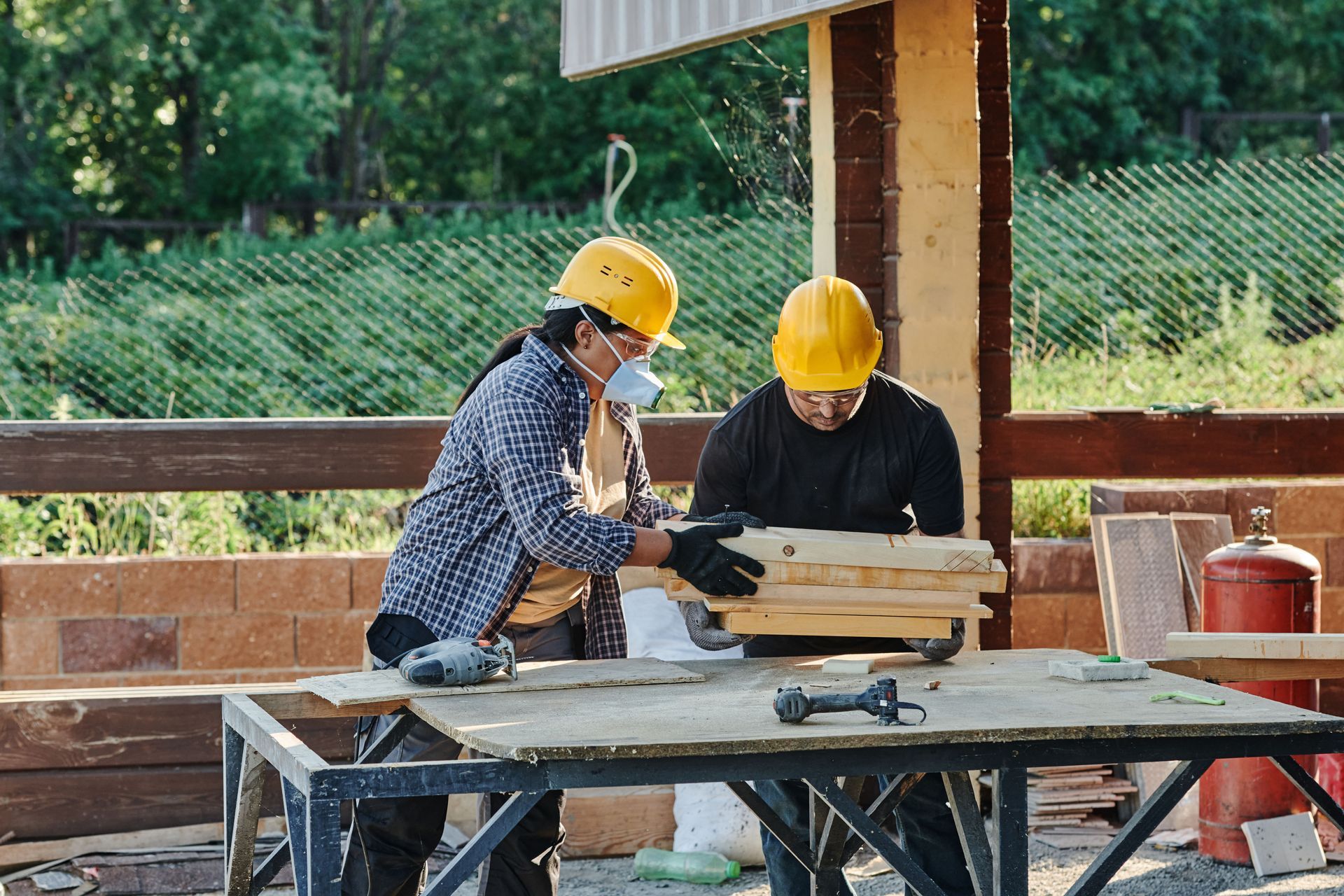
Labor costs are a compounding factor. Labor shortages in the skilled trades framers, electricians, plumbers, finish carpenters have driven up wages and extended project timelines across Wisconsin. Builders who once could staff a custom home project quickly are now booking out months in advance. When labor is scarce and demand for skilled workers stays strong, the cost per square foot rises whether you're ready for it or not.
What this means practically: the house you're pricing today at a certain budget is likely to cost more to build next year, not less. The materials will cost more. The labor will cost more. And if you're financing the build, the interest rates you're quoted today may look very attractive compared to where they could go. Waiting doesn't give you a cheaper project it often gives you the same project with a higher price tag attached.

Land Costs in South Central Wisconsin Are Moving Fast
For buyers looking at South Central Wisconsin whether that's the outskirts of Madison, the small town corridors heading toward Baraboo, Portage, or Sauk City, or the rural stretches closer to the Illinois border land costs have become a significant factor in the overall build budget. Buildable lots, especially those with favorable zoning, utility access, and reasonable proximity to employment centers, are being absorbed quickly.
This isn't a temporary spike. Population pressure from Madison's growth, remote work flexibility driving demand for country properties and second homes, and a limited supply of shovel ready land have all tightened inventory. When a desirable parcel hits the market, there are multiple buyers lined up behind it. The idea that you can wait a couple years and find the same land at a lower price ignores what's actually happening at ground level across the region.
If you already own land, that's equity working in your favor and it's something Bob Fabian actively helps clients leverage. Land equity can often be used as part of the down payment structure on a construction loan, reducing what you need to bring to the table in cash and making the project more financially accessible than most people assume. That option only exists if you're already positioned with property. If you're still shopping for land, getting into contract sooner rather than later is a meaningful financial decision.
What Monthly Payments Look Like Now vs. Later
The mortgage rate environment is one of the most misunderstood parts of the new construction conversation. Many buyers are waiting for mortgage rates to drop before they commit to a build, operating on the assumption that rates will fall significantly and make their monthly payments meaningfully more affordable. While rates can and do fluctuate, betting your entire building timeline on a substantial rate drop is a risky financial strategy.
Here's the practical math that Bob Fabian walks through with his clients regularly. If construction costs rise by ten to fifteen percent over the next twelve to eighteen months which is well within the range of what the industry is projecting given continued labor shortages and material demand your loan amount goes up accordingly. Even if mortgage rates drop by a modest amount over that same period, the higher principal often eliminates the monthly payment benefit you were waiting for, and in many scenarios the monthly payment ends up higher, not lower.
There's also the cost of renting while you wait to factor in. Most people building a custom home are either paying rent or carrying existing home costs in the interim. Those dollars spent waiting are dollars that aren't building equity, aren't going toward your new build, and aren't coming back. Over the range of a typical build timeline often twelve to eighteen months from planning through move-in that rental cost adds up to a significant number. When you run the full picture, waiting to build is rarely as cost effective as it appears on paper.
For buyers considering a modular home as a more affordable entry point into new construction, this math is equally relevant. Modular home pricing has also risen, and the lead times from manufacturers have extended. Moving forward with a clear plan and solid mortgage financing is still the most cost effective path, regardless of the construction method you choose.

How Bob Fabian Helps Clients Build a Budget That Actually Works
One of the most valuable things a mortgage originator brings to the new construction process is a realistic financial framework before the first dollar gets spent on plans or permits. Bob Fabian approaches new construction clients differently than a traditional purchase transaction, because the variables are different and the stakes of being underprepared are higher.
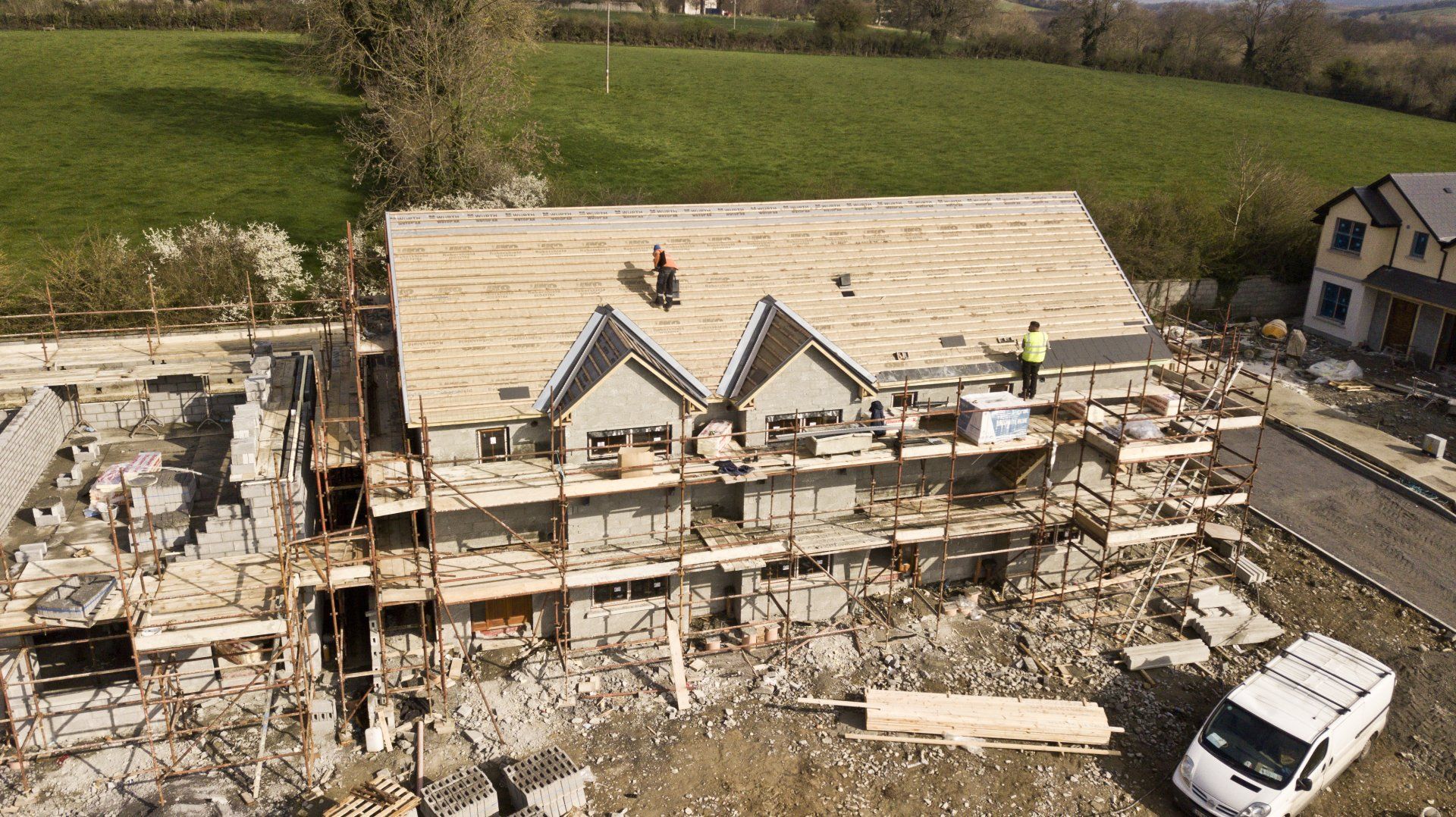
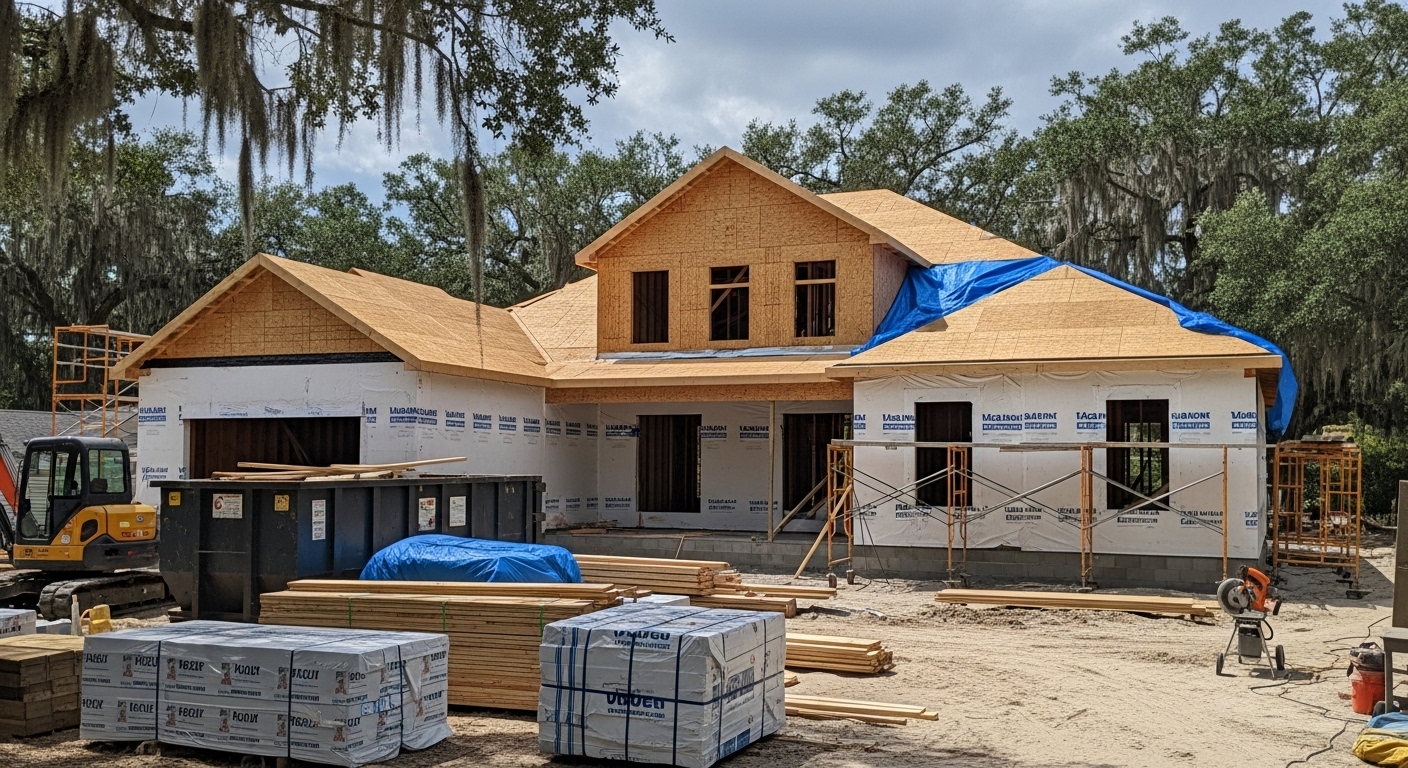
Construction loans have their own structure. Rather than a straightforward purchase mortgage, you're typically looking at a loan that funds in draws as the project moves through defined stages foundation, framing, rough mechanicals, drywall, and finish work, as an example. Bob Fabian provides clients with regular updates on where they are in the financing process, what draws are available, and how to coordinate with their builder so the project doesn't stall waiting on funding. That communication is what keeps a build timeline on track and prevents costly delays.
Beyond the loan structure itself, Bob Fabian helps clients think through the full budget picture: the land, the construction costs, the contingency reserve (a minimum of ten percent is a common recommendation in the current environment). Most buyers who come in focused only on the monthly payment don't realize how many variables feed into that number. Property taxes on the completed home, homeowner's insurance, HOA dues in certain developments these all factor into what you can genuinely afford versus what the loan approval says on paper.
For clients who want to save money on the build itself, Bob Fabian can often point toward financing structures that allow for owner participation in certain phases of the build, or toward construction approaches like prioritizing better insulation, efficient windows, and quality roofing upfront that lower operating costs in the long run even if they add modestly to the initial budget. A home built with better insulation and efficient mechanicals will have lower utility costs for decades. That's a financial decision, not just a comfort preference, and it's the kind of guidance that separates a strong mortgage originator from someone who just processes paperwork.

The Long Run Argument for Moving Forward Now
Homeownership in Wisconsin has historically been one of the most reliable wealth building strategies available to working families, and that hasn't changed. What has changed is the cost of delay. A decade ago, a buyer who waited a year to build might have found comparable pricing or slightly better conditions on the other side of that wait. In the current environment with land costs rising, builders booking further out, labor remaining expensive, and construction timelines stretched waiting a year often means paying materially more for the same outcome.
For buyers who are serious about building a custom home in Wisconsin, whether in a growing suburb, a small town, or a rural setting, the message from Bob Fabian is consistent: get your financing picture clear now, understand what you can afford, and don't let the perfect market conditions you're waiting for cost you the opportunity to build at today's prices.
The dream house you've been sketching out in your head doesn't get cheaper while you wait. The land doesn't get more available. The builders don't get less busy. What you can control is how prepared you are when you're ready to move and having an experienced mortgage originator like Bob Fabian in your corner from the beginning of the process is one of the highest value decisions you can make before you ever put a shovel in the ground.
If you're ready to stop waiting and start planning, reach out to Bob Fabian at Sistar Mortgage to talk through your options and build a roadmap that makes your new construction project financially achievable from day one.