Why Waiting to Build Could Cost You More in SC
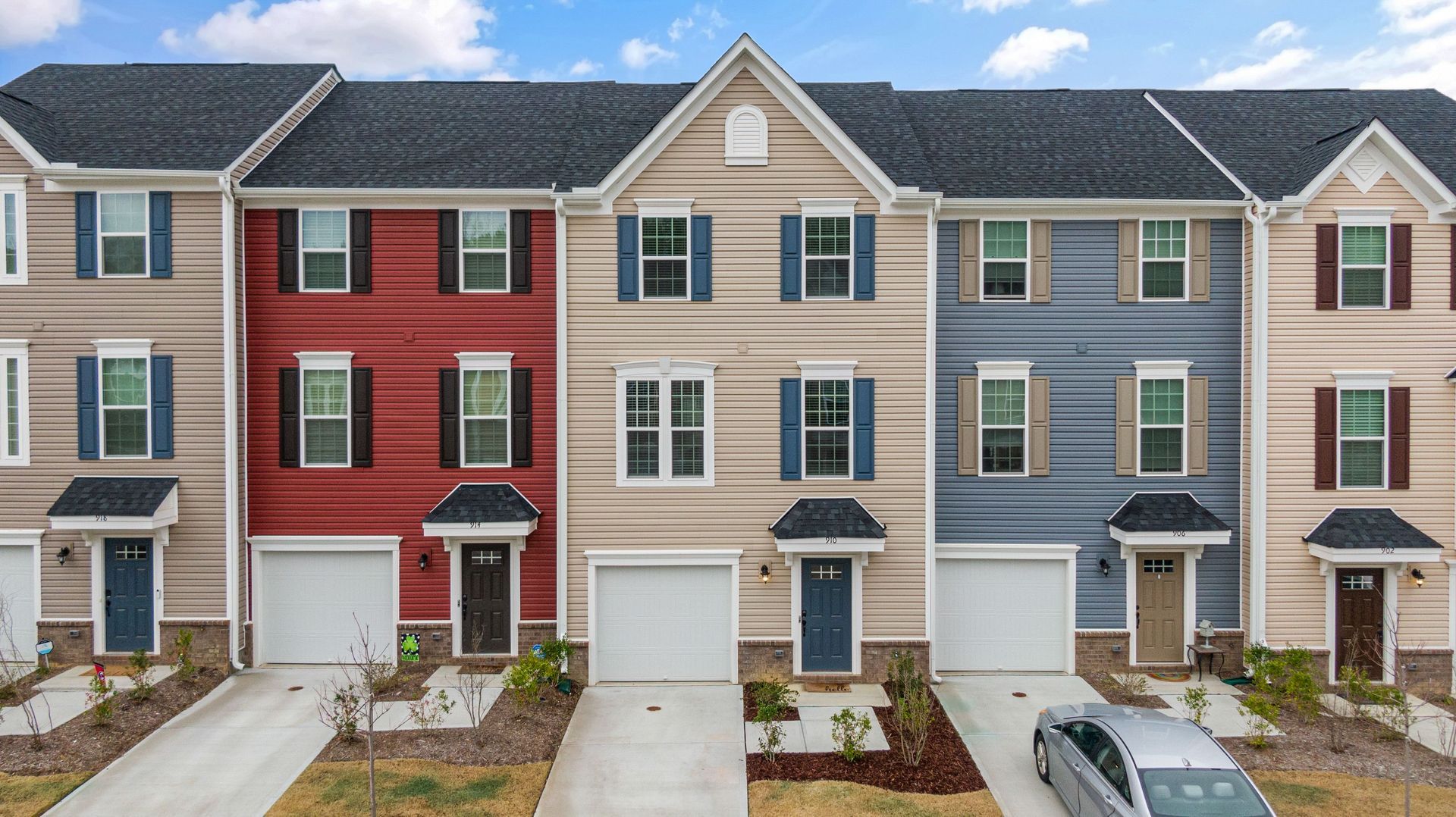
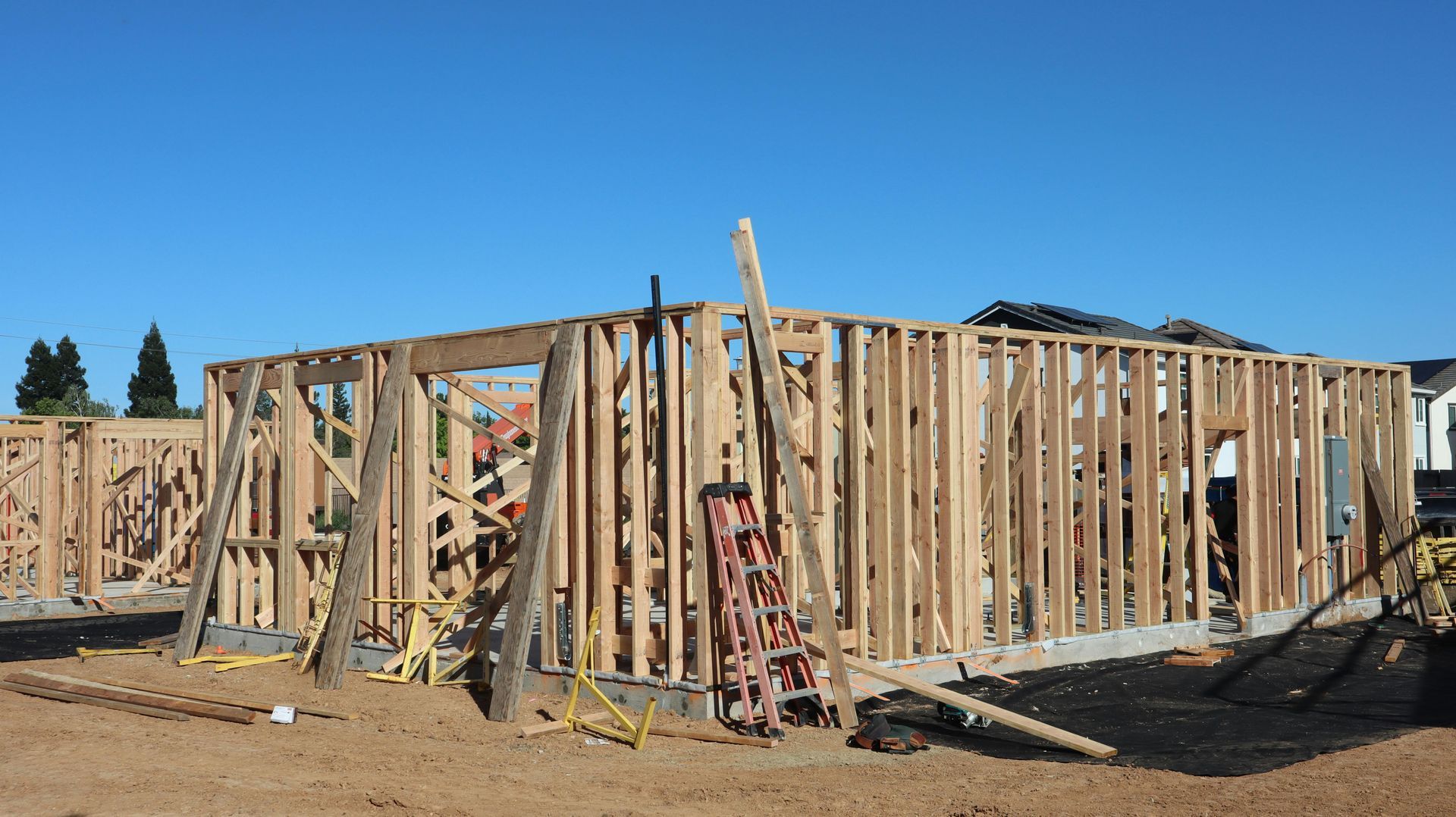
If you've been putting off building your custom home in South Carolina, you might be telling yourself the timing isn't right maybe you're hoping interest rates will drop, construction costs will fall, or the housing market will cool down. It's a reasonable instinct. But for many families across the state, waiting to build has quietly become one of the most expensive decisions they never made. Before you push your dream home plans to next year, here's what you need to understand about the real cost of waiting.
Construction Costs in South Carolina Aren't Getting Cheaper
One of the biggest misconceptions buyers hold onto is that construction costs will eventually come down enough to make a meaningful difference in their budget. The reality in the South Carolina market tells a different story. Labor costs have been rising steadily as skilled tradespeople from framers to electricians to HVAC installers are in high demand and short supply. Construction materials like lumber, windows, and roofing have experienced ongoing inflation, and while there have been brief dips, prices have not returned to pre-pandemic levels in any sustained way.
The cost per square foot to build a new home in South Carolina has climbed significantly over the past few years, and local market conditions in areas like Myrtle Beach and the surrounding Lowcountry suggest that trend isn't reversing anytime soon. Land availability is also tightening. As more buyers and developers compete for buildable lots, land prices are rising alongside everything else. If you're planning to build a fully custom home, the window to lock in today's costs before the next round of price increases hits materials and labor is shorter than most people realize.
The Opportunity Cost of Waiting Is Real
There's a financial concept that doesn't get discussed enough in the home building conversation: opportunity cost. Every month you wait to break ground is a month you're not building equity in a property you own. If you're currently renting while waiting for the "right time" to build, you're paying someone else's mortgage and watching the total cost of your future home rise at the same time.
Bob Fabian, a mortgage originator who works closely with buyers across South Carolina, sees this pattern regularly. Many of his clients come to him after a year or two of waiting, only to discover that what they could have financed comfortably before is now stretching their budget. The home they could have built last year at a manageable monthly payment now costs more to build, requires a larger construction loan, and carries a higher total cost over the life of the loan even if mortgage rates haven't moved dramatically. Inflation erodes purchasing power quietly, and the housing market doesn't wait for buyers to feel ready.
How Construction Loans Work and Why Acting Sooner Matters
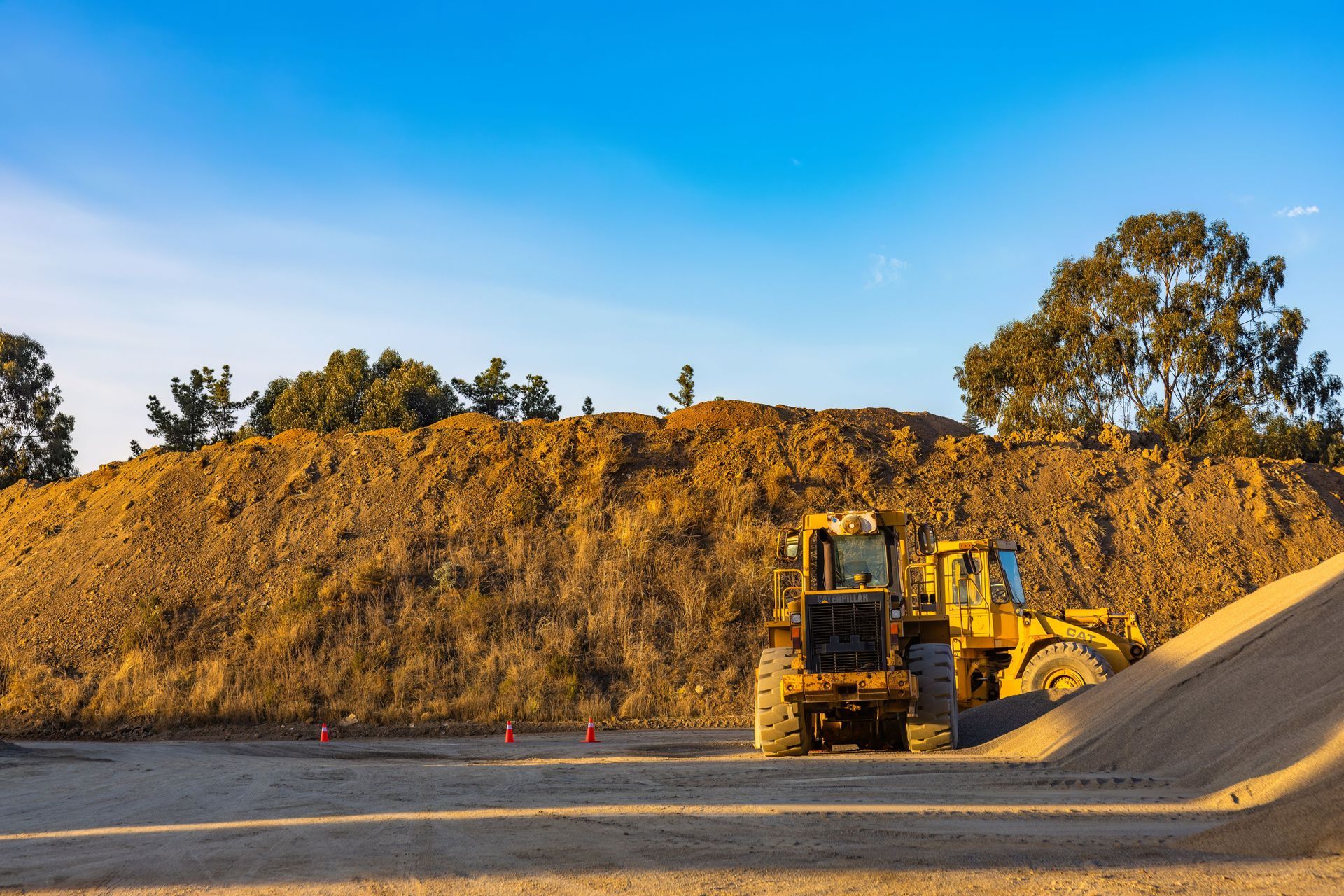
Understanding how construction loans are structured can shift your perspective on timing. Unlike a traditional mortgage on an existing home, a construction loan covers the cost to build in phases, and the rate environment at the time you close matters enormously. Bob Fabian helps buyers navigate the construction loan process from the beginning, making sure they understand what their financing looks like before a single permit is pulled.
When higher interest rates are part of the equation, some buyers assume that means building is off the table. But Bob Fabian points out that locking in construction financing now even in a higher rate environment can still be the smartest move when you factor in rising home prices and construction costs on the flip side. In many cases, the savings you hope to capture by waiting never materialize, and you end up paying higher prices for the same square footage a year or two down the road. Working with an experienced mortgage professional like Bob Fabian means you're making that decision with real numbers in front of you, not assumptions.

South Carolina's Local Market Rewards Buyers Who Plan Ahead
South Carolina has become one of the most in-demand states in the Southeast for new construction, and that demand is reshaping the local market in ways that disadvantage buyers who delay. New homes are being absorbed quickly in growth corridors from the Upstate to the Grand Strand. Builders are booked further out than they were just a few years ago, and in some cases, taking advantage of a preferred builder or securing a specific location requires getting into the process well ahead of your intended move date.
For buyers targeting areas like Myrtle Beach, where land availability is increasingly constrained and home values have been climbing, the math on waiting gets harder to justify. A similar size home built on the same lot in the same community will likely cost more next year than it does today not just because of market appreciation, but because of the compounding effect of labor costs, construction materials, and financing. Real estate professionals and mortgage originators operating in this market are watching the same data, and the consistent message from those on the ground is that buyers who plan ahead come out ahead.

The Trade-Offs of Waiting vs. Building Now
Every financial decision involves trade-offs, and building a home is no different. There are scenarios where waiting makes sense if your personal financial picture needs time to strengthen, or if you haven't yet found the right design or location for your fully custom build. But waiting purely in hopes of a market downturn or a significant drop in construction costs is a gamble that hasn't paid off for most buyers in recent South Carolina history.
Bob Fabian works with buyers at every stage of the decision-making process, helping them understand what purchasing power looks like today versus what it might look like if they wait six months or a year. In many cases, taking advantage of current conditions even with higher interest rates than the historic lows of a few years ago puts buyers in a stronger long run position than waiting for conditions that may never arrive. The dream home you've been planning doesn't get cheaper while you wait. In most cases, it gets more expensive.
If you've been sitting on your plan to build in South Carolina, now is the time to stop exploring in theory and start running real numbers. Reach out to Bob Fabian to understand exactly what your construction loan options look like, what the total cost of your project could be today versus in the future, and what steps you need to take to move your build forward with confidence.