Building Your Dream Home in NC: Everything You Need to Know Before You Break Ground
There's something undeniably exciting about the idea of building your dream home from the ground up. You choose the floor plan, the finishes, the layout every single detail reflects your taste, your family's needs, and the lifestyle you want to live. But before the construction crews arrive and the foundation gets poured, there's a lot of groundwork to cover. Whether you're eyeing a quiet lot in the foothills or a stretch of land near the coast, this guide walks you through what the home building process really looks like and how to set yourself up for success.
Why North Carolina Is One of the Best Places to Build Right Now
North Carolina continues to attract families, professionals, and retirees from across the country and it's easy to see why. The combination of diverse landscapes, a lower cost of living compared to many coastal states, and a strong job market makes NC an appealing place to put down roots. From the mountains in the west to the barrier islands in the east, there's a remarkable variety of land available for new construction.
Compared to neighbors like South Carolina, both north and south carolina offer strong builder markets, but NC consistently stands out for its growing suburban communities, favorable building regulations in many counties, and access to quality professionals. If you've been dreaming about a custom home that fits your life perfectly, now is a genuinely good time to start exploring your options.
Start With a Clear Vision Before You Talk to Anyone
The biggest mistake future homeowners make is jumping straight into land searches or builder meetings without first establishing a clear vision of what they actually want. Before you do anything else, sit down ideally with your whole family and build out your wish list.
Think through your must haves: How many bedrooms? Do you need a home office? A mudroom? An open-concept kitchen, or something more traditional? What does your daily routine look like, and how should your home support it? These aren't small questions. The answers will shape every decision that follows, from the floor plan you choose to the finishes you prioritize and ultimately the budget you set.
Bob Fabian, a mortgage professional who works closely with clients building new homes, often tells prospective buyers that the clearest indicator of a smooth build is how prepared the homeowner is going in. "The families who absolutely love the outcome are almost always the ones who did the work up front," he's noted when speaking with clients early in the process. Having that clear vision before you ever break ground saves time, money, and a whole lot of stress.
Finding the Right Land and the Right NC Home Builder
Once you know what you want, it's time to find where you want it and who's going to build it. These two decisions are deeply connected. Some builders work only in established communities or subdivisions; others will build on your land anywhere in the state. Understanding which model fits your situation is the first practical step.
When evaluating land, pay attention to more than just the price. Soil quality, drainage, access to utilities, zoning restrictions, and proximity to schools or work all affect your quality of life and the total cost of your project. A site that looks ideal on paper can have on site conditions that add tens of thousands of dollars to your construction costs if you're not careful. Have a professional evaluate any property before you commit.
Choosing your builder deserves equal attention. Look for an NC home builder with a solid portfolio of completed homes, verifiable references, and a transparent build process. Ask how they manage subcontractors, how they handle unexpected issues, and how they provide regular updates to homeowners throughout the build. A reputable builder will have no hesitation discussing all of these things openly.
Bob Fabian at Sistar Mortgage advises clients to get their financing pre-approved before they begin conversations with builders. It puts you in a stronger position, helps you set a realistic budget, and often gives builders more confidence that you're a serious buyer ready to move forward.
Understanding the Home Building Process Stage by Stage
Once you have your land and your builder selected, the actual home building process begins and it moves through a fairly predictable series of stages, even if the timeline can vary.
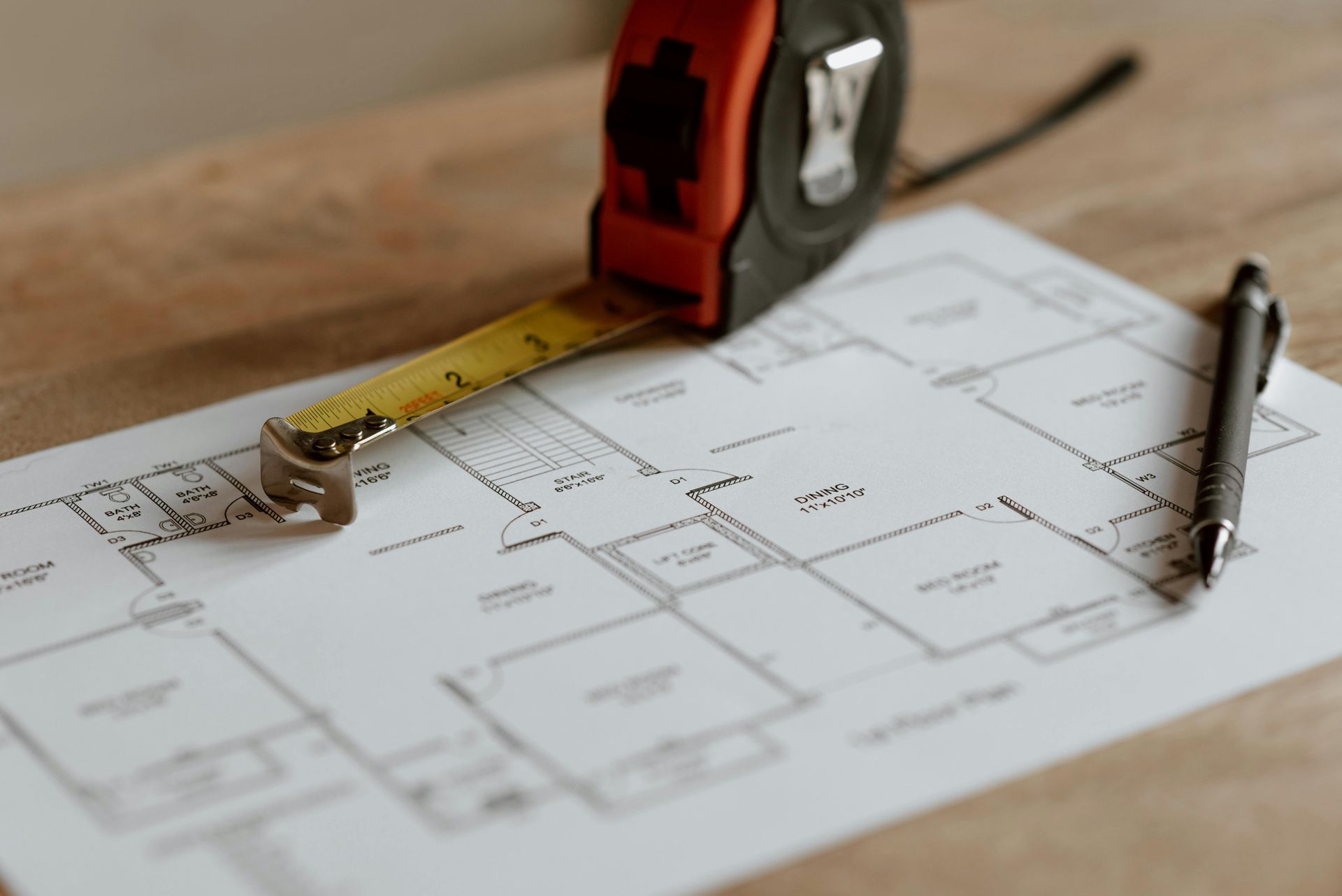
The first stage is design and planning. You'll work with an architect or the builder's design team to finalize your floor plan and select your structural options. This is where your ideas get translated into actual blueprints and construction documents. Take your time here. Changes made on paper are free; changes made on site are expensive.
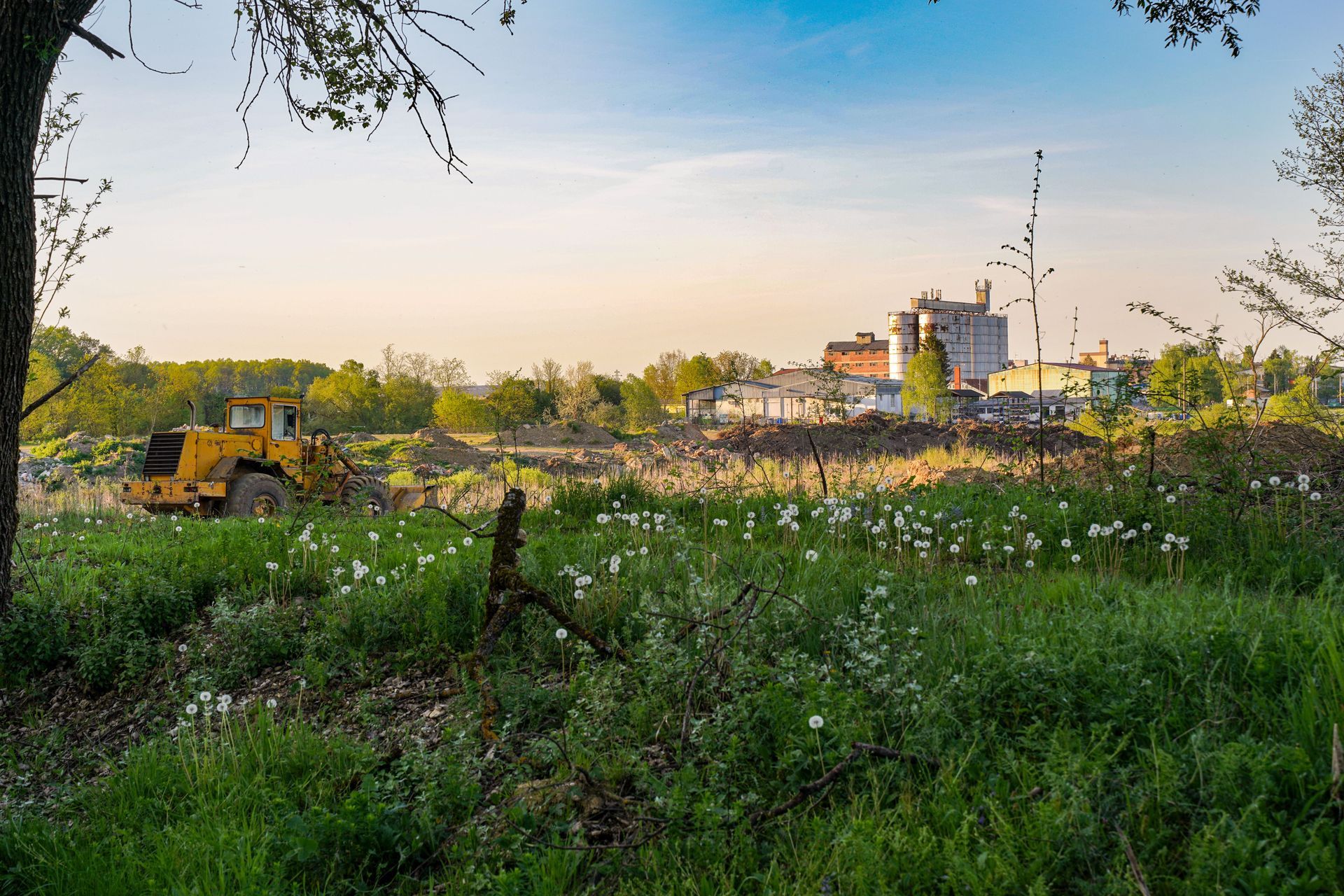
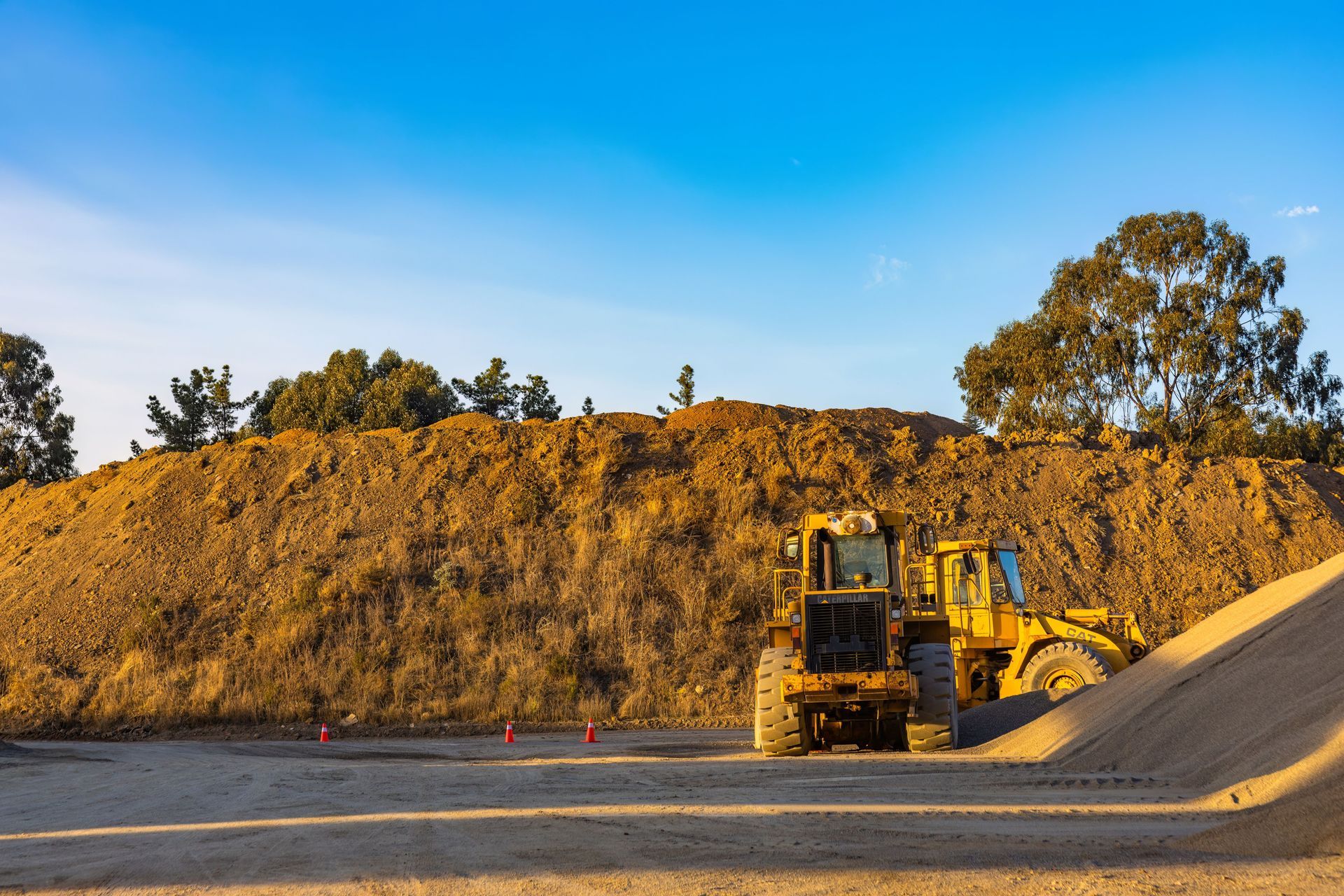
Next comes site preparation and foundation work. The land gets cleared, graded, and prepped before the foundation goes in. Depending on soil conditions and the design of the home, you might be working with a slab, crawl space, or full basement. The foundation is literally what everything else rests on, so this stage demands careful quality control.
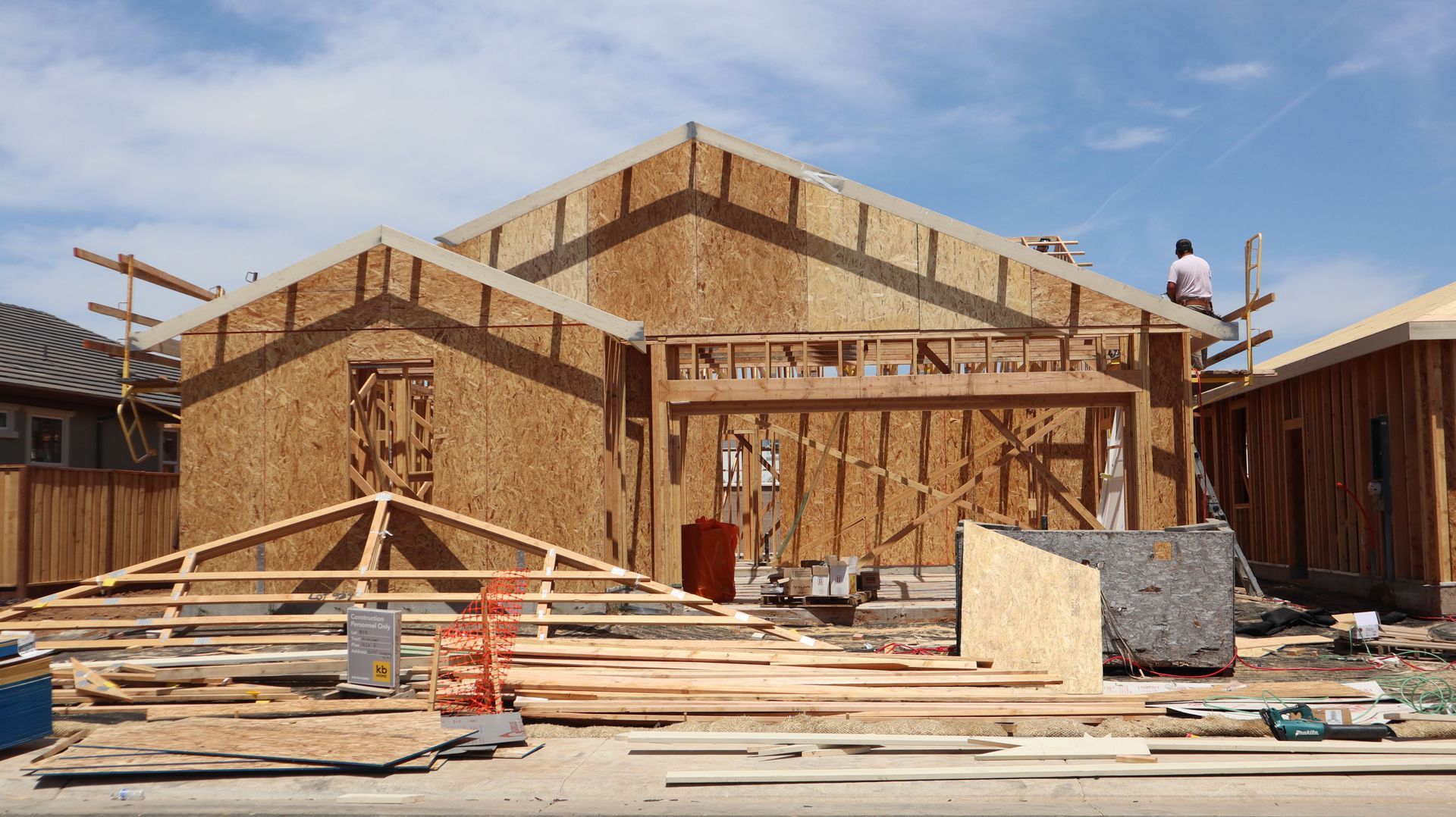
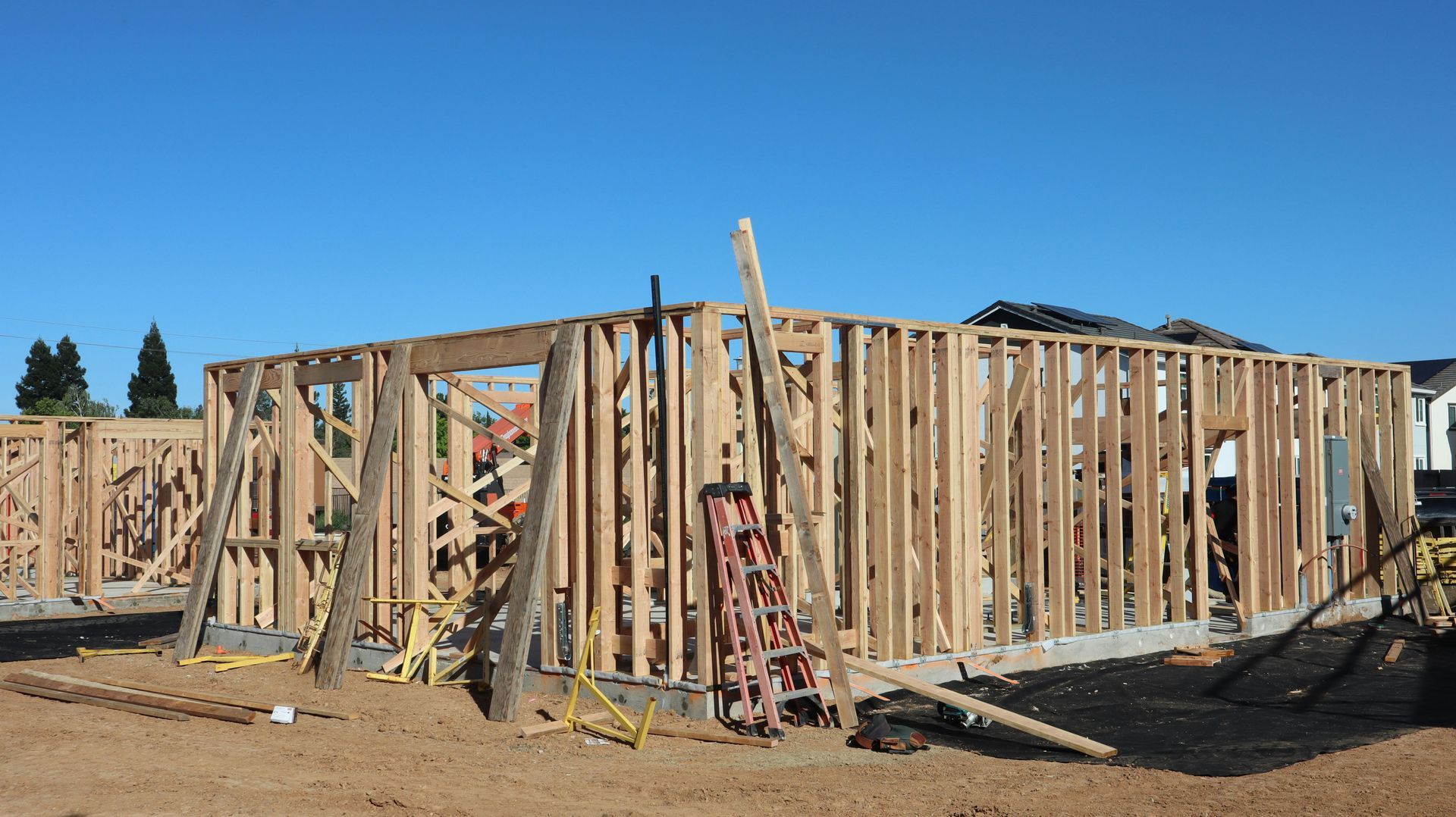
Framing follows, which is often the most visually dramatic phase suddenly your home goes from a flat slab to actual walls and a roof. Then come the systems: electrical, plumbing, and HVAC are all roughed in before insulation and drywall close everything up. After that, the finishing touches begin. Flooring, cabinetry, fixtures, paint, and trim all come together to turn a construction site into a home.
Throughout each of these stages, Bob Fabian emphasizes the importance of staying in communication with your lender. Construction loans work differently than traditional mortgages and understanding how draws are disbursed at different phases of the build helps you avoid cash flow surprises.
Managing Your Budget and Protecting Your Investment
New home construction has a way of expanding beyond the original estimate if you're not disciplined about it. Upgrades are tempting at every turn better countertops here, a larger deck there and costs can creep up quickly. Start with a budget that includes a contingency of at least 10 to 15 percent above your base contract price, and use that buffer only for genuine surprises, not wish list additions.
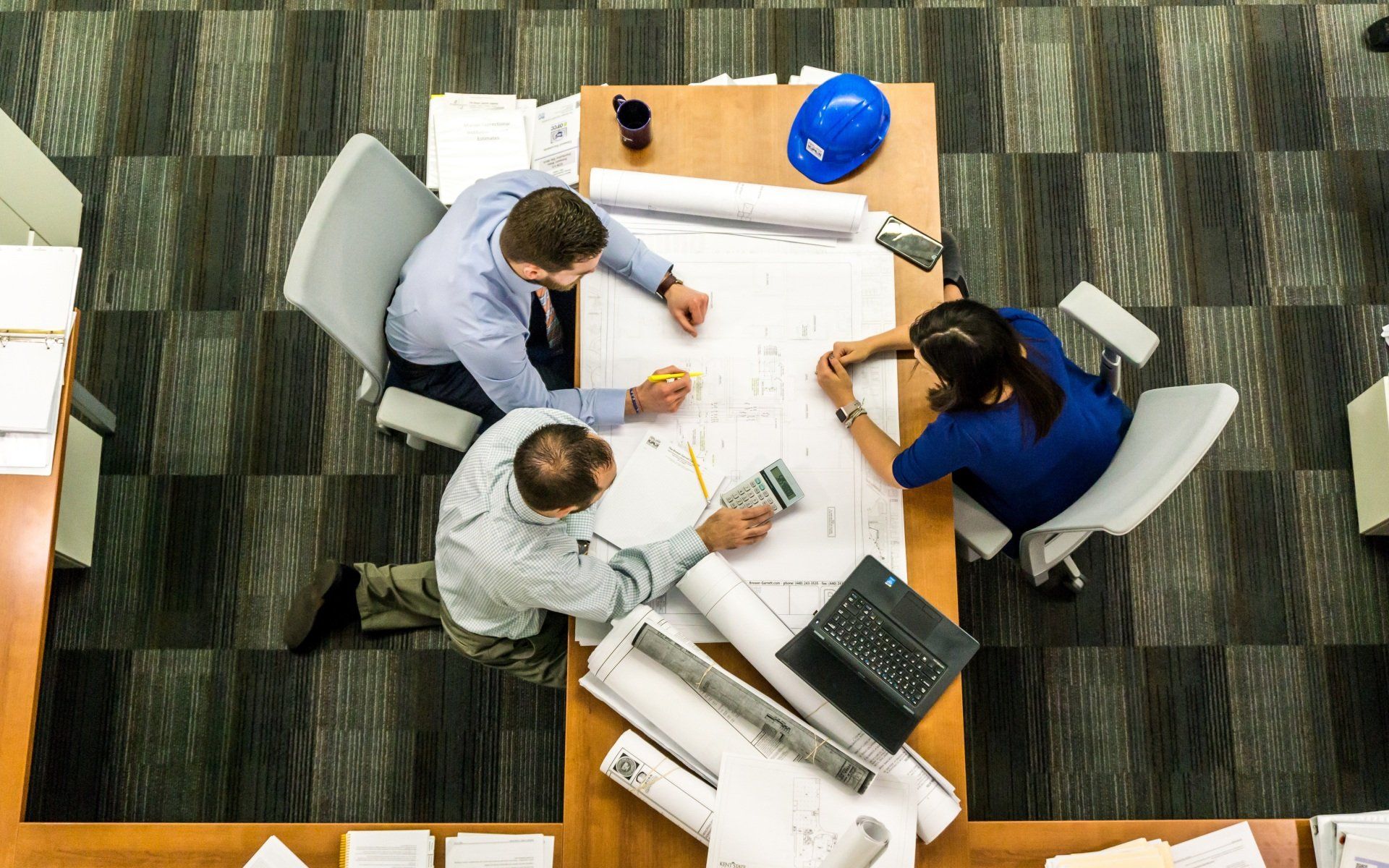
Stay involved throughout the build without micromanaging your team. Scheduled walkthroughs at key construction milestones are a great way to catch concerns early and maintain good communication with your builder. A good builder will welcome this; it builds trust and helps manage expectations on both sides.
When it comes to financing, Bob Fabian can be a valuable resource for understanding what loan products make sense for your situation, how to structure your financing so it doesn't create problems during the build, and what to expect as you transition from a construction loan to a permanent mortgage at closing.
Building a custom home in NC is one of the most significant financial commitments most people will ever make. Approaching it with the right team, the right preparation, and the right professionals by your side from your builder to your lender makes all the difference between a process that feels chaotic and one that leads you confidently to the home you've always wanted.
The Dream Is Worth the Work
Building your dream home isn't a passive experience. It asks something of you your time, your attention, your decisions, and your commitment to seeing the process through even when things get complicated. But for families who go into it prepared, the result is something no resale home can match: a space designed entirely around your life, built exactly the way you wanted it, on land that's yours.
From establishing your vision and choosing your property, to working through construction and celebrating the finishing touches, every stage of the journey has value. Bob Fabian and the professionals he works alongside understand what's at stake for the families they serve and that kind of expertise and personal attention can make the difference when you're navigating one of the biggest decisions of your life.
If you're ready to start exploring what building in North Carolina could look like for your family, the best first step is simply a conversation. Do the groundwork, ask the hard questions, and trust the process. Your dream home is closer than you think.