Dirt to Doorstep: A Simple Breakdown of the Build Process in AZ
Building a custom home in Arizona can feel overwhelming if you've never done it before. From purchasing raw land to standing in your finished living room on move in day, there are dozens of moving parts, people, and decisions involved. Bob Fabian has guided homeowners through this journey countless times and offers a single close construction loan to simplify the financing side from day one. The process, while complex, follows a clear, logical sequence. Here's a straightforward breakdown of what to expect from dirt to doorstep.
It Starts with the Land
Before construction begins, everything hinges on what your land can actually support. Site evaluation is the critical first step, and it involves far more than just liking the view. The builder and his team assess soil conditions, drainage patterns, flood zones, slope, and how utilities will reach the site. In Arizona, caliche layers, expansive soils, and proximity to desert wash flood zones can significantly affect your building permit timeline and your overall budget.
Once the land clears evaluation, your project moves into the pre construction phase permits, engineering, and planning. Floor plans get finalized, structural drawings are submitted, and the county or municipality issues approval before a single shovel hits the ground.
Breaking Ground and Site Prep
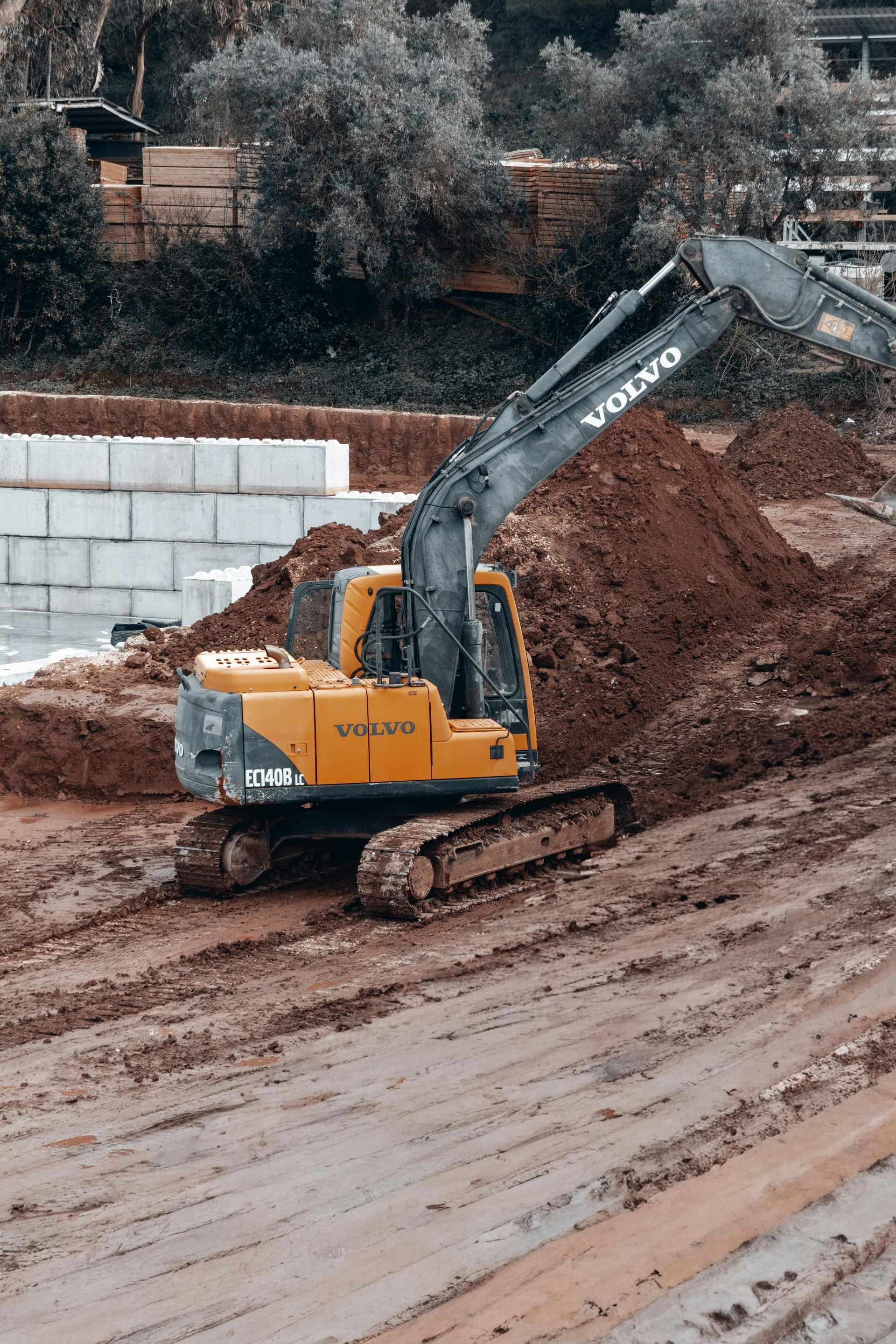
Site prep is where your new home officially begins. Vegetation is cleared, the lot is graded, and drain lines are roughed in to manage water runoff. In Arizona, monsoon season brings intense, fast-moving storms that can cause significant erosion and flooding on unprotected lots, making proper grading and drainage critical from the start. Weather delays during the summer monsoon window are a real factor, so your schedule needs built-in flexibility at this stage.
After grading, the foundation is formed and poured. Arizona's soil conditions often require engineered foundations to address expansive clay or caliche, and once the concrete cures and inspections are passed, construction begins in earnest.
Framing: Watching Your Home Take Shape
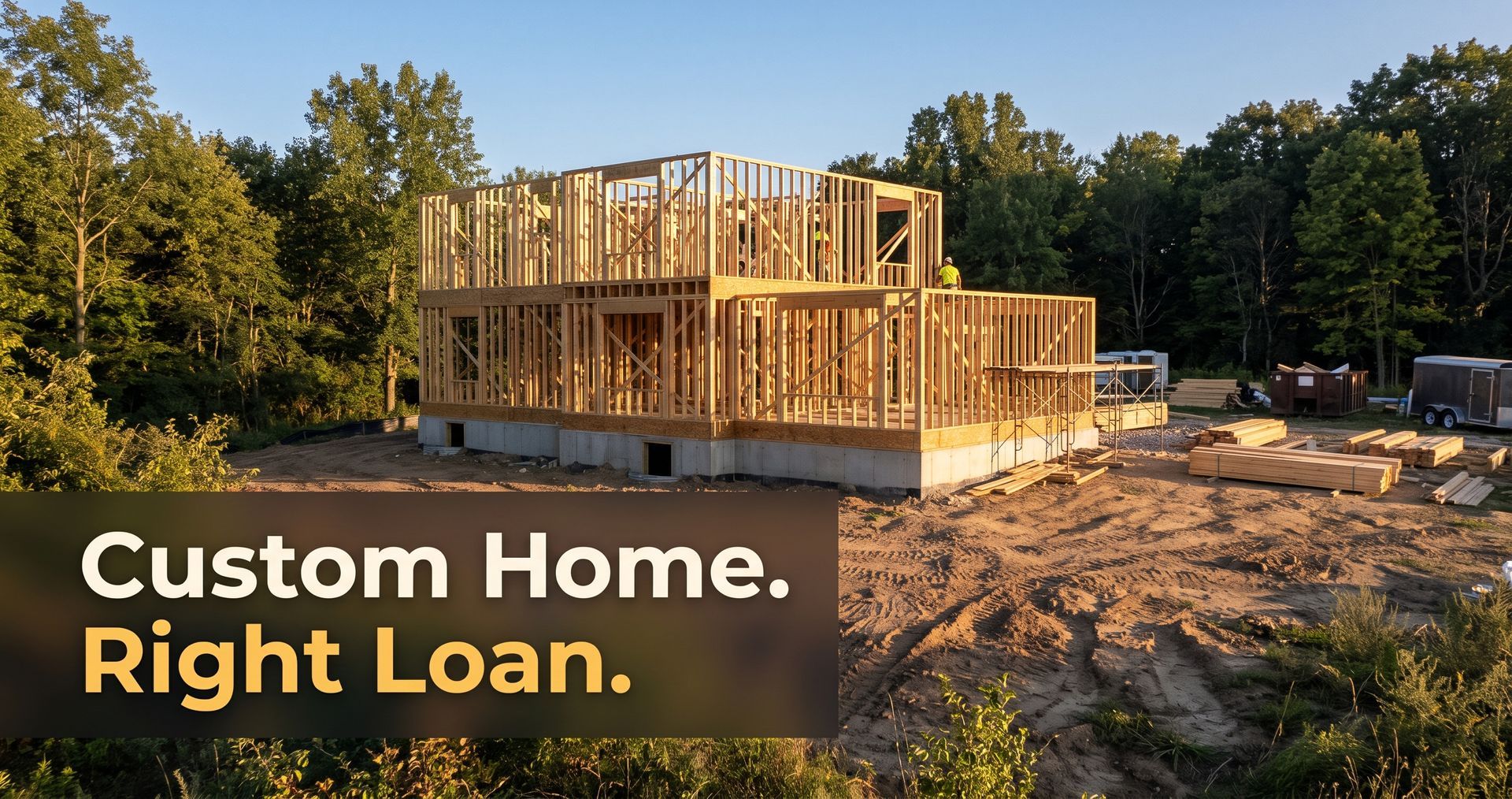
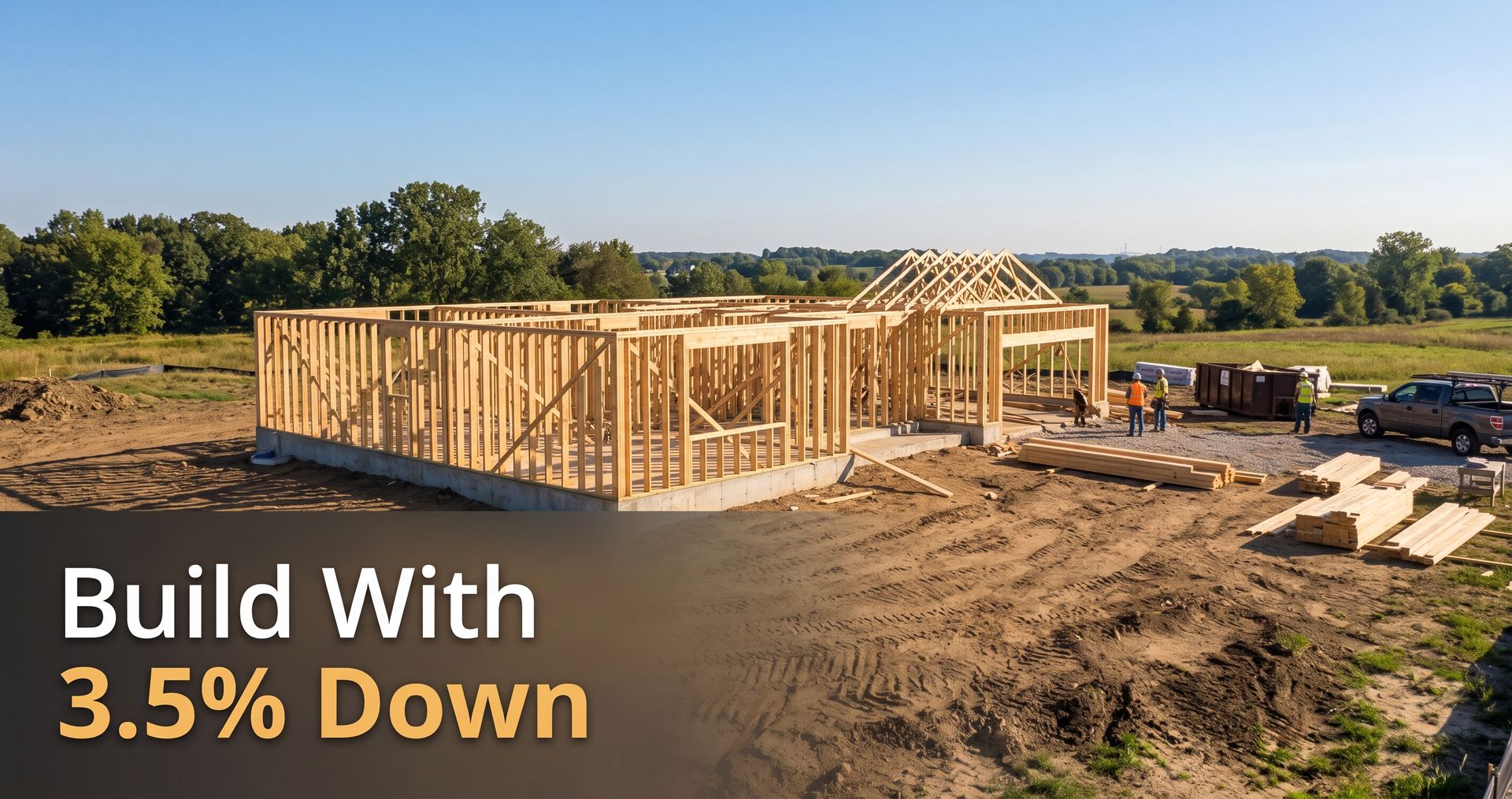
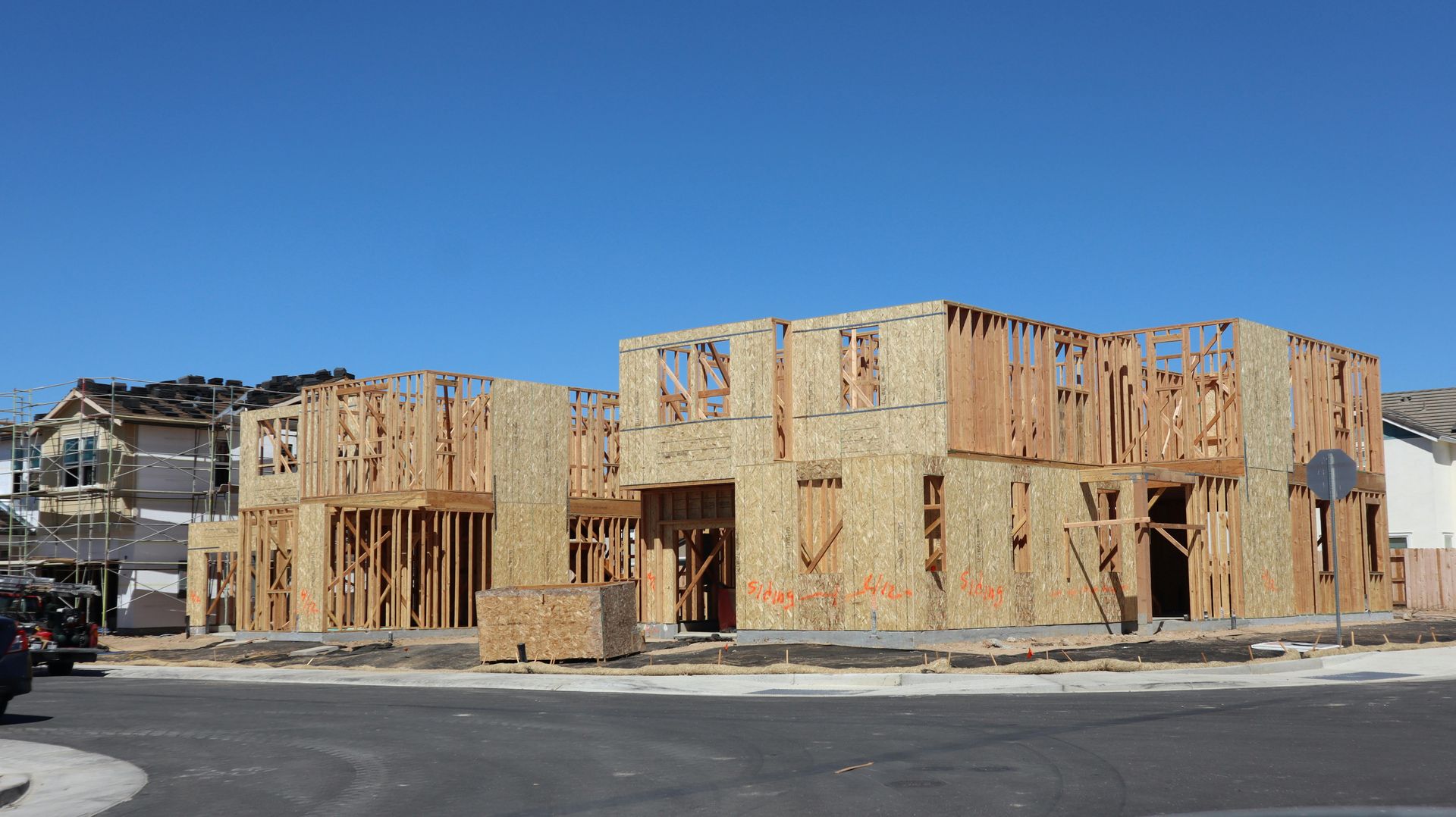
There's nothing quite like watching the walls go up for the first time. Framing crews move quickly, and within a matter of weeks a house that existed only on paper starts to take shape in three dimensions. The roof structure goes on, exterior sheathing is applied, and suddenly you can walk through rooms, stand in doorways, and feel the scale of your dream home becoming real.
This is a great time to visit the site often. Bob Fabian encourages homeowners to walk the project regularly during framing so that any layout questions or changes can be addressed before they become costly problems.
Rough-Ins: The Systems Inside the Walls
Once the frame is up, the three trades move in: plumbing, electrical, and HVAC. These are the rough ins all the pipes, wires, and ductwork that disappear behind your walls and floors. Licensed subcontractors handle each system, and they have to work closely together to avoid conflicts inside tight framing bays.
Plumbing fixtures aren't installed yet at this stage just the rough plumbing supply and drain lines. Mechanical systems get framed into place, and electrical panels and boxes are roughed in. In Arizona, cooling capacity is just as critical as heating, so HVAC planning during rough ins needs to account for the extreme summer heat loads that custom builds in the desert face. After each trade completes their work, inspections are required before the project can move forward.
Insulation and Drywall
With rough ins approved, insulation goes in and drywall follows. This is the stage where your home starts to feel like an actual living space rather than a skeleton. Walls become rooms. Ceilings close in. The building goes quiet in a new way.
In Arizona, insulation plays a dual role keeping the brutal summer heat out and the cool air in. Spray foam and radiant barriers are common in custom builds here, helping homeowners manage energy costs year-round. Drywall is taped, floated, and sanded, and once that dust settles, the finish work begins.
Interior Finishes: Where the Details Live
Interior finishes are where your personal choices come to life. Flooring, cabinetry, trim, paint, hardware, tile all of it comes together in a relatively short window of time, but it requires tight scheduling. Materials need to be on site before crews arrive, and delays in one finish trade can ripple into others.
This is one of the most exciting stages for homeowners, and also one where budget overruns can sneak up if selections weren't locked in early. Bob Fabian and his team help clients plan finish selections well in advance to keep the schedule clean and costs predictable.
Exterior Finishes and Landscaping
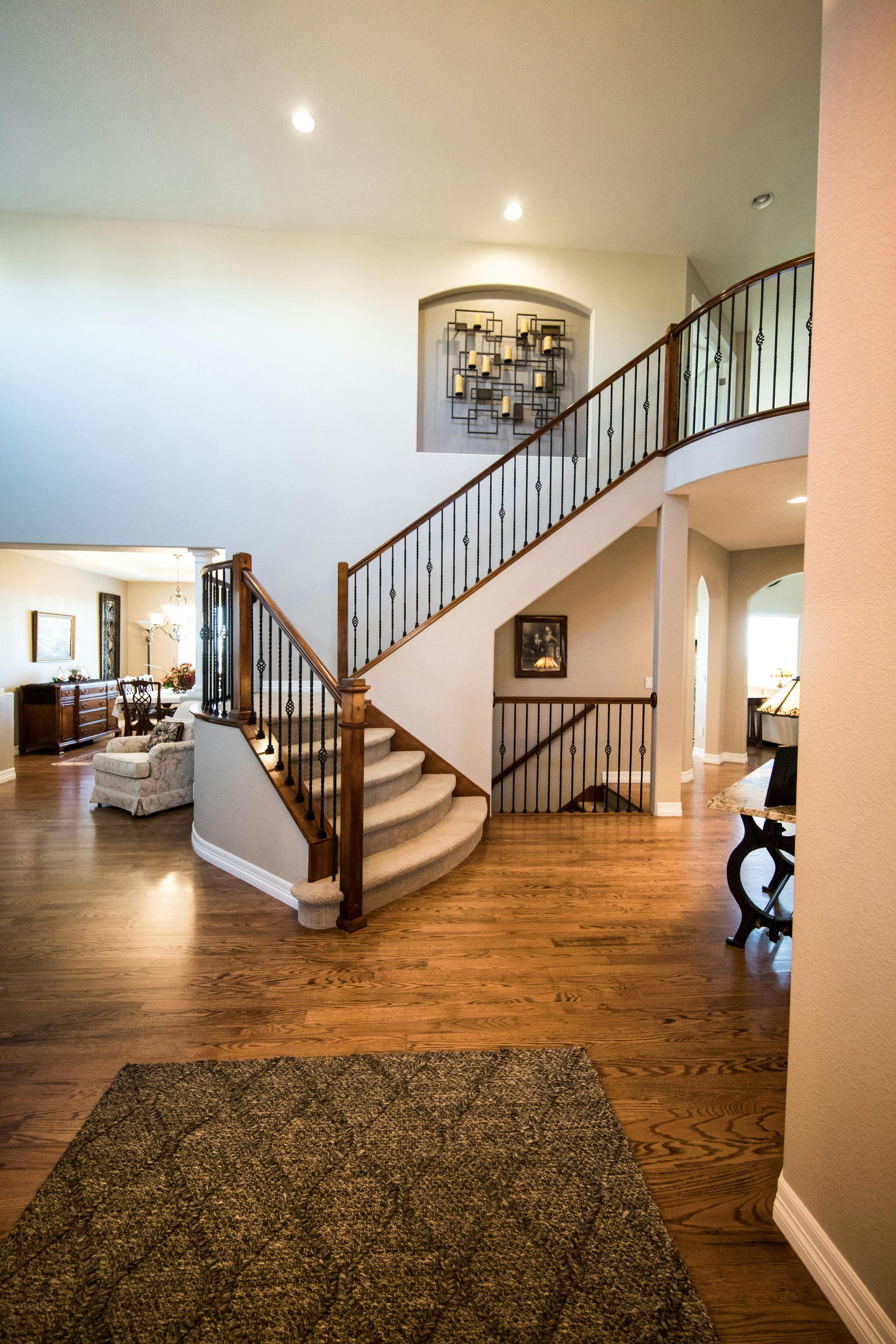
While interior crews are finishing up inside, exterior painting, stucco, stonework, and final grading are wrapping up outside. Driveways are poured, walkways are formed, and the site transitions from a construction zone into something that actually looks like a home.
In Arizona, the exterior has to stand up to intense UV exposure, extreme heat, and monsoon-driven moisture, so material choices during custom builds matter for long-term durability not just curb appeal. Stucco is the dominant exterior finish across the state for good reason, offering both thermal mass and weather resistance in the desert climate.
Final Inspections and the Punch List
Before a certificate of occupancy is issued, the home goes through final inspections covering every system and trade. Once those pass, it's time for the final walkthrough a detailed walk through the home with your builder to create the punch list. This is the document that captures anything incomplete, damaged, or not quite right that needs to be addressed before closing.
Bob Fabian takes the punch list seriously. No homeowner should move into a home with outstanding issues, and a thorough walkthrough is the best protection against discovering problems after you're already settled in.
Move In Day
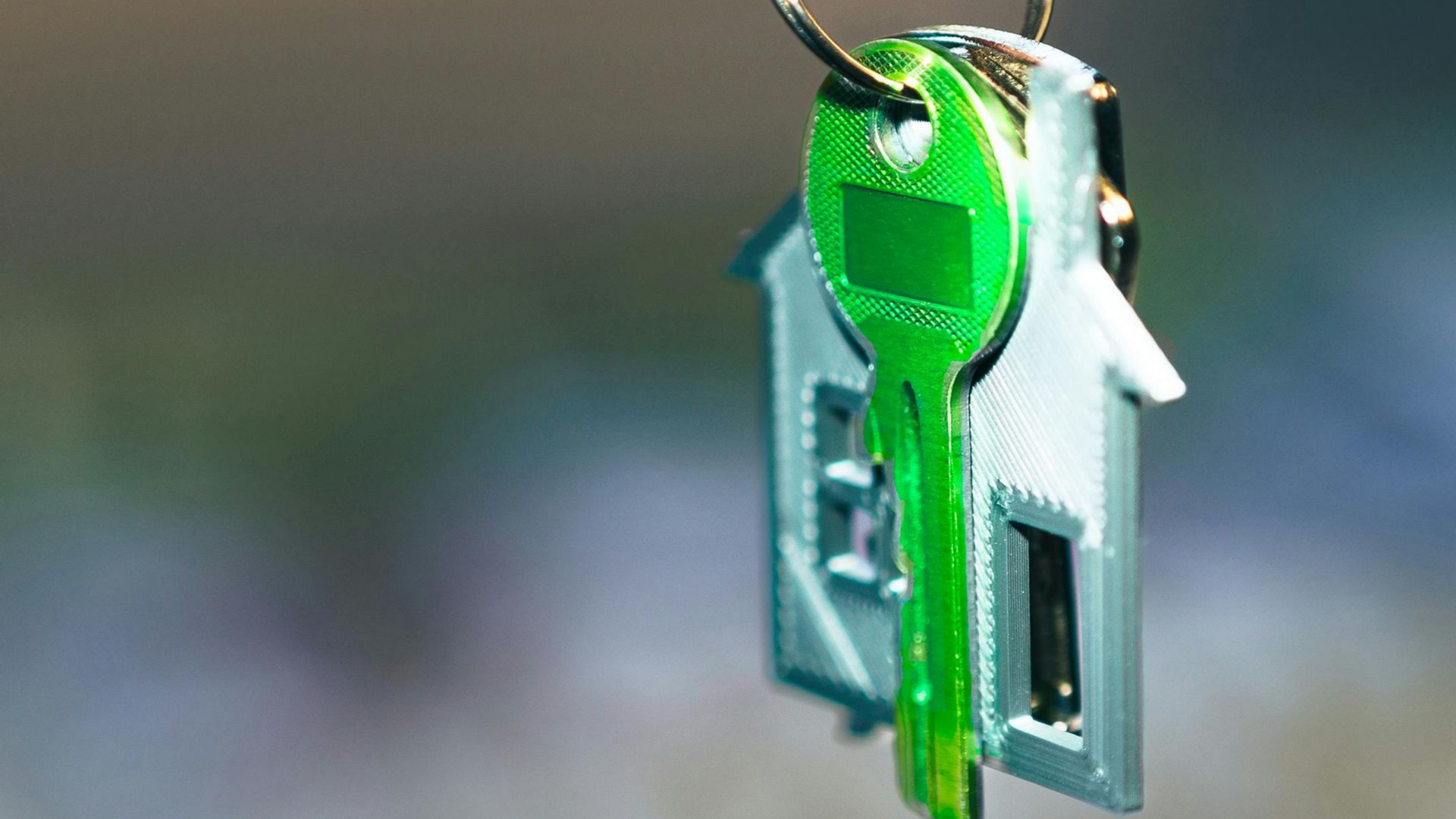
With the punch list complete and the certificate of occupancy in hand, move in day arrives. The dirt that once defined your lot is now a foundation beneath your feet. From site evaluation to the final walk, building a custom home in Arizona is a process that rewards patience, communication, and the right team.
If you're thinking about starting your own journey from dirt to doorstep, reach out to Bob Fabian and ask about the single close construction loan option that keeps your financing as streamlined as your build.