Construction Loan Myths Florida: What Homebuyers Need to Know

Building a home in Flordia is an exciting path to your dream home, but it comes with a lot of misinformation floating around. Whether you're looking to break ground on a lot you already own or planning to purchase land and start from scratch, understanding how construction loans actually work can save you time, money, and unnecessary stress. Bob Fabian, a mortgage originator serving Florida homebuyers, spends a lot of his time clearing up misconceptions about construction financing so borrowers can move forward with confidence instead of confusion.
Below, we're breaking down some of the most common construction loan myths in Florida and replacing them with the facts you need to make smart decisions about your home building process.
Myth 1: A Construction Loan Is the Same as a Traditional Mortgage
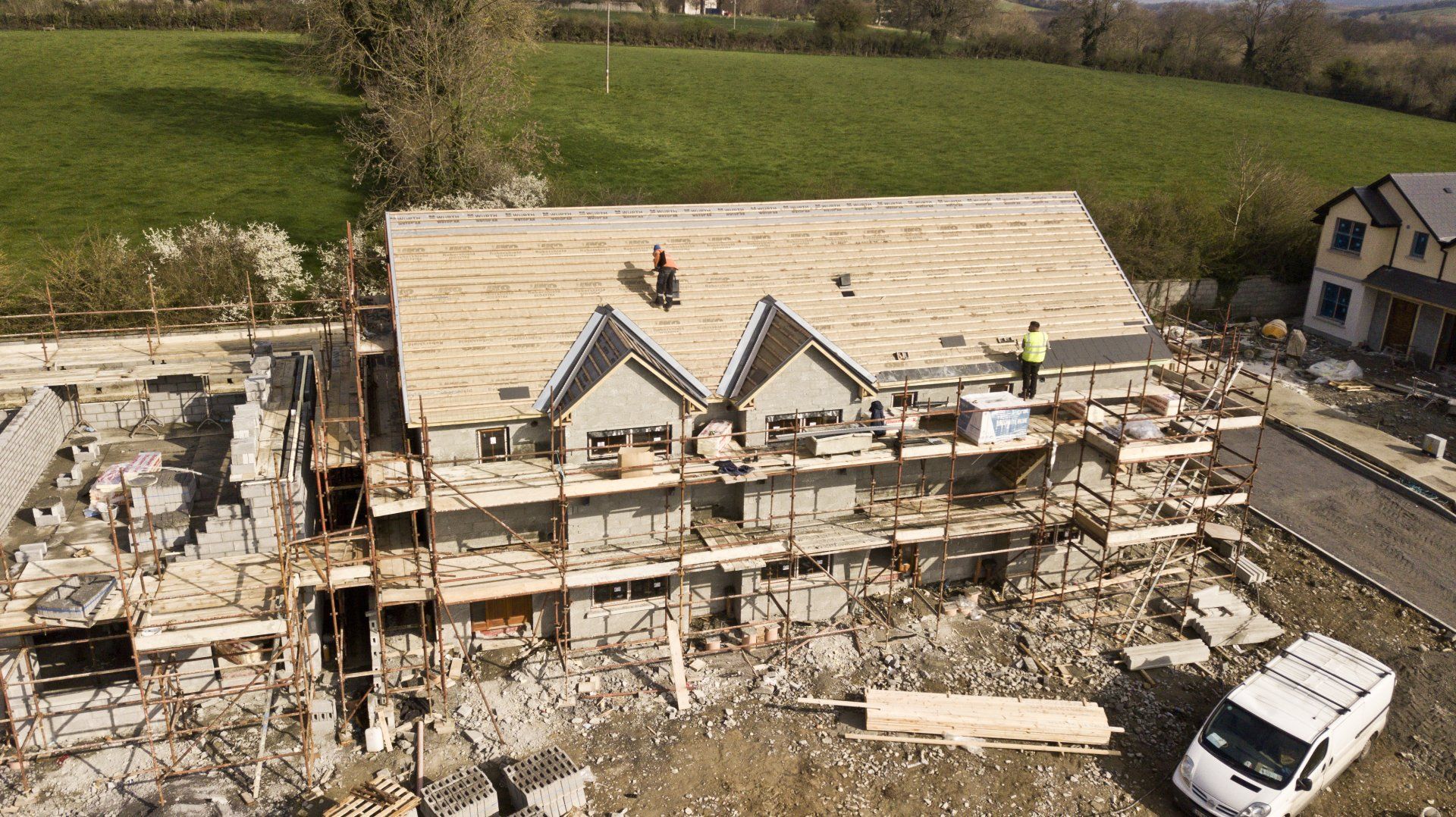
One of the biggest misunderstandings borrowers have is assuming a construction loan works just like a traditional mortgage. It doesn't. A traditional mortgage is used to purchase an existing home in one lump sum, with the full loan amount disbursed at closing. Construction loans work differently. Instead of receiving all the funds upfront, the money is released in stages through draw requests as construction progresses.
Bob Fabian often explains to clients that construction loans involve a completely different process than what most people are used to. There's more documentation, more risk for the lender, and a different repayment structure during the construction phase. Understanding this distinction upfront helps borrowers set realistic expectations about timelines and paperwork.
Myth 2: You'll Need Two Separate Loans and Two Closings
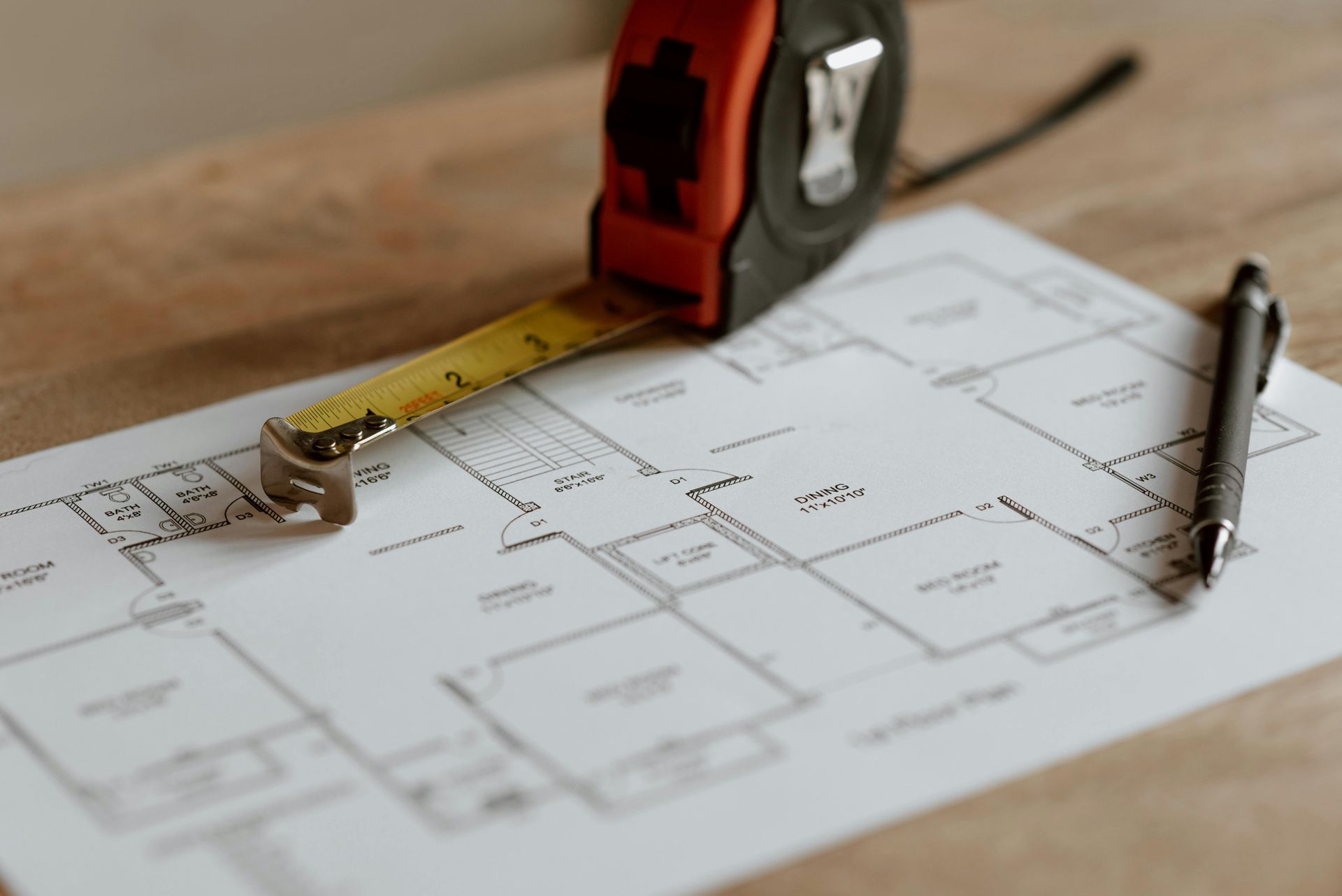
Many people assume that building a home requires securing one loan for construction and a completely different loan for the permanent mortgage once the home is finished, meaning two separate closings, two sets of closing costs, and two rounds of loan approval. While this used to be more common, it's not the only option available today.
A construction to permanent loan combines both stages into one, allowing borrowers to close once and have the loan convert automatically into permanent financing once work is completed. This one closing structure can significantly reduce closing costs and simplify the entire experience. Bob Fabian frequently guides borrowers toward this loan type because it reduces the hassle of a second loan application and a second round of underwriting.
Myth 3: You Make the Same Payments You Would With a Regular Mortgage
Another common myth is that loan payments during construction mirror those of a permanent mortgage. In reality, most construction loans require interest only payments during the construction period. Borrowers are typically only paying interest on the funds that have actually been drawn, not on the full loan amount.
Once construction is finished and the loan converts to a permanent loan, payments shift to include both principal and interest payments like a standard mortgage. This is a critical detail Bob Fabian makes sure every client understands, since monthly payments during construction are usually much lower than what borrowers will pay once the permanent mortgage begins.
Myth 4: Construction Loans Require a Huge Down Payment
There's a widespread belief that construction loans always demand a massive down payment, scaring off potential borrowers before they even explore their options. While down payment requirements can vary by financial institutions and loan type, they aren't automatically higher than what you'd expect with other financing.
Depending on your credit, income, and the lender you work with, there are programs offering lower down payments than borrowers assume. Bob Fabian works with a variety of financial institutions and can help match borrowers with construction financing options that fit their budget, rather than assuming the worst case scenario applies to everyone.
Myth 5: Any Lender Can Handle Your Construction Loan the Same Way
Not all lenders and financial institutions treat construction loans equally. Because construction projects carry more risk than a loan on an existing home, most lenders have specific requirements around builder qualifications, draw schedules, and inspections tied to a title company before funds are released.
Some lenders are simply better equipped to handle the construction loan process smoothly. Bob Fabian has experience navigating the nuances of construction financing across Florida and understands how different lenders structure their draw requests, inspections, and paperwork. Working with someone who understands this process from the ground up can prevent delays once construction begins.
Myth 6: The Builder Handles All the Financing Details
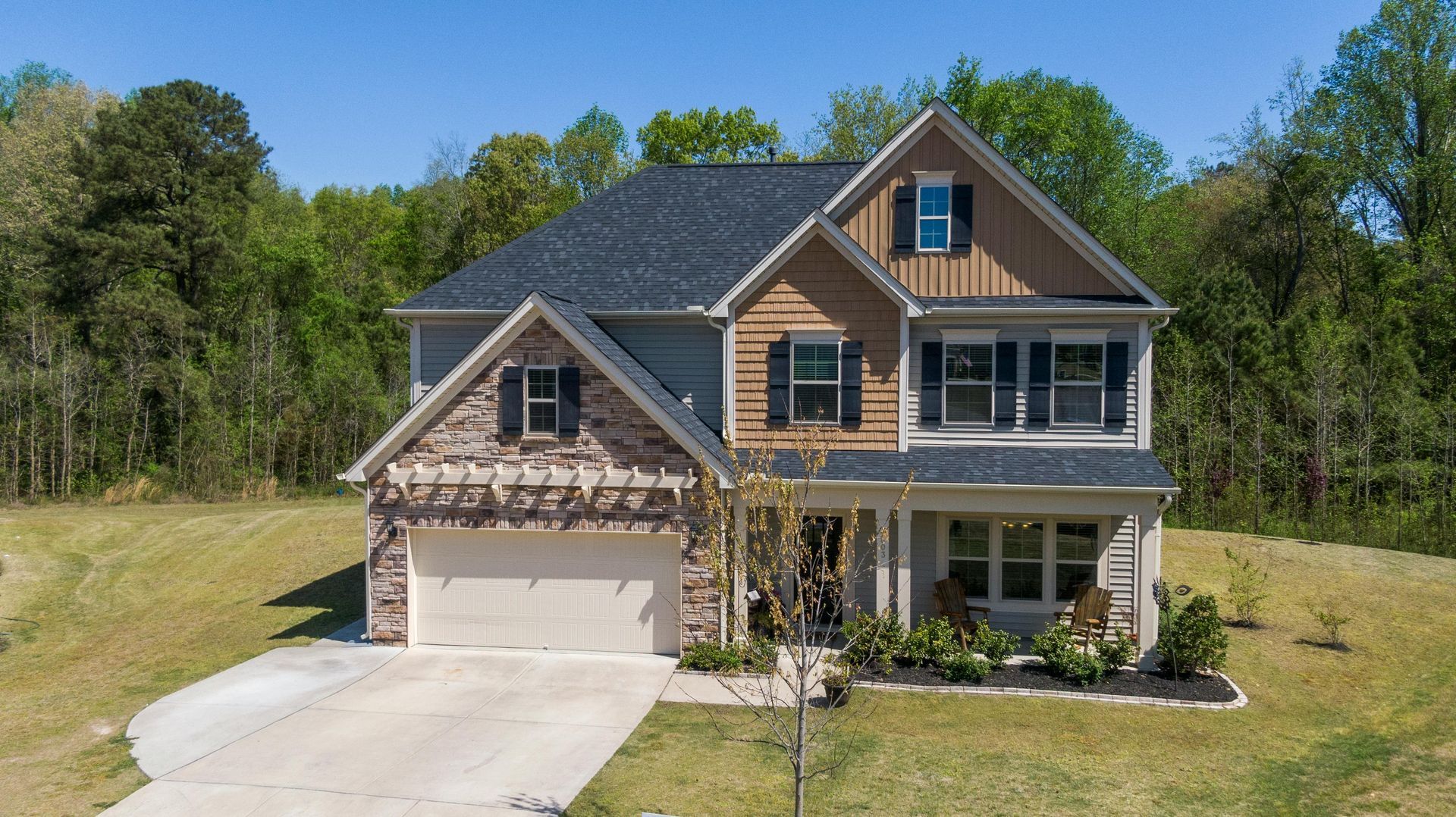
It's easy to assume your builder will manage everything related to your loan, but that's not accurate. Professional builders are focused on managing the construction process itself, from scheduling subcontractors to ensuring construction costs stay on budget. Financing, loan applications, and coordinating draw requests with the title company fall under the mortgage side of the transaction.
Bob Fabian works alongside builders rather than replacing their role, making sure the financial pieces of the project align with the construction timeline. Other builders may have relationships with certain lenders, but borrowers still need a dedicated mortgage originator to guide them through loan approval, documentation, and the specifics of their construction loan.
Myth 7: Interest Rates Are Always Higher for Construction Loans
Rates on construction loans can vary, but many borrowers assume they're automatically stuck with higher interest rates simply because they're building instead of buying. While construction financing sometimes carries slightly different pricing due to the added risk during the construction period, that doesn't mean rates are unreasonable.
Many Florida borrowers are pleasantly surprised to find competitive rates available, especially when using a construction to permanent loan structure. Bob Fabian stays current on interest rates across multiple financial institutions, helping borrowers avoid overpaying simply because they assumed building meant automatically paying more.
Myth 8: You Can't Use a Construction Loan If You Don't Already Own the Land
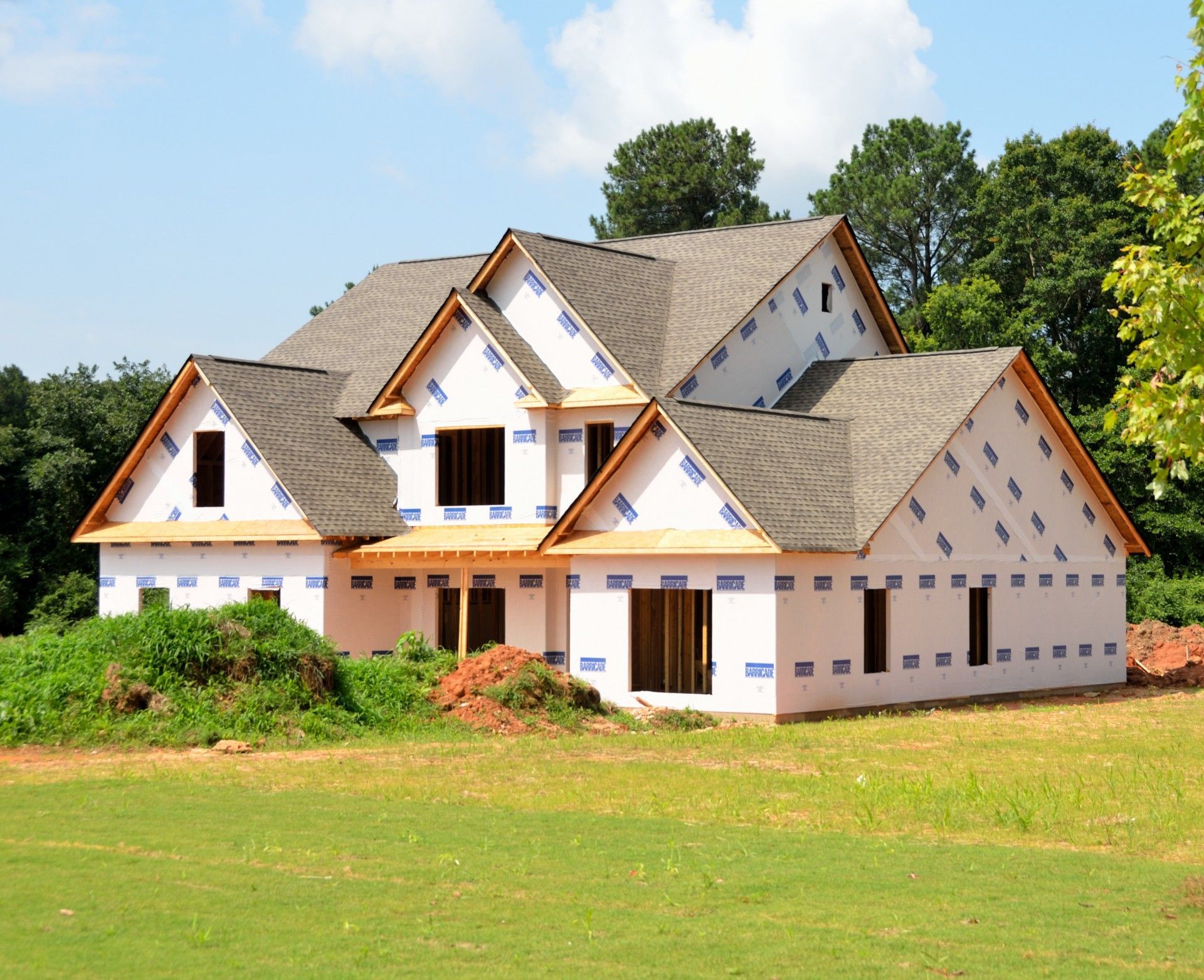
Some borrowers believe they need to already own their land outright before they can even apply for a construction loan. In reality, many lenders allow borrowers to purchase land as part of the overall financing package. There are also lot loans available specifically designed to help borrowers acquire land before they're ready to break ground.
This flexibility means you don't have to delay your home building process while saving separately to purchase land. Bob Fabian can walk you through how a lot loan might fit into your overall financing strategy, especially if you're still finalizing plans for your new construction project.
Myth 9: Any Unused Funds Are Lost Once Construction Is Finished
Borrowers sometimes worry that if their construction loan doesn't use every dollar, that money simply disappears. In most cases, unused funds are applied toward the loan balance once the loan converts to a permanent mortgage, reducing what you owe going forward rather than vanishing.
Additionally, some borrowers refinance once their permanent loan is in place, particularly if interest rates have shifted favorably since their construction period began. Understanding how unused funds and refinancing options work can make a meaningful difference in long-term costs.
Building Your Dream Home Doesn't Have to Be Confusing
Construction financing has a reputation for being complicated, but with the right guidance, the construction loan process doesn't have to feel overwhelming. From understanding draw schedules and closing costs to knowing when a construction to permanent loan makes sense, having an experienced mortgage originator on your side makes all the difference.
Bob Fabian has helped countless Florida borrowers move from confusion to clarity when it comes to financing their construction projects. If you're ready to separate fact from fiction and start your home building process with confidence, reaching out to Bob Fabian is a smart first step toward turning your vision into your own home.

Navigating construction financing in Florida doesn't have to feel like guesswork. From the difference between construction loans and a traditional mortgage, to how interest only payments shift into principal and interest payments once your permanent mortgage begins, having accurate information changes everything about how you approach your home building process. Whether you're still trying to purchase land, weighing a lot loan, or ready to explore a construction to permanent loan, the right guidance can help you avoid costly missteps and unnecessary delays.
Bob Fabian brings the kind of hands on experience Florida borrowers need to move through the construction loan process with clarity, connecting the dots between builders, financial institutions, and the paperwork that ties it all together. If you're ready to stop relying on assumptions and start building on facts, Bob Fabian is ready to help you take that next step toward your dream home.