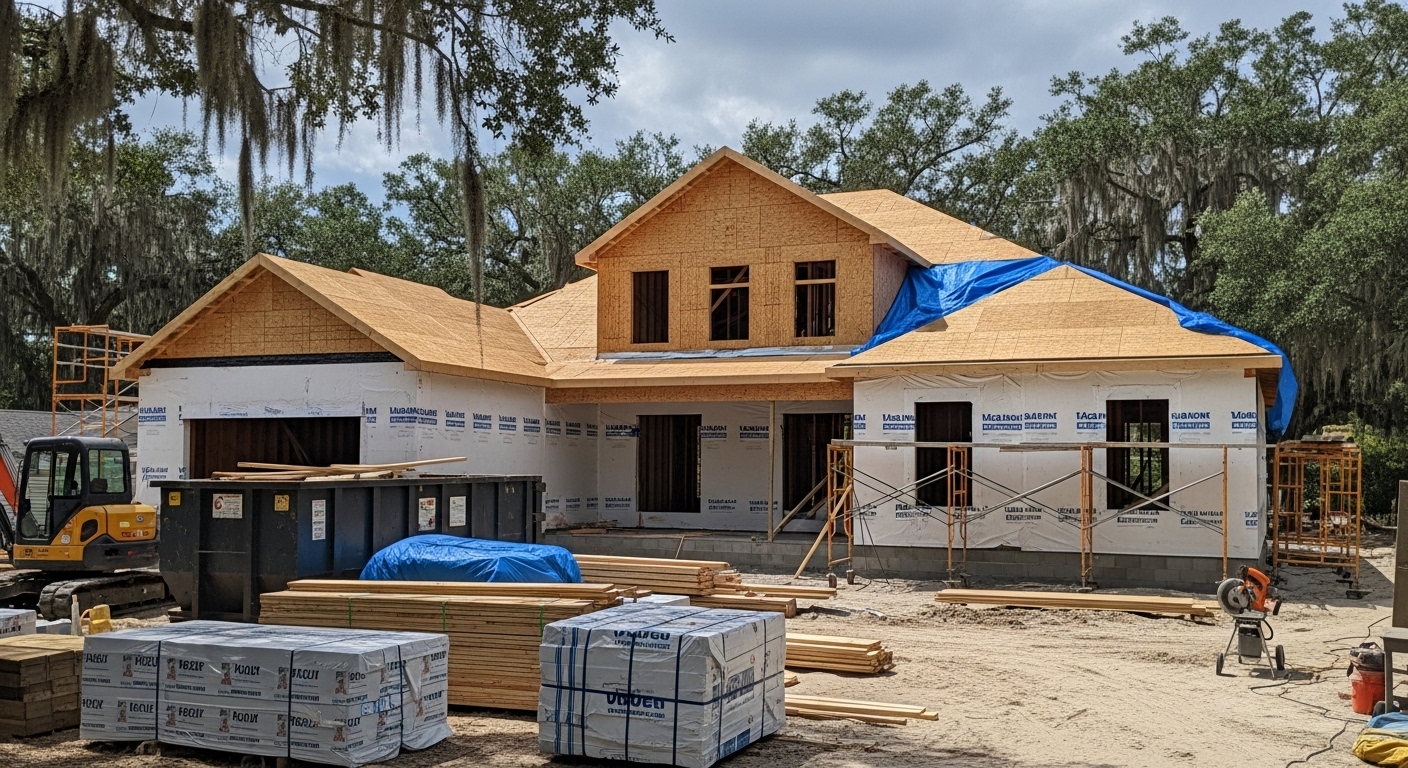
Purchase Price vs. Total Cost: The Math Nobody Shows You in Florida
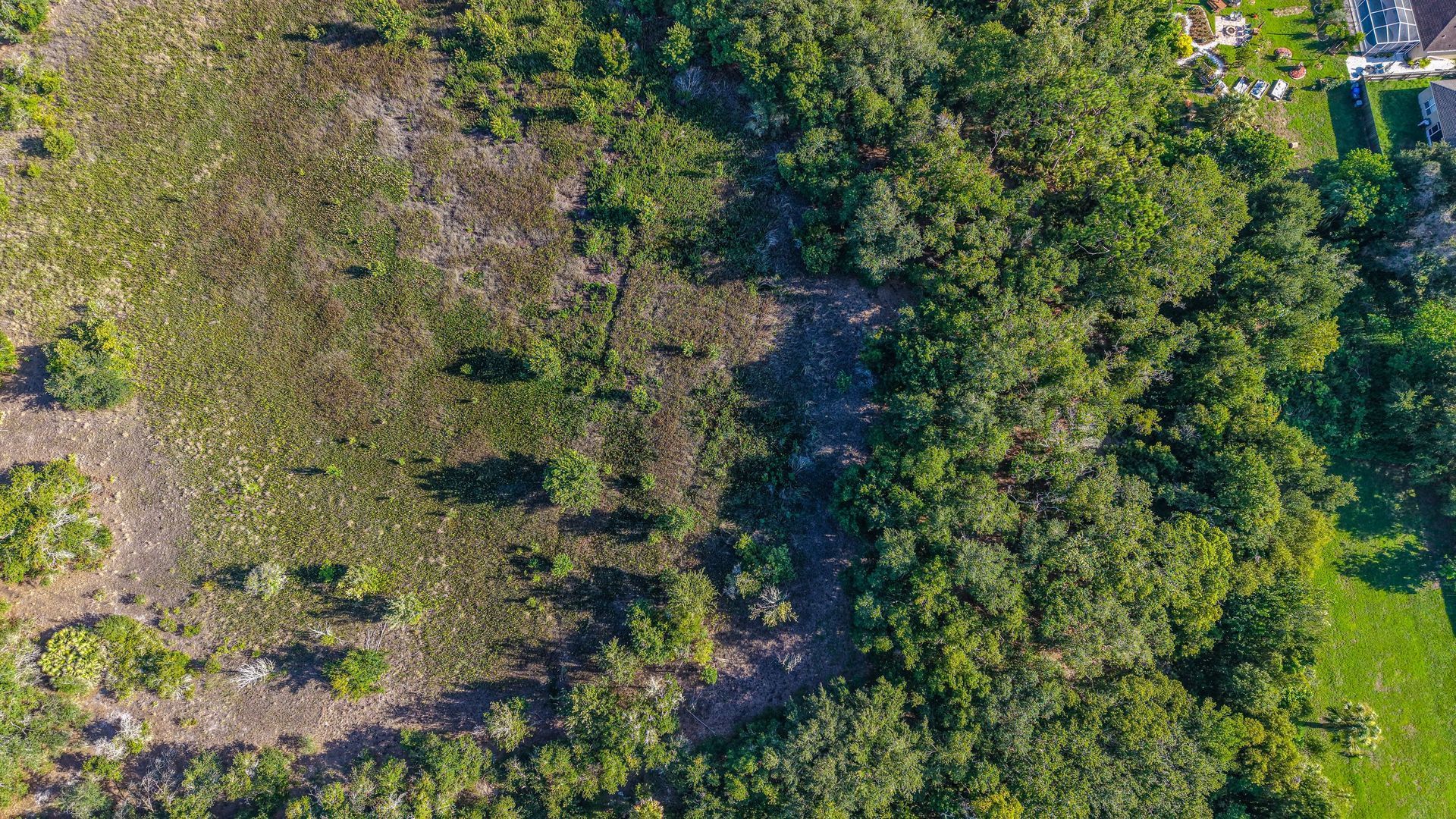
A buyer in Florida recently told Bob Fabian he'd found "the deal of the century" a resale home $40,000 under builder pricing in the same area. Eight months later, that same buyer was replacing a 15 year old AC unit mid August and dealing with a homeowners insurance renewal that had jumped because the roof didn't meet current wind mitigation standards.
That's the story Bob Fabian tells clients when they ask him whether building is "worth the extra money." It usually isn't the extra money people think it is. It's just money that shows up at a different time and in Florida, often in the form of an insurance bill.
Why Purchase Price Is the Wrong Starting Point
Purchase price is the easiest number to compare, which is exactly why it's the number most buyers anchor on. But comparing purchase price alone is like comparing two used cars by sticker price without asking about the engine. Bob Fabian, a mortgage originator at Sistar Mortgage, works with buyers on both sides of this decision every week, and the pattern is consistent: the home with the lower purchase price rarely stays the cheaper option for long.
What Florida Adds to the Equation: Insurance, AC, and Roof Age
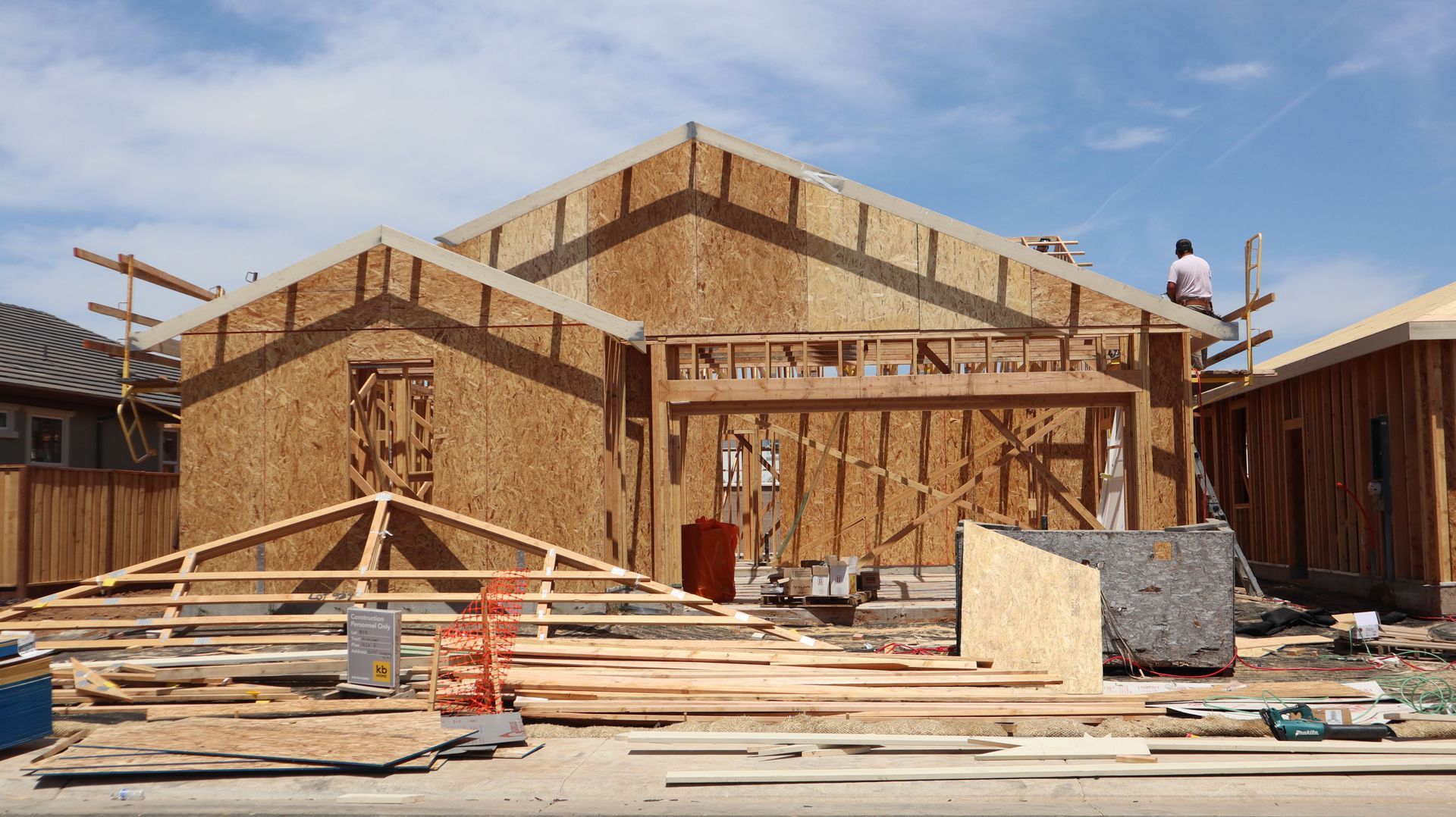
Florida buyers carry a cost variable that a lot of other states don't factor in the same way: insurance. Older resale homes often carry aging roofs, outdated AC systems, and construction that predates current wind mitigation and hurricane codes all of which drive up homeowners insurance premiums, sometimes dramatically. New construction is typically built to current Florida building code, which can mean lower insurance costs and a lower risk of storm damage. That's not a cosmetic upgrade it's a recurring cost that shows up on every renewal notice.
The Real Comparison: Total Cost, Not Sticker Price
Total cost includes the purchase price, plus financing terms, plus what the home will actually cost to insure, cool, and maintain over the next 5 to 10 years. Roof age, AC age, wind mitigation features, and change orders on a new build all belong in that math not just the number on the offer sheet. Bob Fabian walks buyers through this comparison directly, because a lender who only talks about the loan amount isn't giving the full picture of what a buyer is signing up for.
Where Change Orders and Lot Premiums Actually Fit In
New construction does come with costs resale doesn't: lot premiums, upgraded finishes, and change orders during the build. These are real, and Bob Fabian doesn't sugarcoat them with clients. But these costs buy something specific control over layout, finishes, and systems from day one, instead of inheriting someone else's roof, someone else's AC unit, and someone else's insurance history.
Land Equity Can Change the Math Again
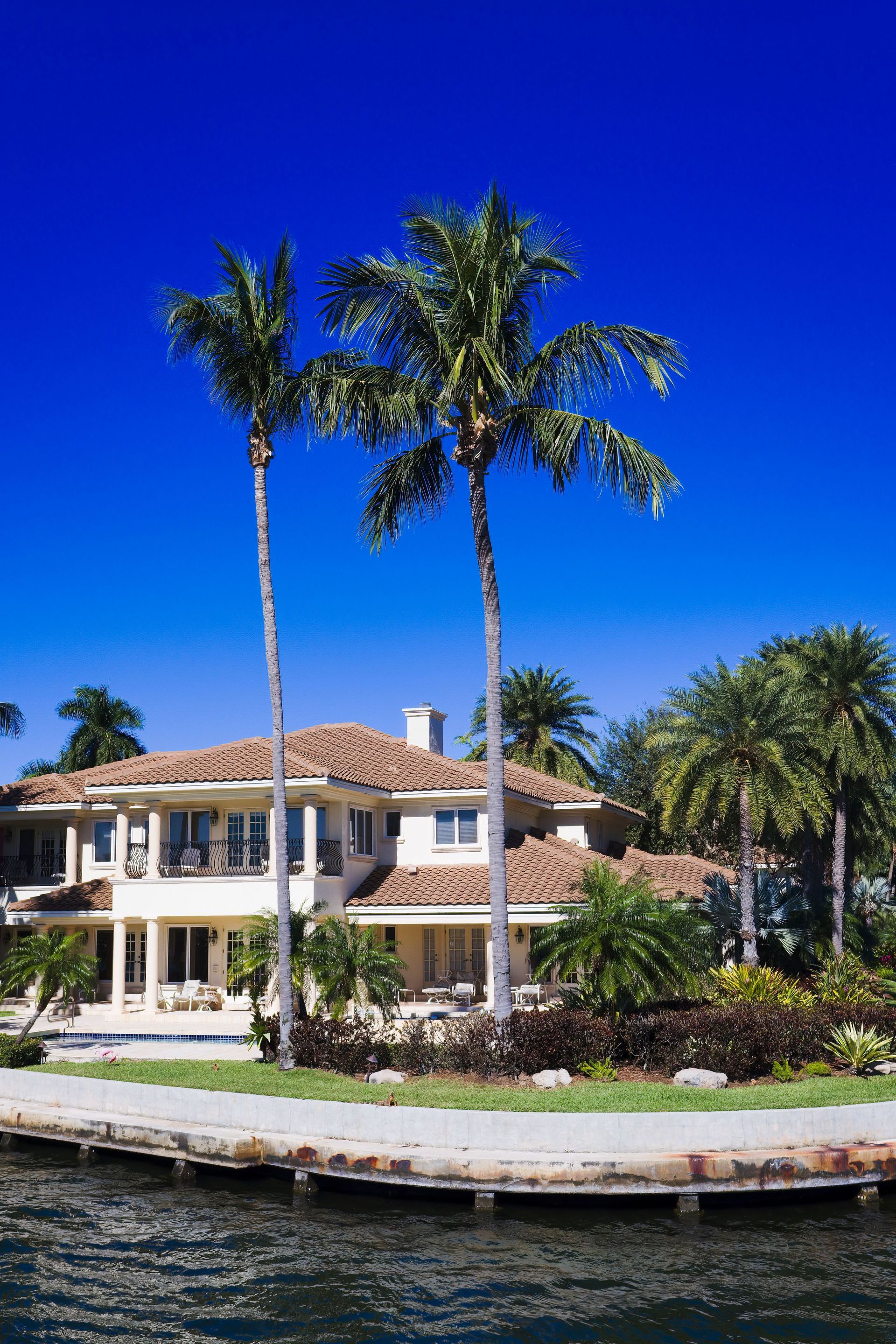
For Florida buyers who already own land or have equity built up in a property, that equity can often be applied toward the down payment on a construction loan, reducing the cash needed upfront. This is one of the more overlooked levers in the build vs buy decision, and it's a conversation Bob Fabian has regularly with clients who assume building requires more cash on hand than buying does. Sometimes it requires less.

The Question Bob Fabian Asks Every Client
Bob Fabian doesn't ask clients "can you afford this house." He asks, "what are you actually paying for?" A lower purchase price that comes with a surprise AC replacement and a spiked insurance premium in year one isn't actually cheaper. A higher purchase price that comes with fewer surprises, lower insurance costs, and a home built to current Florida hurricane codes might be the better financial decision, even though it doesn't look that way on the offer sheet.
Getting the Full Picture Before You Decide
Buyers don't need to choose between building and buying based on price alone they need someone to run the actual numbers on both paths. That's the role Bob Fabian plays: not selecting the builder, not managing the construction, but making sure the financing and the total cost comparison are clear before a buyer commits either way. If you're weighing a resale purchase against building in Florida, that's a conversation worth having before you sign anything.