Why More South Carolina Families Are Building New Homes
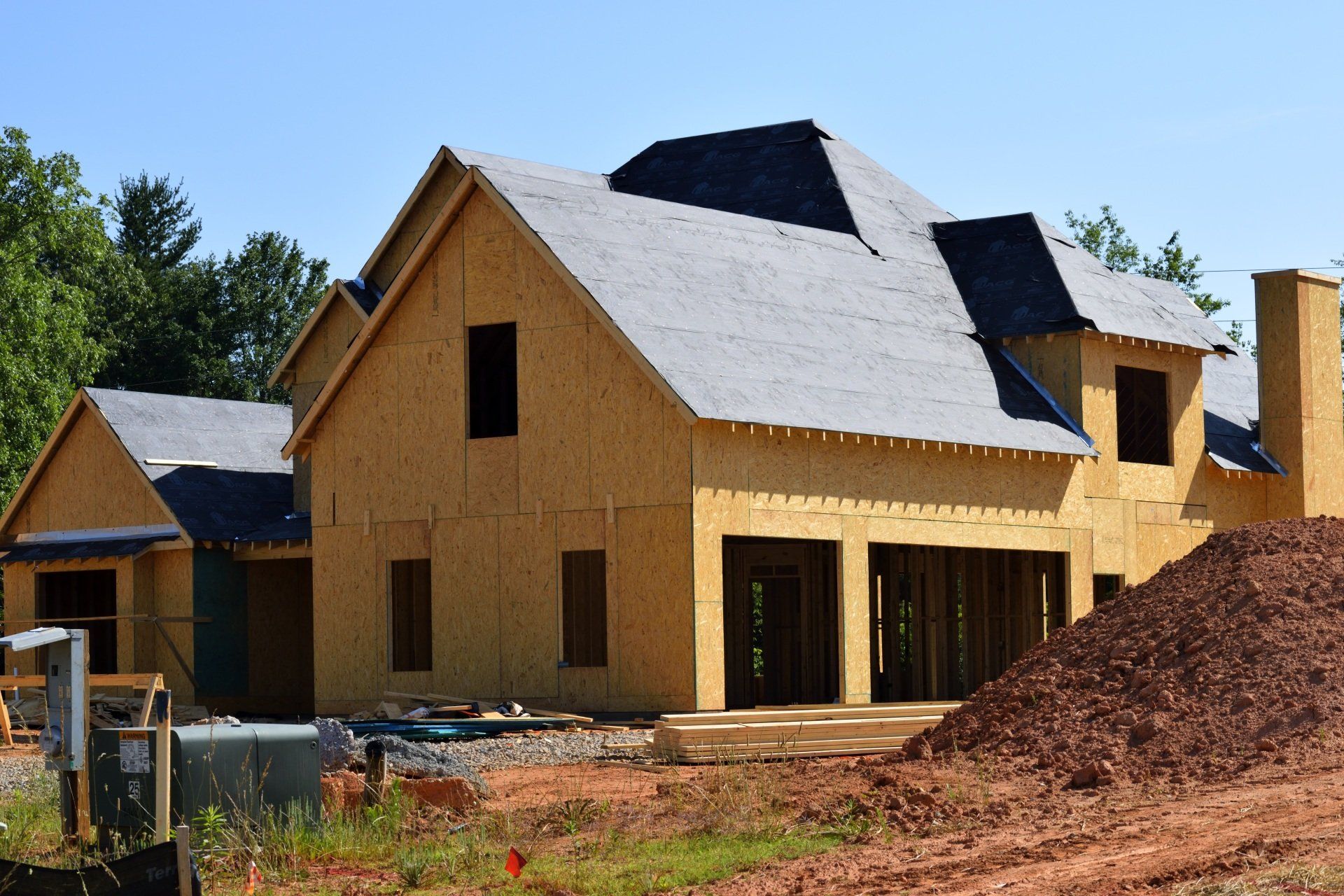
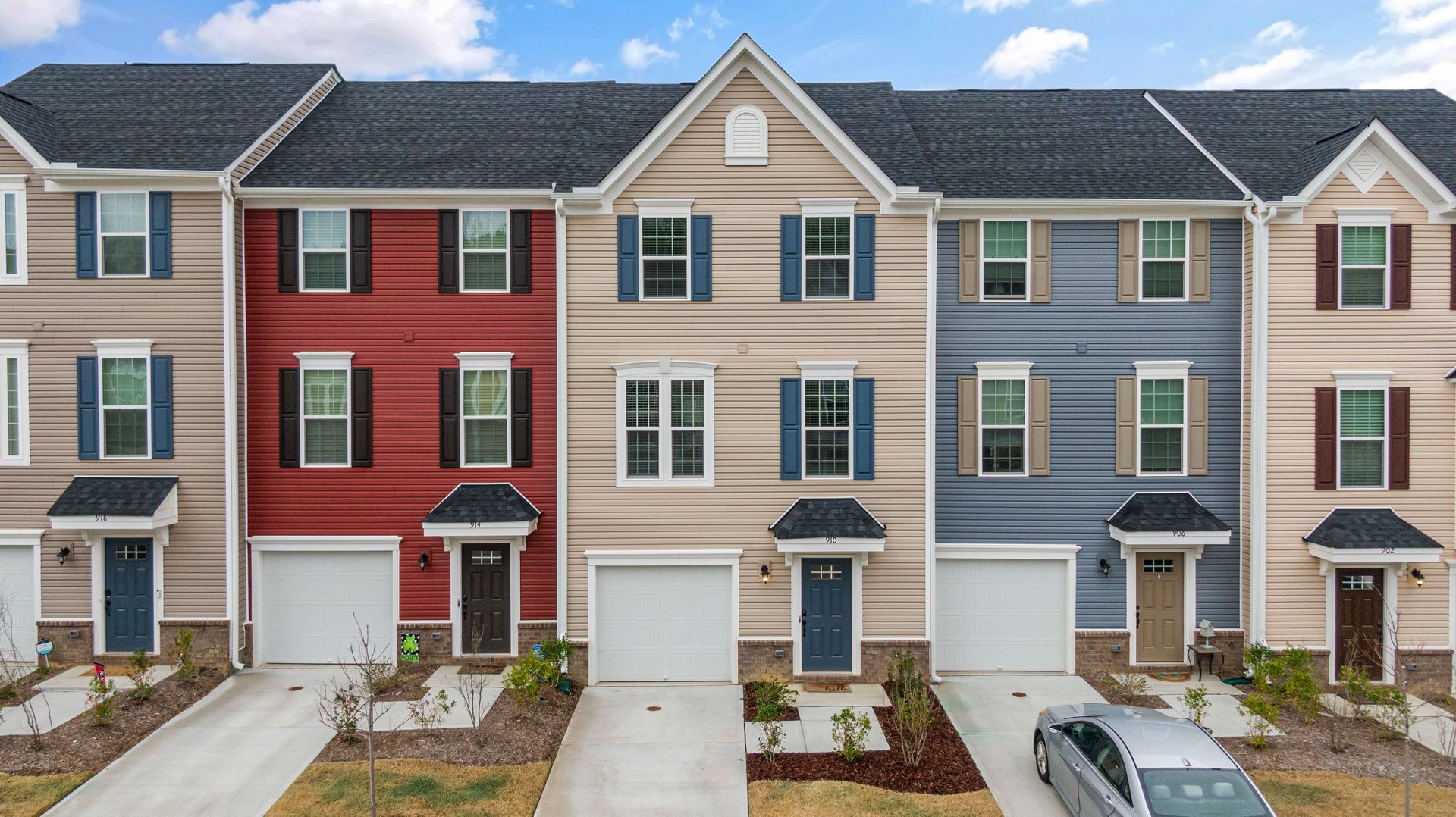
Families across South Carolina are increasingly skipping the resale market and building from the ground up. From Greenville to Charleston, and the fast-growing corridors around Columbia, new subdivisions are appearing where farmland and open lots used to sit. A mix of rising rent, a shortage of resale homes that actually fit a family's needs, and the appeal of something brand new has made building a serious option for buyers who once assumed it was out of reach.
South Carolina's appeal is obvious: mild winters, a lower cost of living than many neighboring states, and a steady stream of people relocating in from out of state. That popularity has a downside, though. Resale inventory gets snapped up fast, often with multiple offers, and families are tired of losing out on homes that needed compromises anyway. Building has become the workaround, and more South Carolina buyers are asking what it would actually take to get started.
Designing a Layout That Actually Fits Your Life
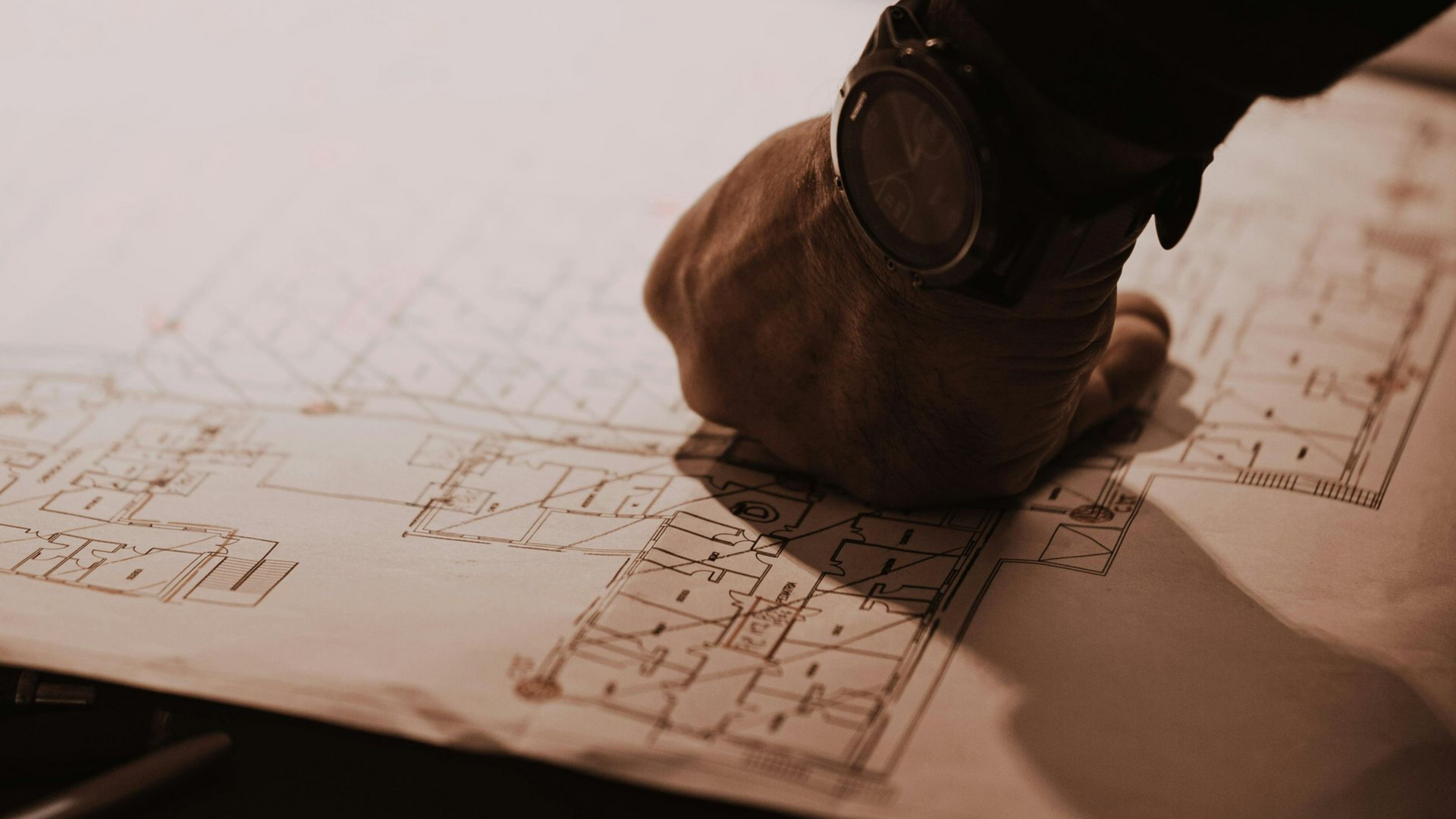
Buying an existing home means adapting to someone else's decisions, from the kitchen layout to the number of bathrooms upstairs. Building flips that entirely. Families can decide on a split floor plan, add a mudroom off the garage, or carve out a flex room for a growing family, choices a resale home rarely offers without a renovation.
Getting to that finished home starts with the right financing plan in place, and that's where Bob Fabian comes in. As a mortgage originator, Bob Fabian works with South Carolina families to map out how a construction loan actually functions before a single shovel goes into the ground, so there are no surprises once the build is underway.
Lower Utility Bills Built Right Into the Home
New construction in South Carolina comes with efficiency upgrades that older homes simply weren't built with. Modern insulation standards, tighter building envelopes, and updated HVAC systems all work together to keep energy bills down, which matters through both humid summers and the occasional cold snap.
Those savings aren't a onetime perk. They compound year after year, especially compared to an older home that's still running on decades old ductwork or single pane windows. For families weighing the true cost of ownership, an energy efficient new build often comes out ahead once utility costs are factored into the picture over time.
Finding Land While It's Still Within Reach
Outside the immediate Charleston and Greenville metro areas, land in South Carolina remains more attainable than in many parts of the country. Counties along the growth corridors, as well as areas further inland, continue to open up new lots as demand for single family construction increases.
Local municipalities have generally kept pace, adjusting zoning to accommodate new development rather than restrict it. That's translated into more available lots and more new communities taking shape across the state. Bob Fabian frequently reminds clients that if they already own land, its equity can often be applied directly toward a construction loan, which can meaningfully lower the amount of cash needed up front.
A Walkthrough of the Construction Timeline
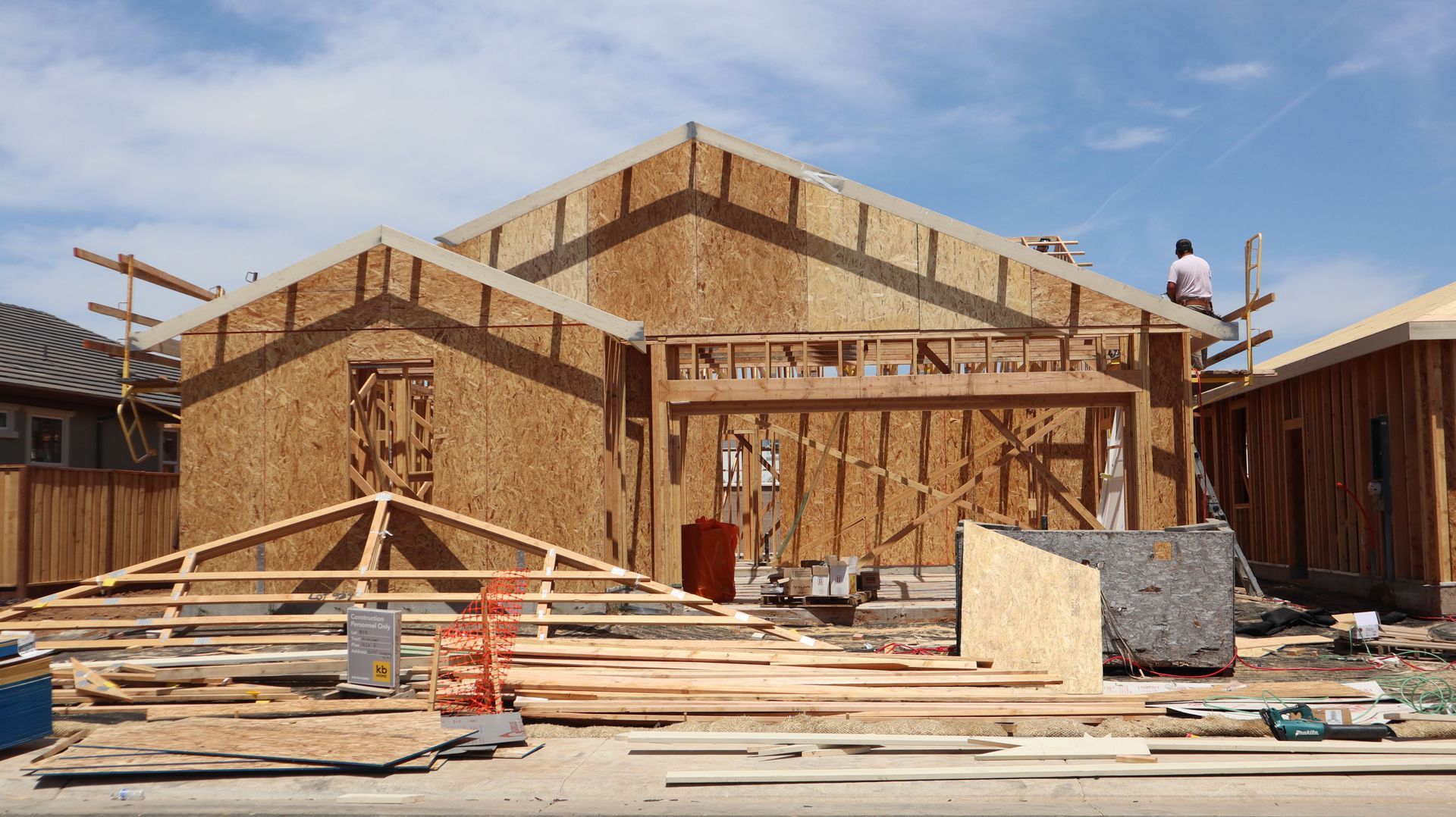
Most families who haven't built before aren't sure what actually happens between choosing a lot and getting the keys. It typically starts with securing land, either newly purchased or already owned, then moves into selecting a builder and finalizing floor plans before financing gets finalized.
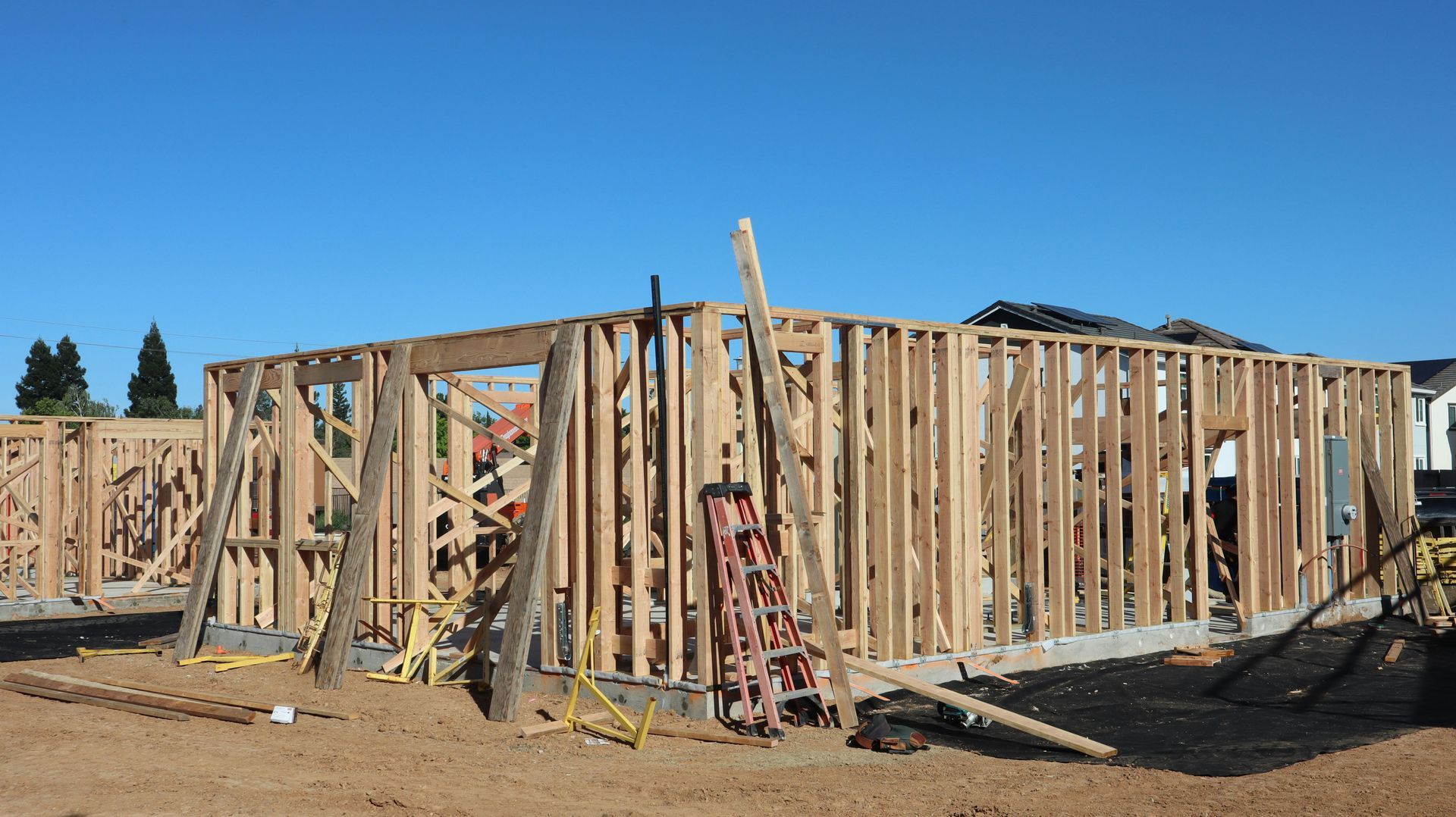
A single close construction loan is what keeps this process from turning into two separate transactions with two sets of closing costs. Bob Fabian structures these loans so the construction phase and the permanent mortgage are handled as one, walking clients through each draw as the home moves from foundation work to framing to drywall, and helping avoid the paperwork errors that can otherwise stall a project midstream.
While the builder is responsible for what happens on site, Bob Fabian is responsible for making sure funds are available and released correctly at each stage. Both roles matter, but they're not interchangeable, and Bob Fabian is quick to clarify that distinction with every client he works with.
What Life Looks Like Once You've Moved In
A new build isn't just a structure, it's the start of a new neighborhood dynamic. Because entire communities are often built out around the same time, new residents tend to move in together, which creates a natural opportunity to meet neighbors and start forming friendships before the moving boxes are even unpacked.
Touring a few developments in person, walking prospective lots, and getting a feel for a neighborhood's layout can go a long way before committing to one community over another. Whether that means staying close to Columbia, heading toward the coast near Myrtle Beach, or settling somewhere in the Upstate near Greenville, seeing it in person tends to make the decision easier.

Where to Begin the Process
For families ready to explore building in South Carolina, the smartest first move is understanding the financing side before getting attached to a specific lot or builder. Bob Fabian works with families throughout South Carolina guiding them through construction loans, land equity options, and the single close process from the very start.
From there, it's a matter of researching available communities, driving through a few target areas, and gathering information from builders directly. Once you're ready to talk through the financing details, reaching out by email or through the website is the easiest way to get moving. With the right team in place, including an experienced mortgage originator like Bob Fabian, building a home in South Carolina can go from an idea to moving day without unnecessary stress along the way.